
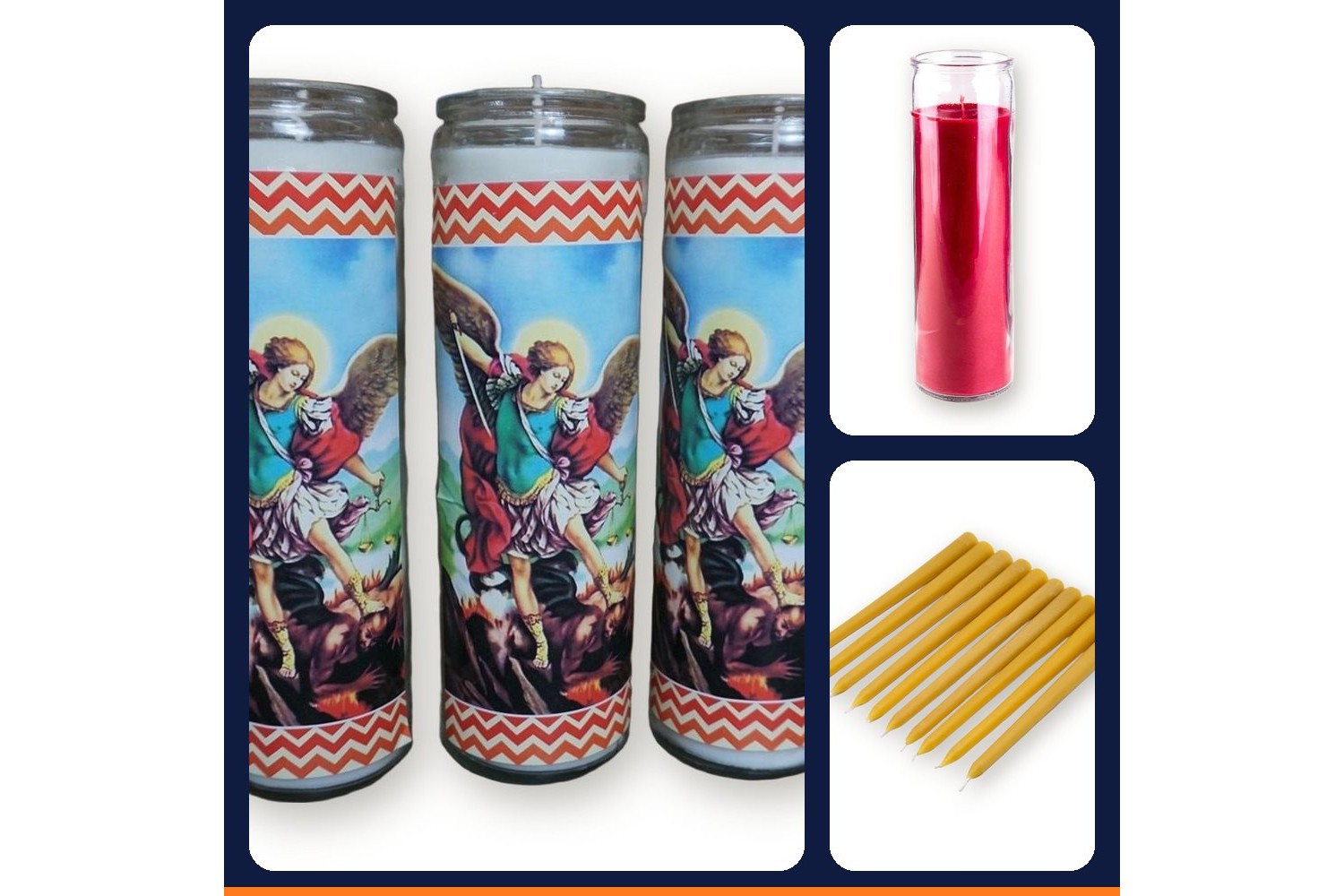
Your own brand of seasonal goods is not a separate collection for each holiday but a single name the customer meets on the shelf several times a year: on a Christmas set, on Easter decorations, on Halloween candles. It starts small – a logo and packaging on lines that already sell. The main difference from other niches is timing: a branded consignment has to be ready for a date that cannot be moved.
In brief
- Put under the brand the lines proven by at least one season and those that sell all year.
- There are three levels: a logo on a finished product, your own packaging, and production to your requirements (OEM/ODM).
- Branding lengthens the lead time: artwork and production are added to the usual 2–3 months.
- Packaging carries no year and no narrow theme – then leftovers sell in the next season.
- The name is checked and registered as a trade mark – with a national office or with the EUIPO for the whole EU.
Why a brand matters in seasonal goods
Seasonal goods are bought quickly and compared little: baubles, garlands and candles look alike from one seller to the next, and price decides. Your own packaging and name give the customer a reason to pick your line and come back for it a year later. On a marketplace such as Amazon or eBay it also means a listing of your own rather than one of many identical offers.
The second reason is gifting. Many seasonal purchases are given away, and the box is part of the product. A set in designed packaging sells as a ready-made gift; the same set in a clear bag sells as a consumable.
The third is business customers. Cafés, hotels, offices and event organisers reorder decorations, and it suits them to refer to a line by name and item number. A brand turns a one-off purchase into a repeatable one.
Which products suit your own brand
The best candidates are lines where the packaging is visible and influences the decision. The first is the advent calendar: it is essentially a box, and its design is the product. The shop fills it with a set of its own and gets a line the neighbours do not have.

Advent box with doors and drawers: packaging designed for the brand and filled with a set of your own.
LED candles are convenient to start with: they sell all year, do not depend on one date and come as sets in a box with room for a logo and a description. Leftovers of such a line carry over to the next season without loss.

Set of 6 rechargeable LED candles with remote: a year-round line that makes a convenient start for a brand.
Tabletop trees are bought as gifts and for offices; a branded box with a product photo turns them into a gift line in their own right.

Tabletop tree, 45 and 60 cm, with ornaments and lights: a product for a gift box under your name.
Small themed decorations – Easter decorations, Halloween props, hanging ornaments and tea lights – go under the brand as sets: one pack, one style, one listing instead of loose items.

Pumpkin and spider web LED tea lights: a small line that is easy to bundle into a branded Halloween set.
It is better not to start with lines sold for only one season, goods with a year in the design, or bulky items whose packaging is the shipping carton.
Three levels: logo, packaging, OEM/ODM
The first level is a logo on the finished product or its label. The method depends on the material: printing, engraving, embossing. This is the quickest option and a good way to test how customers respond to the name. Branding is available for more than 8,000 items in the catalogue; the terms are set out on the Private Label page.
The second level is your own packaging: a box, a sleeve, an insert, a label with marking for your market. In the seasonal niche it is the main one: the product inside can stay standard while the box changes the shelf and the listing. A practical approach is a neutral branded box with a changeable seasonal sleeve.
The third level is OEM/ODM, production to your requirements: your own colours, sizes, set contents and shape. Move to it once the brand is selling and it is clear what the standard lines lack. The lead time is the longest here and needs to go into the calendar early.
Name and trade mark
The name has to work in every season. A name tied to Christmas looks odd on Easter decorations, so choose a neutral word and signal the holiday through the design. Check that the name reads easily in the languages of your markets and is not taken: trade mark searches are open on the websites of the national office and the EUIPO.
Registration with a national office is valid in one country; with the EUIPO, across the EU. The classes of goods and the filing procedure are best discussed with a trade mark attorney. File before the name appears on the first consignment and in listings: marketplaces often ask for proof of rights to the brand.
Packaging and marking
Seasonal packaging has three jobs. The first is to sell: a photo or a window showing the product, the size, the power source, the number of pieces in the set. The second is to survive storage: sturdy board and a stackable shape, because part of the consignment will almost certainly sit until next year. The third is not to date: no year and no fashion of a single season.
Marking is mandatory whatever the design. Under the General Product Safety Regulation (GPSR), the product or its packaging carries the details of the manufacturer and of the responsible person in the EU. Illuminated items need CE and RoHS documentation and battery information; soft toys and goods intended for children's play need CE marking under toy safety rules. Agree the texts in the language of the country of sale, the warnings and the symbols at the artwork stage, and request certificates and declarations from the manager before payment.
From sample to consignment
- Sample. Choose the items and assess them in hand: a sample or a small trial consignment is available by agreement with the manager. A convenient start is wholesale registration and a request for a quotation.
- Artwork. Supply the logo as a vector file, the texts and the packaging requirements; the manager will confirm the application method and the minimum quantity for branding.
- Approval. Sign off the artwork and, where possible, a photo of the finished packaging. Check languages, marking and barcode.
- Production. Once the pro forma invoice is paid by bank transfer in EUR or PLN, the consignment goes into production.
- Inspection. Before dispatch the goods go through quality control: ask for the print, the packaging colour, completeness and the lighting to be checked.
- Delivery. After dispatch you receive a tracking number and documents; the delivery time is indicatively 20–60 days.
Count backwards from the display date: delivery, production, artwork approval. Work on an own-brand Christmas consignment starts in late spring; on an Easter one, in early autumn.
What the budget consists of, and typical mistakes
The budget consists of the goods, logo application, packaging design and printing, delivery calculated per consignment, trade mark registration, photography and storage of leftovers. Shared packaging for several lines pays off – the print run of each box is used up sooner.
- Starting the artwork when the goods should already be shipping: the consignment arrives after the holiday.
- Putting a year or a one-season joke on the box.
- Ordering a large run for a line not proven by sales.
- Choosing a name without checking the trade mark databases.
- Remembering the marking only after the packaging is printed.
Frequently asked questions
From what quantity is an own brand possible?
An order under your own brand starts at 5000 EUR – the manager states the details in the quotation. The general minimum order value for other items is 500 EUR net per item.
How many months ahead should branded holiday goods be ordered?
Ordinary seasonal goods are ordered 2–3 months ahead. Branding adds artwork and production, so the enquiry goes in earlier; the manager will give the lead time for your item.
Can one pack be used for different holidays?
Yes, if the base is neutral. The branded box is completed with a seasonal sleeve or sticker – that way the stock of packaging and goods is not tied to one date.
What should be done with branded leftovers after the season?
Store them until next year, provided the packaging carries no date: a dry place, labelled cartons, batteries kept separately. The remainder is counted into the next order.
Choose two or three proven lines in the section of goods for seasonal holiday shops and discuss the branding level and timing with the manager – you can write via the contact page. If the shop is still at the planning stage, start with the article on how to open a seasonal shop.
