
A phone accessory shop starts not with a display but with a list of the smartphone models your customers carry: cases and screen protectors, the model-specific part of the range, depend on it. The other part is universal products such as chargers, cables, power banks and holders, and these are easier to start with. Below is how to choose a format, build the first range and place an order without surplus stock.
In brief
- The range splits into model-specific items (cases, screen protectors) and universal ones (chargers, cables, power banks, stands); the universal share should be substantial at launch.
- The format, whether a kiosk in a shopping centre, a high-street shop, an online shop or a marketplace, determines the depth of the range and the size of the stock.
- Model-specific items are bought narrowly: for popular current smartphones, in small batches.
- Electronics and batteries need documents: CE, RoHS, battery rules. Request them before payment.
- Delivery takes an estimated 20–60 days, so orders for new models and the festive season are placed early.
The customer and the format
Accessory buyers rarely plan the purchase: the screen protector has cracked, the phone has died on the road, a new smartphone has been bought and a case is needed today. A physical outlet therefore lives on footfall and on solving the problem on the spot: choosing a protector, fitting it, testing a cable. A kiosk in a shopping centre can manage with a compact, fast-moving range.
In an online shop or on a marketplace such as Amazon or eBay, the buyer compares listings, and the precise description wins: compatibility with the model, wattage, cable length, what is in the box. A wide model line-up works here, but each item has to be managed separately, with photos and specifications.
The third channel is business customers. Companies buy chargers, stands and power banks for staff and as gifts with a logo, while repair workshops take screen protectors and cables for their own clients. They care about invoices, steady availability and consistent batches.
The starting range: core items and trial items
Screen and body protection. Screen protectors and films are a frequent purchase: they are replaced more often than the phone itself. Take the best-selling models and two or three types: clear, full-adhesive and privacy. Buy cases for the same models: clear and plain ones are the core, while patterned and textured ones are trial items.

Privacy glass: an obvious benefit for the buyer and an easy add-on sale alongside a case.
Power. Wall chargers, power banks and cables and adapters are not tied to a phone model, so leftover stock does not become obsolete when a new generation of smartphones arrives. The range needs cables of different lengths and connectors, chargers of several wattages and power banks in two or three capacities.

A power bank with a charge display in two capacities: a core item for the till area and for company orders.
Wireless chargers and three-in-one stations bring a higher basket value: people buy them for themselves and as gifts. A few models are enough at launch: a flat pad, a stand, and a station for phone, watch and earbuds.

A charging station for phone, watch and earbuds: a gift item that is easy to demonstrate switched on.
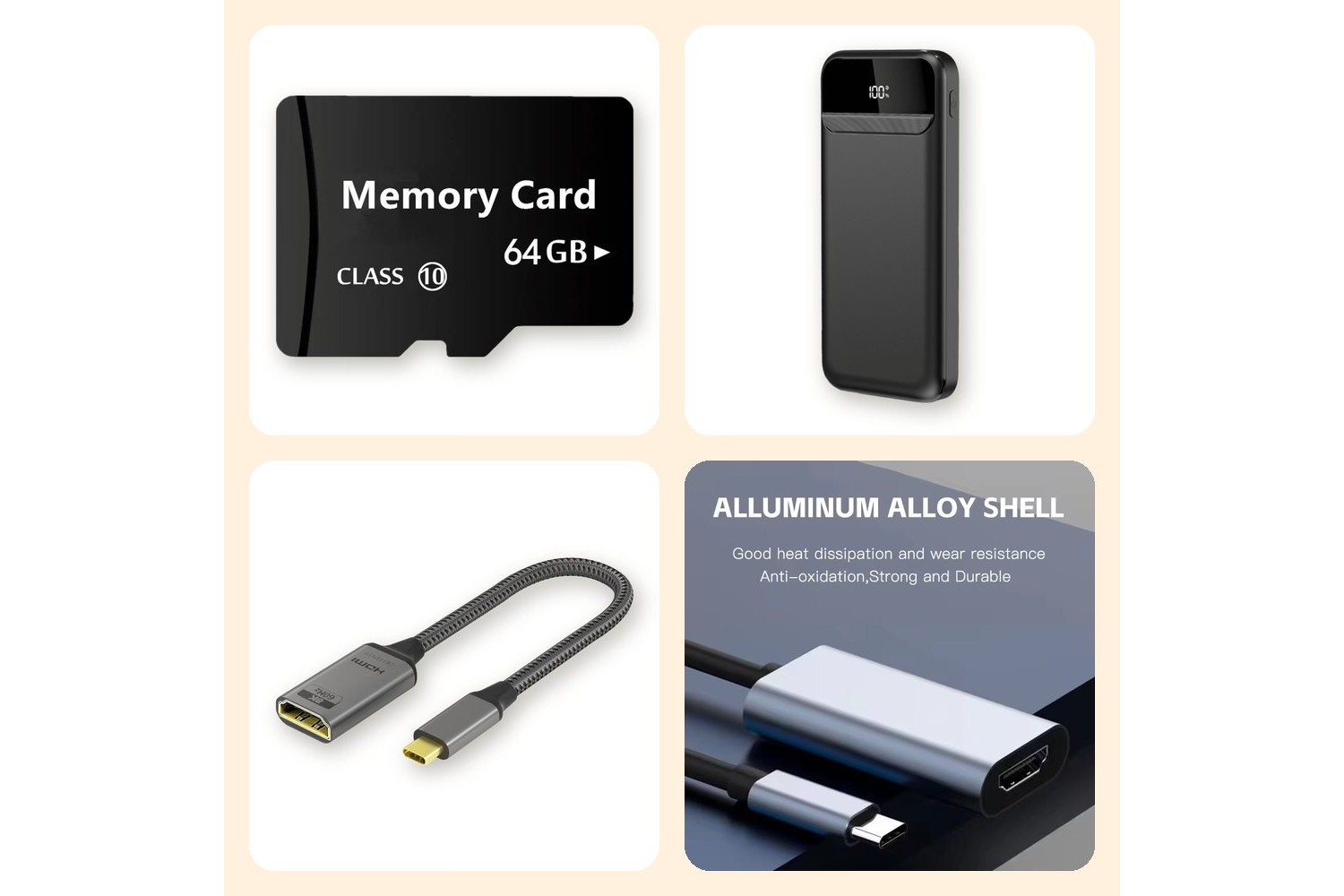
Impulse items: lanyards and straps, stands, car holders, selfie sticks, memory cards. They take up little space, work well near the till and give customers a reason to come back. A selection of best-sellers is collected in the article on top phone accessories for wholesale buying.

A three-in-one lanyard worn round the neck, across the body or on the wrist: a low-cost extra with a case.
What the start-up budget consists of
The amounts depend on the format and the number of models in the range, but the structure of stock costs is similar for everyone:
- the model-specific part: cases and protectors for the chosen list of smartphones;
- the universal part: chargers, cables, power banks, wireless stations;
- small accessories for the till area;
- delivery, the cost of which is calculated for the specific consignment;
- shop fittings: hooks, racks, a display case, consumables for fitting protectors;
- a reserve for reordering best-sellers and for new smartphone models.
Rent, registration, the till system and advertising are budgeted separately. A useful rule for the first order is not to buy the full breadth at once. It is better to take fewer lines with enough stock for several weeks of sales and keep money for reordering what has sold.
The supplier and the first order
EnjoyCommerce supplies goods to companies and sole traders in EU countries. The minimum order value is EUR 500 net, and many items have a minimum quantity of 1–10 pieces, so the first range can be assembled as a mixed order of dozens of lines.
- Read the buyer's guide and complete the wholesale registration: net prices by volume tier become visible afterwards.
- Draw up a list: phone model, product type, colour, quantity. Send the enquiry, and a manager will prepare a quotation and calculate delivery for the consignment.
- Approve the quotation and receive a pro forma invoice. Payment is by bank transfer in EUR or PLN.
- The goods are shipped or produced and undergo a quality check before dispatch.
- After dispatch you receive a tracking number and documents. Build the delivery times and terms into the launch plan: allow 20–60 days.
Invoices are issued by a Polish company with an EU VAT number. For EU companies with a valid EU VAT number, an intra-Community supply (reverse charge) is possible; your accountant will advise how to record it.
Documents and product requirements
Business registration, taxes and retail rules depend on the country, so check them with an accountant or the local authority. Product requirements are common across the EU. Chargers, power banks, wireless stations and other electronics must carry the CE marking and comply with RoHS, and products containing batteries are subject to separate EU battery rules. Request certificates and declarations from the manager before payment, not after the consignment arrives.
Under the General Product Safety Regulation (GPSR), the product or packaging must show the details of the manufacturer and the responsible person in the EU; this applies to cases and lanyards as well. Other companies' trade marks are a separate matter: stating in the description which model a product is compatible with is acceptable, but placing smartphone makers' logos on the product or packaging is not.
Seasonality and the buying calendar
The niche has two rhythms. The first is the launch of new smartphones: cases and protectors for them are sought from the first days of sales, while demand for accessories for older models gradually declines. Follow the announcements and ask the manager in advance when items for the new models will appear.
The second rhythm follows the calendar. Before the winter holidays, demand grows for gifts: wireless stations, power banks, sets. Seasonal goods are ordered 2–3 months ahead, so the festive consignment is placed in early autumn. For summer, stock what people take on trips: power banks, waterproof pouches, selfie sticks, bike and car holders; that order goes out in early spring.
Common mistakes at the start
- Buying cases for dozens of models at once: the rare ones sit on the shelf while there is no money left for the best-sellers.
- Holding a large stock of model-specific goods just before a new generation of smartphones is released.
- Not requesting documents for electronics and discovering they are missing at the first inspection or complaint.
- Leaving exact compatibility out of the listing, which is the main source of returns in online sales.
- Placing the festive order in November and receiving the goods after the season.
Frequently asked questions
What is the smallest amount needed to start buying?
The minimum order value is EUR 500 net. It can be a mixed consignment: many items have a minimum quantity of 1–10 pieces, so a small outlet can assemble its starting range in one order and test demand without a large stockroom.
Which phone models should cases and protectors be bought for?
Those most common among your customers. Offline this becomes clear from requests in the first weeks; online, from search queries on the platform. Start with a short list of mass-market models and expand it according to actual sales.
Which documents are needed for chargers and power banks?
Documents confirming the CE marking and RoHS compliance and, for products with batteries, information on compliance with EU battery rules. The manufacturer provides them on request; ask the manager to send them before payment.
Can accessories be sold under an own brand?
Yes. Many items can carry a logo, and branded packaging and market-specific labelling are available. Branding extends the lead time by the artwork and production stage, so it is planned in advance.
Draw up the list of models, split the range into model-specific and universal parts and choose items in the section of products for phone accessory shops. Once it is clear which products sell steadily, it makes sense to release them under your own name; that is covered in the article on building your own phone accessory brand.
