
Your own online store starts not with a website but with one product where it is clear who needs it and why. DTC (direct-to-consumer) means selling straight to the customer through your own storefront, with no platform in between: you win the customer, pack the order and handle the return yourself. In exchange you get what a marketplace does not give you – contact with the customer and repeat purchases. Below: how to choose a product, test it with a small batch and build the order journey from storefront to return.
In brief
- Start with a narrow niche and one or two hero products, not an “everything for everyone” catalogue.
- Demand is tested with a trial batch: the minimum order value is 500 EUR net, and many items have a minimum batch of 1–10 pieces.
- Packaging is part of the product: in your own channel the customer first meets the brand when unboxing.
- Returns and the right of withdrawal in distance selling are built into the process and the price before the first order.
- Delivery takes roughly 20–60 days, so stock and reorders are planned ahead.
Customer and format
In your own channel the customer does not simply turn up, as on Amazon or Etsy: advertising, social media, a newsletter or a recommendation brings them. So the first question is not “what to sell” but “who can I show it to, and where”. It is easier to start where you already have an audience or know the people well: a hobby, a profession, a local community, a themed blog.
There are three formats. A single-product store is built around one product and its variants: easy to explain and advertise, but dependent on one item. A niche store brings together several product groups for one audience – for example, clothing and accessories for a particular hobby. The third format is a store attached to a community or creator: merchandise, characters, gift sets. Technically, all of this is built on an e-commerce platform such as Shopify or on your own CMS; the platform affects convenience but replaces neither the product nor the traffic. A marketplace can be added later – as an extra channel, not the main one.
Starting range
Your own storefront suits products that are easy to tell apart from the rest: printed, built around a character, made to your own design or put together as a set. Anything the customer can find in identical form in ten shops has to be sold on price. Ideas by group are in the selection “Which wholesale products to choose for launching a Shopify store and DTC brand”.
Printed clothing. The usual way in for a niche store: one model, a few colours, your own artwork. The core is T-shirts in calm colours; as a trial, hoodies for the cold season. A size run increases stock and the share of returns, so start with a small number of models.
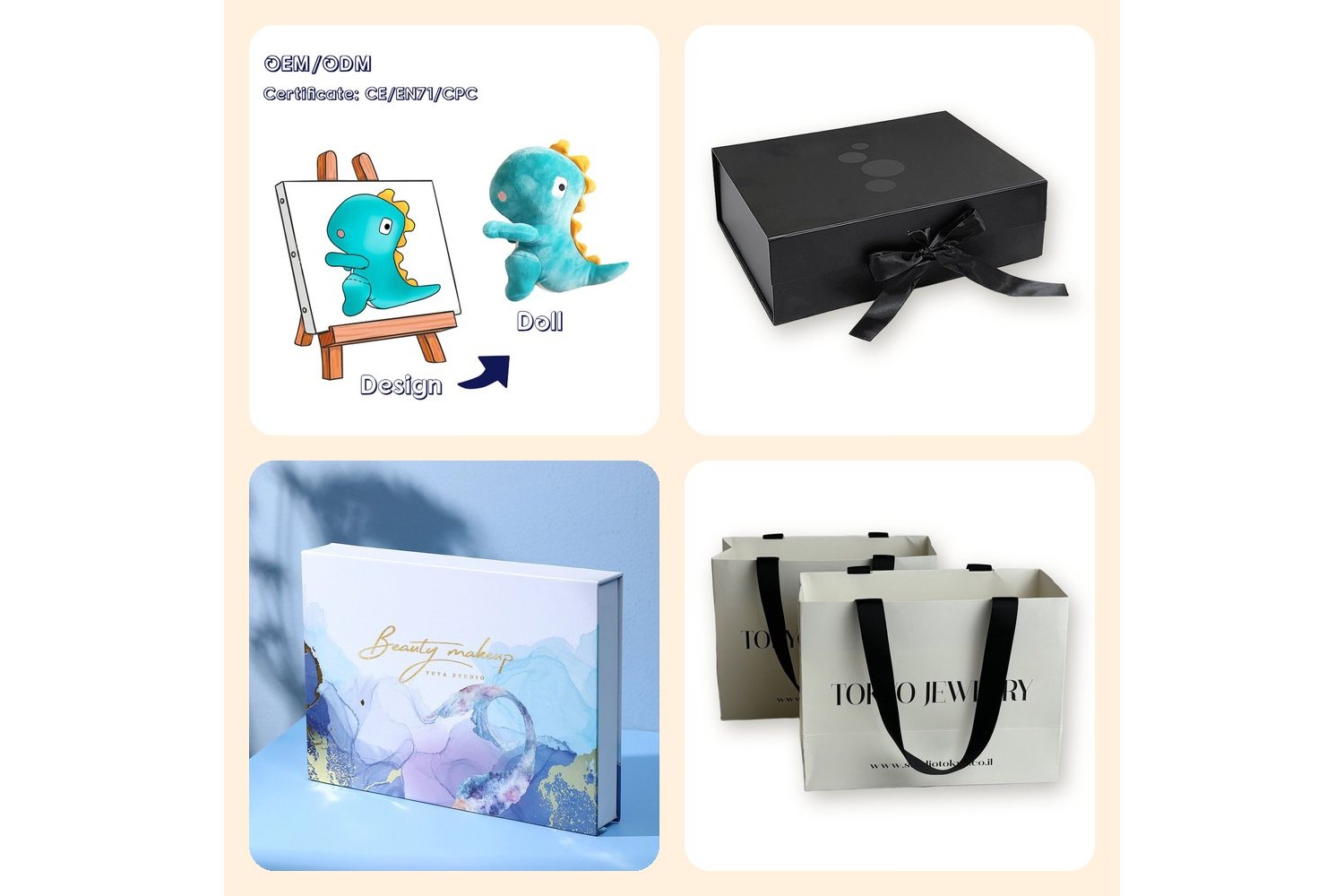
A product made to your own design. A community character or the mascot of a blog or project is sold only by you – the strongest argument for your own channel.

A mascot made from your own drawing is a product no competitor has and nobody can compare on price.
Sizes and versions are in the “Mascots” category.
Packaging and inserts. They are not sold separately, but the first purchase is incomplete without them: a shipping box, filler, a pouch, an insert with a thank-you note and return terms.

A corrugated mailer box with your logo protects the order in transit and is the first to introduce the brand.
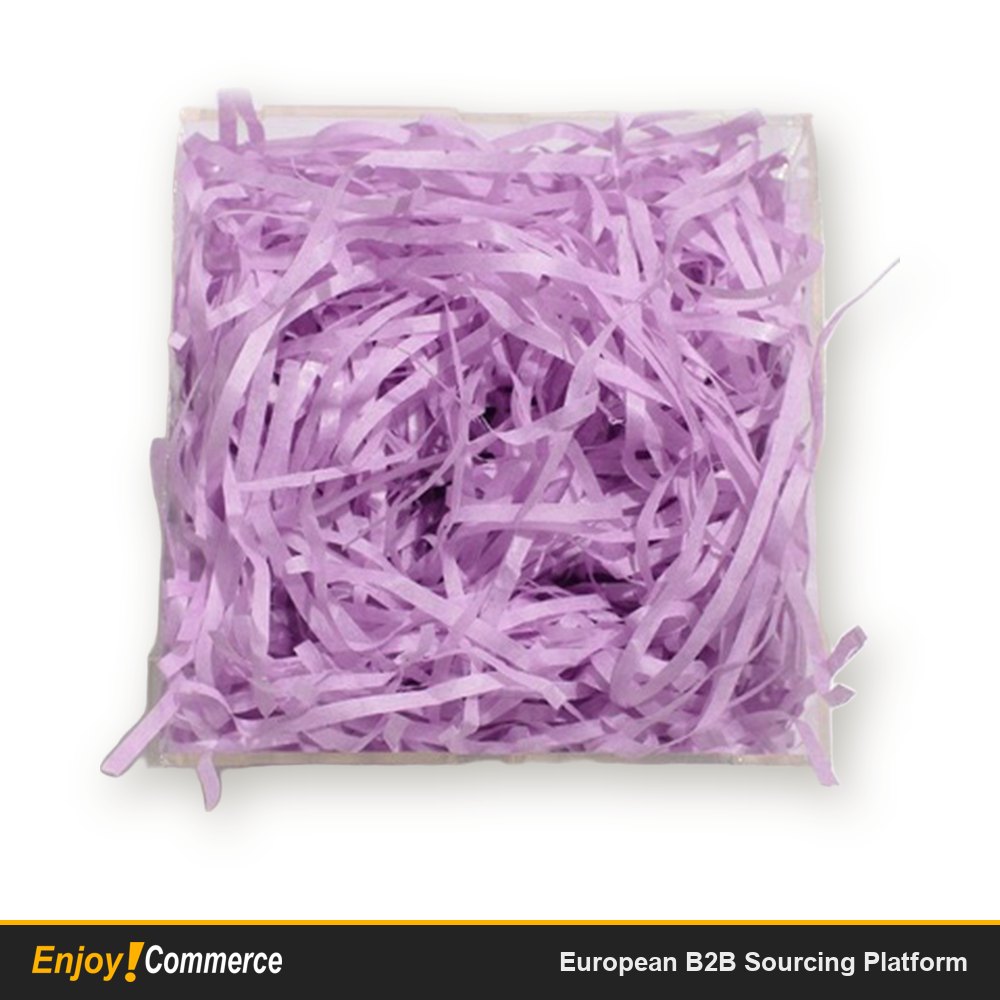
Shredded paper filler holds the product in place and keeps unboxing neat without plastic.

A cotton drawstring pouch turns a small product into a gift, and the customer reuses it.
Small items ship well in textile packaging from the “Pouches” category.
The split of the first purchase is simple: most of the sum goes on one or two hero products in the best-selling variants, a smaller part on trial items that show where to expand the storefront.
What the starting budget consists of
The amounts depend on the country and niche, but the items are similar for everyone:
- business registration, a bank account, online payment acceptance – under your country’s rules;
- the storefront: platform or development, domain, design, copy in the customer’s language;
- content: product photos and video – online they replace the shelf;
- the test batch and its delivery, which is quoted per shipment;
- packaging and consumables for shipping orders;
- customer acquisition: advertising, work with creators, newsletters – an ongoing cost, not a one-off;
- a reserve for returns, exchanges and reorders of best-sellers.
The main difference from a marketplace is that you buy the traffic yourself. Do not put everything into stock: without an acquisition budget nobody will see it.
Supplier and first purchase
- Complete the wholesale buyer registration: it opens net prices by volume tier.
- List the items, variants and quantities for the test and send a request for quotation. How ordering works is explained in the buyer’s guide.
- The manager prepares a commercial offer: prices, lead time and delivery cost for your shipment. A sample or a small trial batch is arranged by agreement with the manager.
- Agree the contents, receive the pro forma invoice and pay by bank transfer in EUR or PLN.
- The goods are shipped or produced; before dispatch they go through quality control.
- You receive a tracking number and documents. The indicative lead time is 20–60 days; the terms are set out on the delivery page.
Invoices are issued by a Polish company (EU VAT); for EU companies with a valid EU VAT number, intra-Community supply under the reverse charge is possible.
Documents, returns and product requirements
Business registration, taxes and VAT on sales to other EU countries depend on the country – check with your accountant. The store itself falls under distance selling rules: the site must show the seller’s details, terms of sale and delivery, the returns procedure and a privacy policy. A consumer in the EU has the right to withdraw from a distance purchase without giving a reason; the general period is 14 days. Exceptions (for example, made-to-order items), the form of notice and who pays for return postage are set by the rules of the buyer’s country.
The product requirements are as follows. Under the EU General Product Safety Regulation, the item or its packaging carries the details of the manufacturer and the responsible person in the EU, and the same information is shown in the product listing. Clothing needs the fibre composition in the language of the country of sale; toys, electronics and other categories covered need CE marking. In some countries a seller shipping packaged orders must register with a packaging waste scheme. Request certificates and declarations from the manager before payment.
A return is a process, not an exception. Decide in advance where the customer sends the goods, who checks them, what happens to opened packaging and how quickly the money is refunded.
Seasonality and purchasing calendar
In your own channel the calendar is set not by shelves but by occasions: the gift season in November and December, spring holidays, summer breaks, back to school. Seasonal goods and gift packaging are ordered 2–3 months before the peak; if you need a logo on the box or the product, add time for artwork and production. It is best to receive the test batch in a quiet period, so that by the peak you know which variants to reorder. Advertising and newsletters are planned from the arrival date of the goods, not the other way round.
Typical mistakes at the start
- Building an expensive store before the product is tested: test first, then invest in the storefront.
- Taking a wide range with no hero product – advertising has nothing to focus on.
- Pricing without packaging, delivery to the customer, returns and acquisition cost.
- Saving on photos: the customer cannot pick the product up.
- Ignoring lead time when reordering and running out of stock at the peak.
- Selling items with other companies’ logos and characters without a licence.
Frequently asked questions
Do you need a warehouse to start?
No. A test batch fits at home or in a small storeroom. When orders grow, storage, packing and shipping can be handed to a fulfilment provider.
How many products do you need to launch?
One or two hero products in a few variants are enough. Small minimum batches let you add trial items within the same order value and compare demand.
Can you sell to several EU countries straight away?
Technically yes, but each country needs copy in its language and clear delivery and returns, and tax obligations are worth discussing with an accountant. It is more sensible to get one country running smoothly and then add others.
When should you move to your own brand?
When the test shows that the product sells and customers come back for it. The first step is a logo on the packaging and hang tag, the next is on the product itself.
Start small: choose one product, put together a test batch with packaging in the “Shopify / DTC brands” section and check demand on real orders. Once repeat purchases appear, it is time to build the brand – see the article “How to build your own DTC brand”.
