
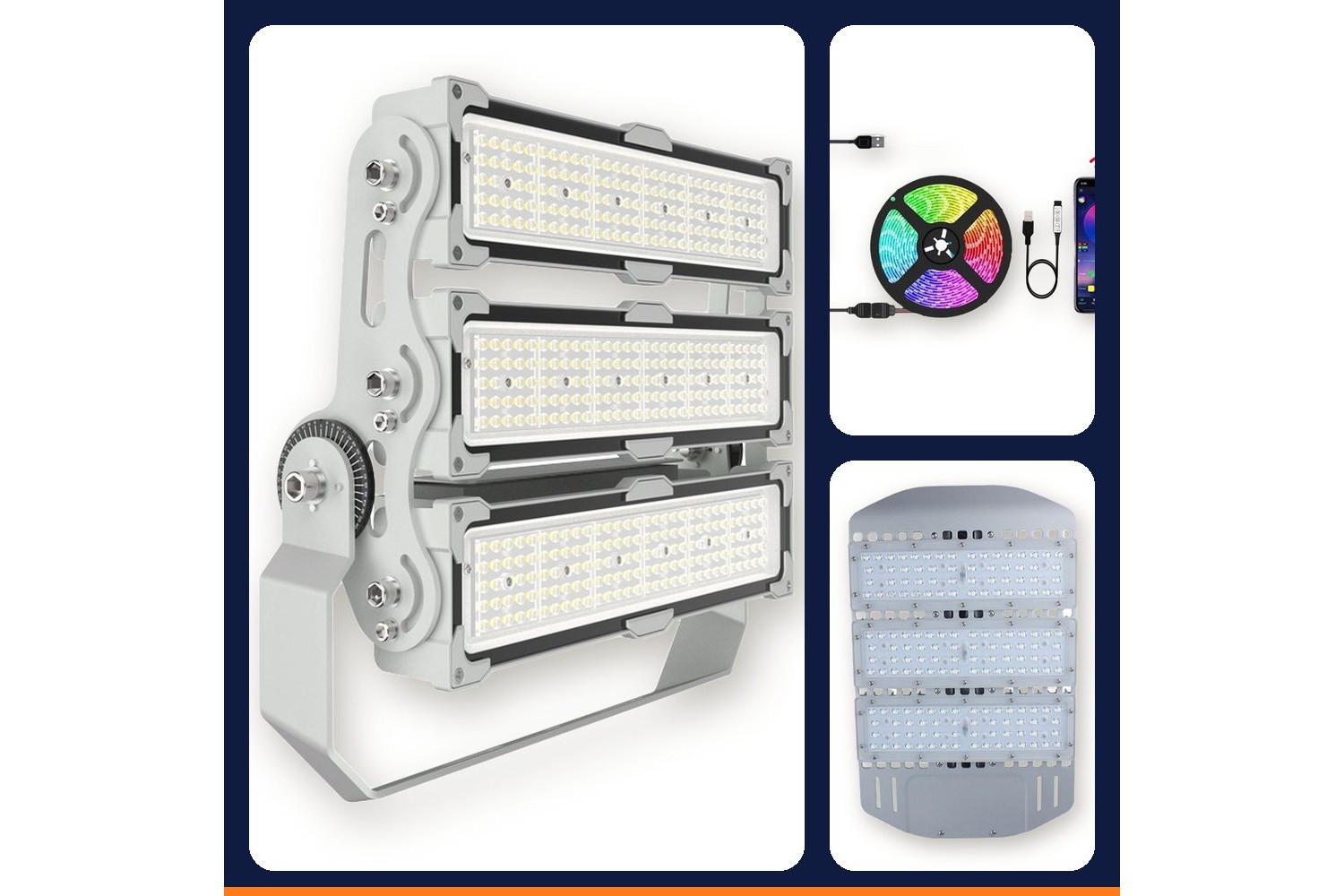
Your own LED lighting brand is built around a narrow line: decorative strips for the home, for example, or solar lights for the garden. You can start without developing anything yourself, using ready-made models that take a logo and packaging in your style. Below is which products to choose for the brand, how the three levels of branding differ and what to check before the batch goes into production.
In brief
- A brand is launched on one product group with a clear use: backlighting, garden, decorative candles.
- In lighting, a brand is above all packaging and honest specifications: the box sells more than the logo on the housing.
- The levels: a logo on a finished product, own packaging and labelling, and OEM/ODM with changes to the product.
- The name is checked and registered as a trade mark, at a national office or at the EUIPO.
- The brand owner needs the product documents: CE, RoHS, the details for the packaging. Request them before payment.
Why a brand matters in this niche
A light that is switched off says little about itself: two floodlights of the same wattage look identical, and the difference, how it shines, how it copes with rain, how long it runs on its battery, is discovered only after purchase. That is why a name that can be trusted is valued in lighting: if a strip has lasted a season without complaints, the buyer returns to the same brand for the next one.
The second argument is repeat and multiple purchases. Light is bought in series: a path is lit with a dozen identical lights, candles are topped up for the holidays, a second strip is bought for another room. A brand with a stable line helps the buyer find the same model with the same shade of light six months later.
The third is work with professionals. Installers and small contractors find it easier to recommend a product with a name, a reference number and a technical description than a nameless one. For you this is a sales channel that depends less on the price race on a marketplace.
Which products in the niche suit an own brand
Choose a group with a clear use and room for packaging that explains that use.
LED strips: kits of strip, controller and remote in a box with your design. The brand gives the kits clear names: for the television, for the kitchen, for a room.

A flexible neon strip with remote and app: an eye-catching product for a decorative own-brand line.
LED candles are a gift and interior product where the design of the box decides almost everything. They sell conveniently in sets and fit seasonal collections.

Flameless flickering candles: the basis of an interior series in branded gift packaging.
Solar lights form a garden line: path, steps, fence, plant lighting. A consistent packaging style turns different models into a series.

A solar wall light for fences and steps: bought several at a time and convenient to sell in sets.
Technical light, meaning floodlights and street lights, makes sense under a brand for sellers who work with contractors and sites.

A street light with a motion sensor: an item for a project line under the supplier's brand.
Three levels: logo, packaging, OEM/ODM
A logo on a finished product. It is applied to the housing, the remote or the power supply by printing or engraving, depending on the material. The product remains a standard one, so preparation is short. On the platform, branding is available for more than 8,000 items; the terms are described in the private label section.
Own packaging and labelling. A box with a photo of the light, specification icons, an installation diagram and texts in the languages of your markets, plus instructions with your contact details. For lighting this is the most effective level: it is the packaging that explains what the buyer will get on switching the product on.
OEM/ODM. Changes to the product itself: colour temperature, strip length and kit contents, housing colour, plug type, fixings included. Working on an OEM/ODM basis requires a specification and a larger batch, but yields a product that other sellers do not have.
The name and the trade mark
A good name for lighting is short, reads the same in your buyers' languages and is not built on words such as "LED" or "light": such names are hard to tell apart and hard to protect. Make sure the name is free: look at trade mark registers, marketplace search results and domains. Protection comes from registration, at a national office if you sell in one country or at the EUIPO for the whole EU at once. A trade mark attorney will advise which classes to choose and how to word the list of goods. Print the packaging after checking the name, not before.
Packaging and labelling
For electrical goods, packaging also carries mandatory information. The product or box must show the CE marking, the model or reference number, and the details of the manufacturer and the responsible person in the EU under the General Product Safety Regulation (GPSR). The product must comply with RoHS, and goods with batteries, such as solar lights and rechargeable candles, with EU battery requirements. The basis for the labelling is the manufacturer's documents: request them from the manager before payment and keep them on file.
The promotional part of the packaging must match the actual specifications. State what is confirmed by the documents and the sample: wattage, luminous flux, colour temperature, IP rating, running time. Inflated figures on the box lead straight to returns and claims against the brand owner.
From sample to batch
- Sample. Agree a sample or a small trial batch with the manager. Switch the product on several evenings running: assess the shade and evenness of the light, heat, and how the sensor and remote work.
- Specification. Record the model, parameters, kit contents and exactly what is branded: housing, remote, box, instructions.
- Artwork. Supply the logo in vector format and the box design; in return you receive a print proof and the packaging layout.
- Approval and payment. Check the texts and mandatory marks, approve the artwork and pay the pro forma invoice.
- Production and inspection. The batch is manufactured and undergoes quality control before dispatch; ask for the light output, the print and completeness to be checked.
- Delivery. You receive a tracking number and documents. The terms are set out on the page about delivery; the estimated time is 20–60 days, plus the time for artwork and production.
What the budget consists of and common mistakes
The calculation includes the batch of goods, logo application, design and printing of packaging and instructions, samples, delivery, trade mark registration and photography: light has to be shown in the dark and in a room. Add a reserve for quality queries; a brand that quickly resolves a problem with a faulty product earns good reviews.
The most common mistakes:
- starting with technical light without experience of working with contractors;
- copying specifications from a description without checking them on the sample;
- producing an attractive box without the mandatory labelling;
- choosing a descriptive name that cannot be registered;
- ordering a garden line in spring: allowing for artwork, the batch arrives at the end of the season;
- spreading the budget over five groups instead of one series.
Frequently asked questions
Can a logo be applied to any model in the catalogue?
Branding is available for more than 8,000 items, but the method and minimum batch depend on the product. The manager will confirm the option for a specific model in reply to an enquiry.
Who is responsible for a product under my brand?
To the buyer and the platform, you are, as brand owner and seller. That is why the manufacturer's declarations and certificates must be obtained before payment and the details on the packaging checked against them. Ask a lawyer in your country about the exact scope of your obligations.
When should a branded seasonal batch be ordered?
Earlier than ordinary seasonal goods. Add the time for the sample, artwork and production to the "2–3 months ahead" rule. It is sensible to plan a garden series from autumn and a festive one from early summer.
Where to start on a limited budget?
With one group and the first level: a logo on a finished product. The minimum order value is EUR 500 net. Once the series starts selling, move on to your own packaging.
Decide on one series, arrange samples and check the name. Models for the line are in the section of products for LED lighting shops, prices are visible after wholesale buyer registration, and branding terms can be discussed with a manager: write to us. How to set up the shop itself and the buying calendar is covered in the article on opening an LED lighting shop.
