
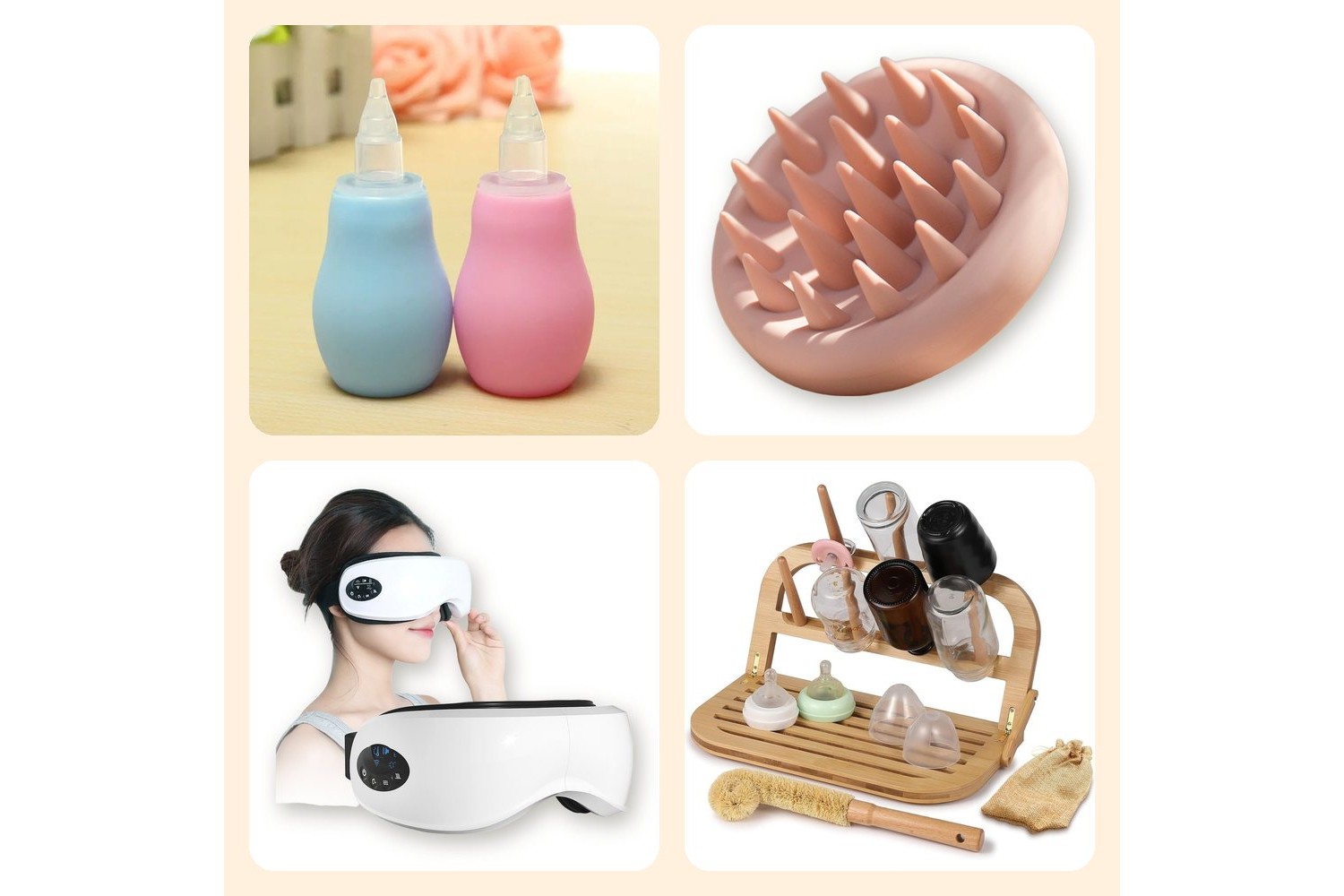
First, the boundaries. Opening a pharmacy and selling medicines are strictly licensed: you need an authorisation, compliant premises and a pharmacist, under the rules of your country, and this article does not replace them. It covers the other part of the shelf, the one without medicines: hygiene, personal care, products for mothers and children, home devices and accessories. That range can be run by an existing pharmacy or by a separate health and care shop that stocks no medicines. Below: how to build the shelf, what the budget consists of and how to place the first order.
In brief
- Medicines, food supplements and cosmetic formulations are outside the scope: this is about complementary products only.
- The range rests on four groups: baby hygiene, feeding, care and massage, and home devices.
- Medical devices (blood pressure monitors, thermometers) are a separate regulated category: request the documents before payment.
- Price tags and descriptions must carry no therapeutic promises: describe the product by purpose and material.
- The minimum order value is 500 EUR net, and many items start from 1–10 pieces.
Customer and format
There are three types of customer. Parents of young children come in for one item and readily take a second if it sits nearby and needs no explanation. Adults buy for themselves and for older relatives: care tools, massagers, home devices. The third type is looking for a useful gift and values neat packaging.
The formats differ in their rules. An existing pharmacy adds a non-medicine shelf to its core offer, but first check what a pharmacy is allowed to sell in your country: the list may be restricted. A health and care shop operates without medicines; ask the local authority which registrations it needs. An online shop and marketplaces such as Amazon or eBay suit light, unbreakable goods but call for especially careful wording: no “treats” and no “helps against”. The fourth channel is supplying nurseries, salons and massage practices.
Starting range
In each group, separate the core – what sells regularly – from trial items. What such outlets usually choose is covered in the selection “Complementary range for pharmacies”.
Baby hygiene. The core is simple silicone items for daily care: nasal aspirators, finger toothbrushes, bath sponges. They are inexpensive, take little space and sell well from a hook by the till. Aspirators are in the category “Nose cleaning products”, brushes in the category “Toothbrushes”.

A simple silicone bulb aspirator in three colours – an inexpensive core item for the baby shelf.

A finger toothbrush in a case: hygienic packaging matters for goods picked from an open display.
Feeding. Sippy cups, suction plates, bibs, bottle drying racks. The core is cups and bibs in neutral colours; sets and bulkier accessories are for trial. See the category “Children’s cups”.
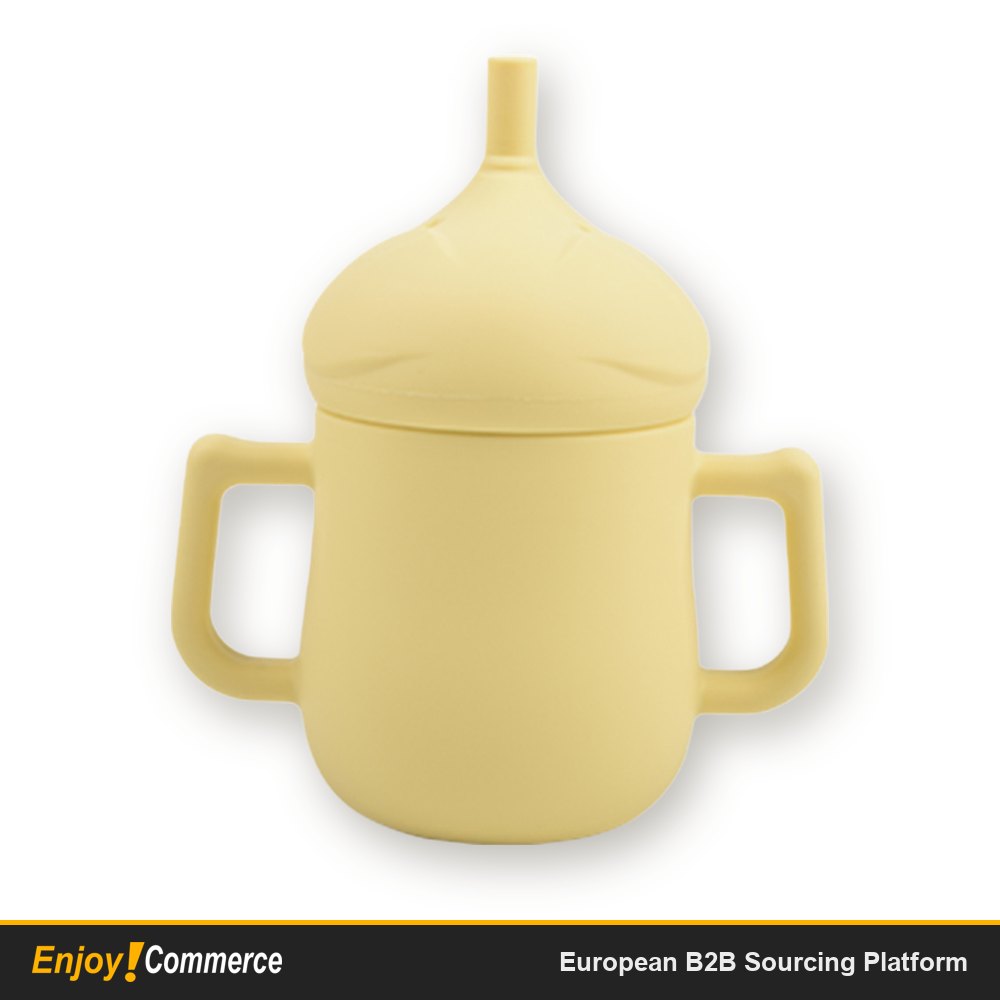
A 150 ml silicone sippy cup with a straw – stands out on the shelf and is also bought as a gift.
Care and massage. Massage brushes, rollers, compact massagers. These are impulse and gift purchases; describe them as items for care and relaxation, not as a remedy. The choice is in the category “Massagers”.

A silicone scalp brush in four colours – an inexpensive impulse buy for the hair care area.
Home devices. Blood pressure monitors, thermometers and similar items are what customers expect to find in a pharmacy, but they are medical devices, a category with its own requirements (see the section on documents). Take them on trial, in a few models and only with a full set of documents. The items are in the category “Medical devices”.
For the first order, take more core and less trial, and plan colour depth only where colour affects the choice, in children’s products. Plan the display together with the order: small items on hooks and a till-side stand, children’s products in one block at eye level, devices in a closed cabinet next to the counter.
What the starting budget consists of
The amounts depend on country and format; the cost items are the same:
- business registration, a till and, for a pharmacy, licensing under national rules;
- fitting out the area: shelving, hooks, a till-side stand, price tags;
- for the online channel: a website or marketplace account, photography, packaging;
- the first batch of goods and delivery, which is quoted per shipment;
- translation of labels and instructions into the language of the country of sale;
- a reserve for reordering fast-moving items.
If the shelf is added to a working pharmacy, the goods themselves are the main item: premises and staff are already there.
Supplier and first order
- Complete the wholesale buyer registration; after that you see net prices by volume tier.
- Put together a list of items and quantities and send a request; the process is described in the buyer’s guide.
- The manager sends a quotation with prices, lead time and delivery cost. Request the product documents at this step.
- Once agreed: a pro forma invoice and payment by bank transfer in EUR or PLN.
- The goods are shipped or produced; before dispatch they go through quality control.
- You receive a tracking number and the documents. The indicative delivery time is 20–60 days.
Invoices are issued by a Polish company; EU businesses with a valid EU VAT number can use intra-Community supply under the reverse charge.
Documents and product requirements
Requirements depend on the group. Blood pressure monitors, thermometers and other medical devices may be sold in the EU only with CE marking specifically for medical devices, a declaration of conformity and instructions in the language of the country of sale. Depending on the purpose stated by the manufacturer, some simple items such as nasal aspirators may fall into the same category, so check the status of each item. Cups, plates and spoons are covered by EU rules on food contact materials; powered and rechargeable devices are subject to the requirements for electronics and batteries.
Under the EU General Product Safety Regulation, the product or its packaging must show the details of the manufacturer and of the responsible person in the EU. Request the documents from the manager before payment, not after the batch arrives. And a separate rule: do not attribute a therapeutic effect to a product, either on the price tag or in the online listing.
Seasonality and purchasing calendar
Children’s products sell evenly all year. In autumn and winter, interest grows in nasal hygiene items and home devices; in December, massagers and sets are bought as gifts; before summer, travel formats are needed: cases and compact care tools. Seasonal goods are ordered 2–3 months ahead: gift items in September, the autumn range in early summer. Core items are reordered by stock level, allowing for the delivery time. A simple calendar helps: the start of the season minus the delivery time and the time needed to agree the order.
Typical mistakes at the start
- Ordering devices without documents and checking their status once the batch is in the stockroom.
- Stating on price tags and in descriptions that a product treats or prevents an illness.
- Taking many different groups with one piece each: the shelf looks random.
- Putting small items on the bottom shelf instead of on hooks by the till.
- Forgetting instructions and labelling in the customer’s language.
Frequently asked questions
Is a licence needed if you sell only complementary products?
A pharmacy licence concerns medicines. Which registrations a shop without medicines needs, and whether special rules apply to particular product groups, depends on the country: ask the local authority or your accountant.
Can blood pressure monitors and thermometers be sold outside a pharmacy?
The rules for selling medical devices are set by each country. In any case the device must carry CE marking for medical devices and have its documents: request them before payment.
How many items should the first order include?
A few items in each of three or four groups are enough. Low minimum quantities let you test more products for the same order value.
How should a product be described without breaking the rules?
State the purpose, material, size and the age the item is designed for. Leave claims about treatment and prevention to medicines.
Start with two or three groups and put together a request in the section “Pharmacies”. Once the shelf sells steadily, the next step is an own brand on complementary products, covered in the article “How to create a pharmacy own brand”.
