
What makes farm supply distinctive
A farm buys goods not on the principle of what is fashionable but on the principle of what is needed for a specific cycle of work — supply here is tied to the season, the type of crop or the livestock, and the range has to cover the real everyday needs of the farm rather than look good on a shelf.
Agricultural hand tools
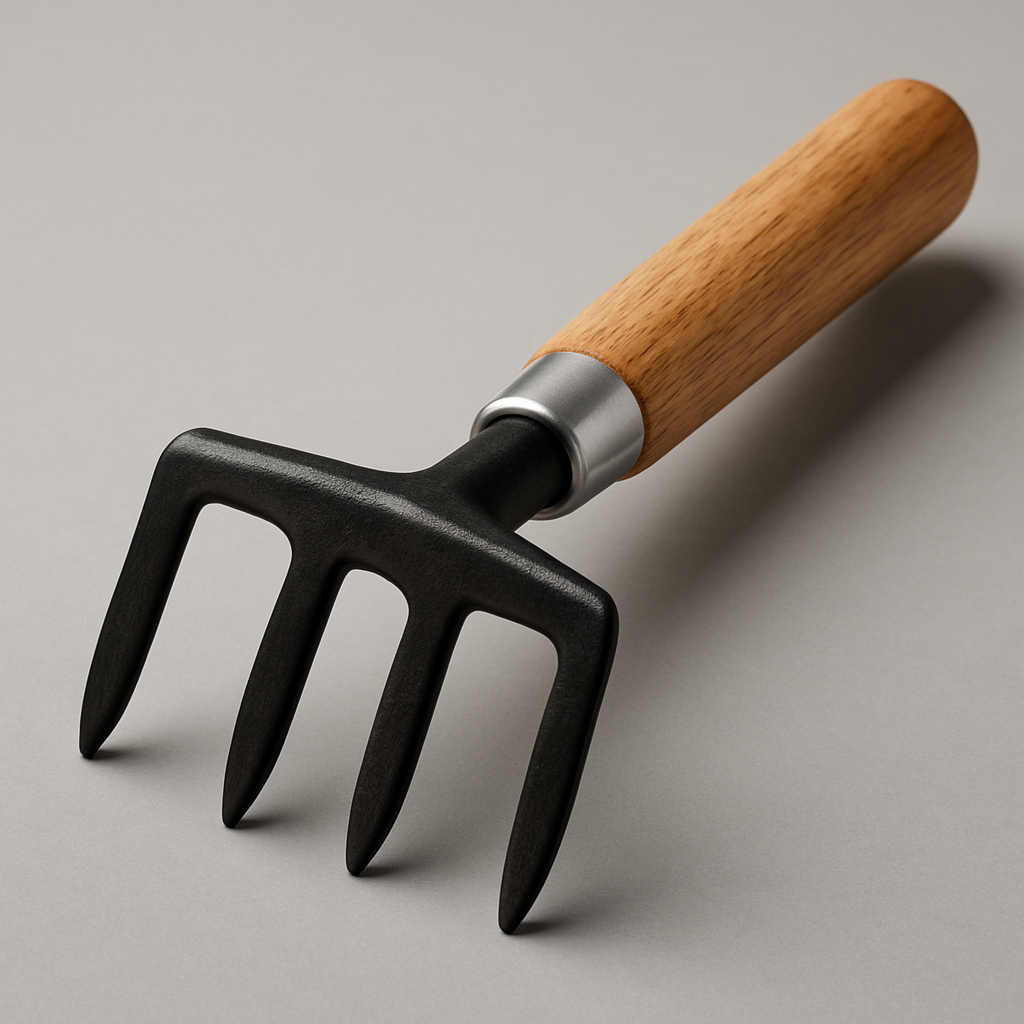
Spades, rakes, secateurs and hoes — the basic tools that wear out physically and need regular replenishment regardless of the size of the farm.
Watering equipment
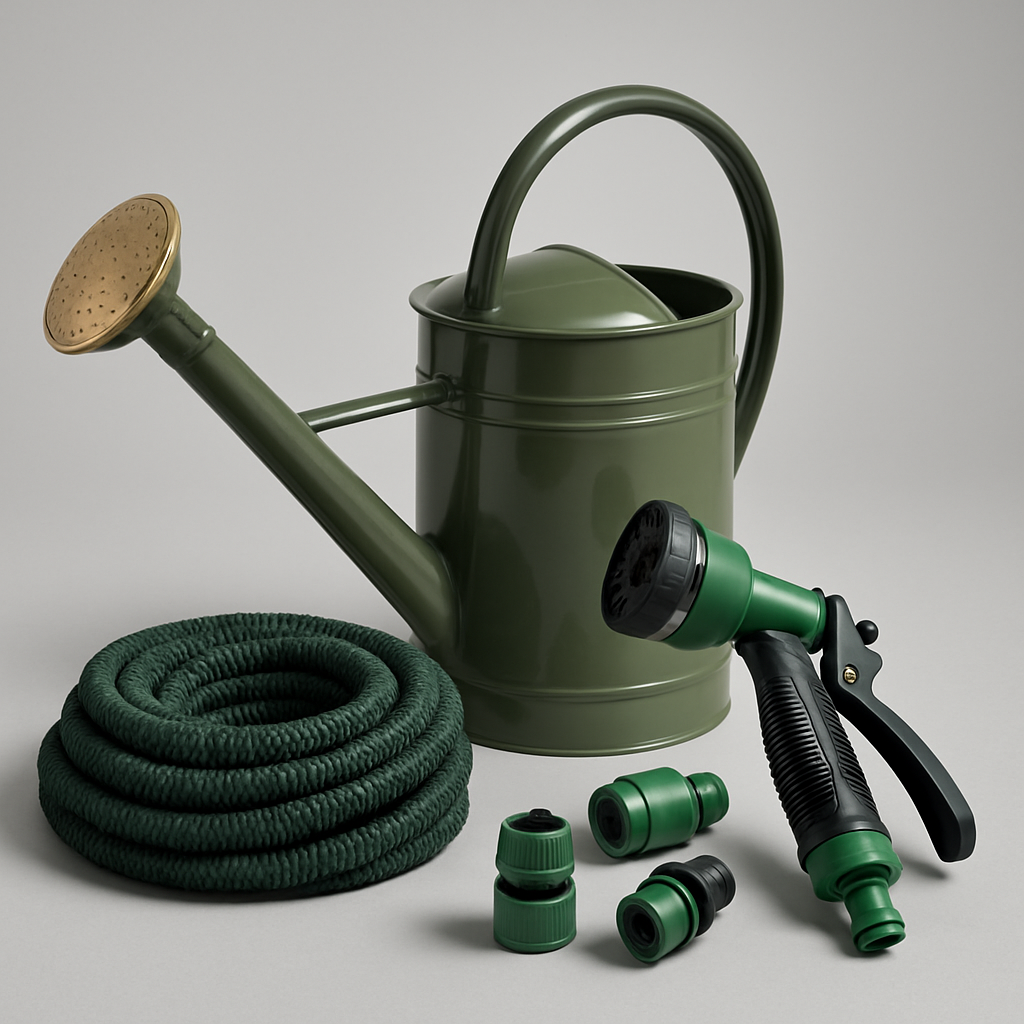
Hoses, nozzles, fittings and simple drip irrigation systems — a category with constant demand throughout the growing season.
Personal protective equipment

Gloves, safety glasses, respirators for working with fertilisers and machinery — an essential consumable range for any farm that cares about staff safety.
Containers and packaging for the harvest
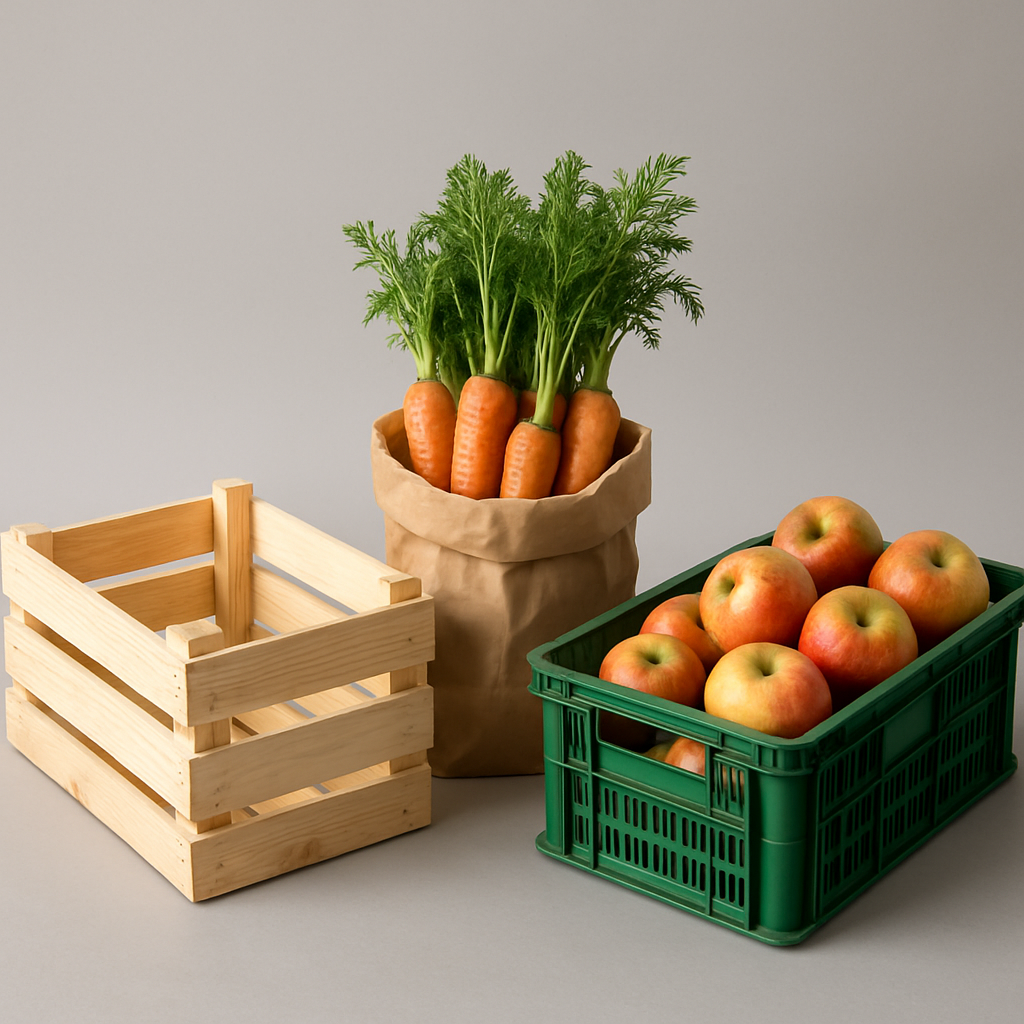
Crates, sacks and nets for gathering and transporting the harvest — demand strengthens seasonally towards picking time, but stays relevant all year for farms with several crops.
Fixings and consumables for greenhouses
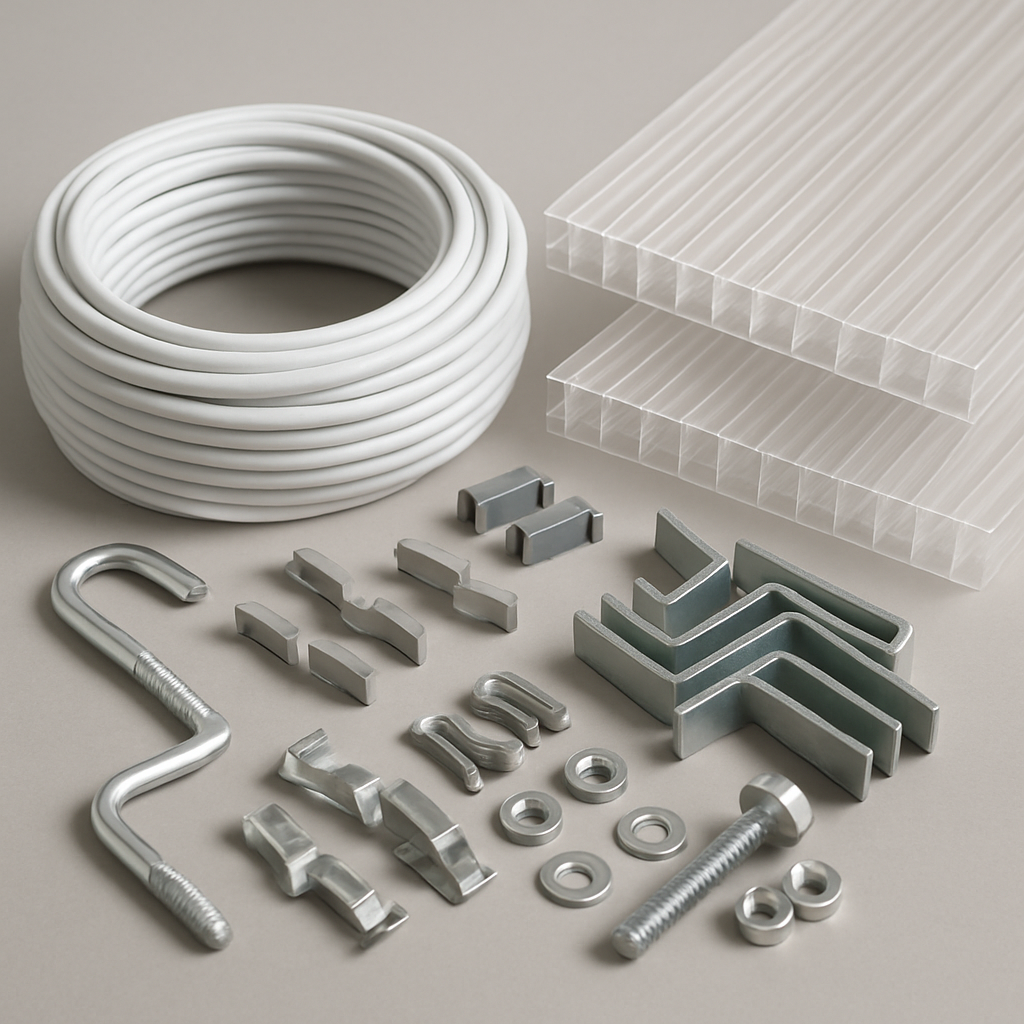
Film, fixing clips, twine for tying up — materials regularly consumed by farms with a greenhouse operation.
Livestock equipment
Feeders, drinkers, livestock harnesses — the basic set for farms with a livestock operation, needing replenishment as items wear out.
Seed storage and packaging
Fabric and polypropylene sacks, airtight containers for storing seed between seasons.
Consumables for small machinery
Filters, belts, spark plugs for walk-behind tractors and other small machinery — a category with a predictable replacement cycle.
Ropes, twine and tying materials
A universal consumable used both in crop growing and in the livestock side of a farm.
Lighting for farm buildings
Moisture-protected light fittings for greenhouses, stores and livestock buildings — a category often underestimated when planning supply, yet one that directly affects working conditions.
What to consider when choosing a supplier for farm supply
For a farm the predictability of delivery for the right season is critical — being a few weeks late with watering equipment or harvest containers can directly affect the outcome of the season, so lead times matter more here than in most other industries.
The second point is how well materials withstand outdoor conditions: farm tools and consumables often work in difficult weather, and here it is important to check the real strength and resistance to moisture or UV with the supplier rather than rely only on the product's stated purpose.
It is also worth thinking through logistics to the farm itself, which is often located far from major transport hubs — reliability and predictability of delivery matter more in this case than the lowest purchase price.
A sensible strategy for a farm is to assemble the basic set of consumables for the current season in advance, before the market's peak demand period, when prices and lead times become less favourable as demand rises across all farms at once.
