
A homeware shop's range: breadth matters more than depth
A homeware shop rests on the highest repeat purchase rate in all of non-food retail — most items here are used up or worn out in daily life and need replacing regularly. That is exactly why the range in this format has to be wide but not deep within each item — the customer cares more about finding everything they need in one place than about choosing between ten versions of the same product. Below are the main product groups that create steady turnover for a homeware shop.
Household brushes and mops

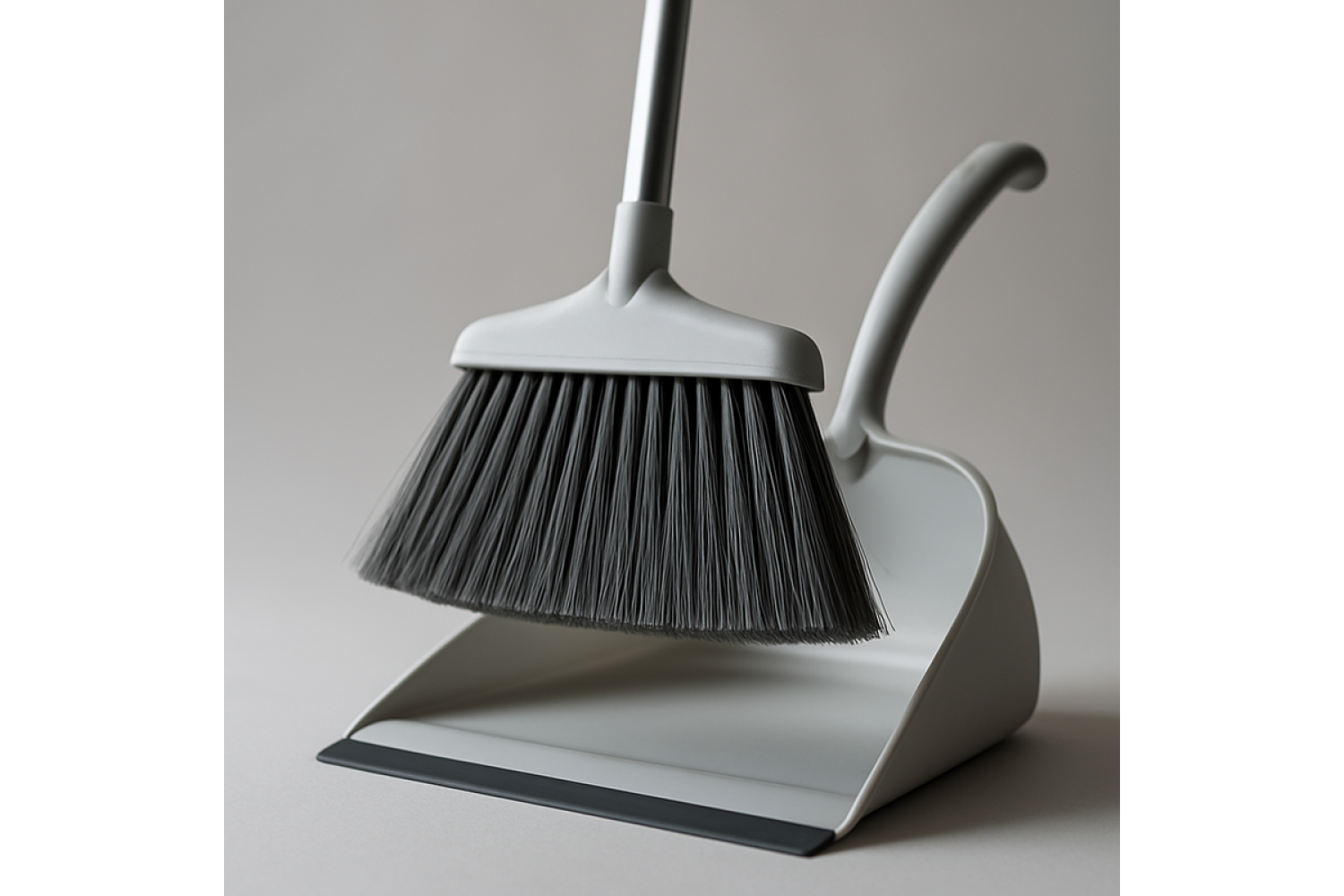
A basic category with constant demand regardless of season — brushes and mops physically wear out with regular use.
Buckets and basins
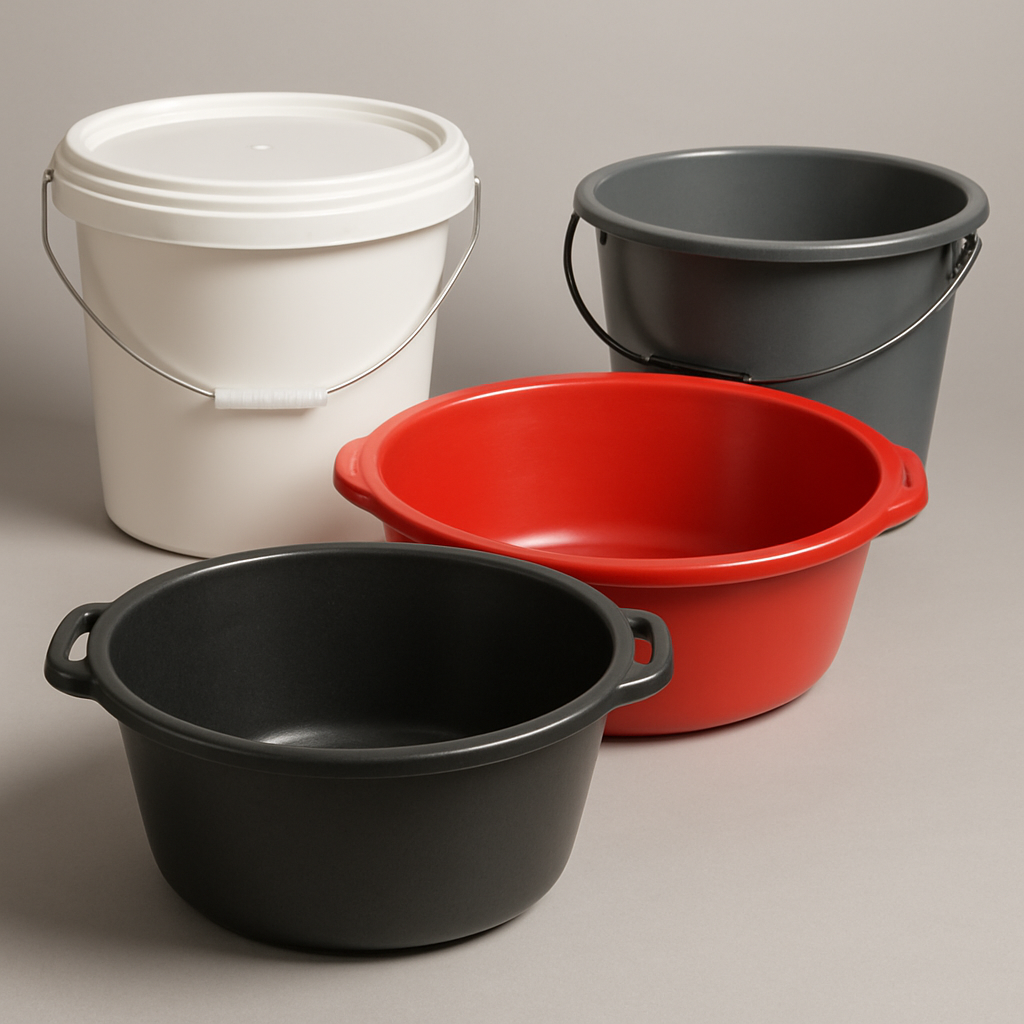
A simple but necessary item for cleaning and household jobs, with even demand all year.
Storage containers
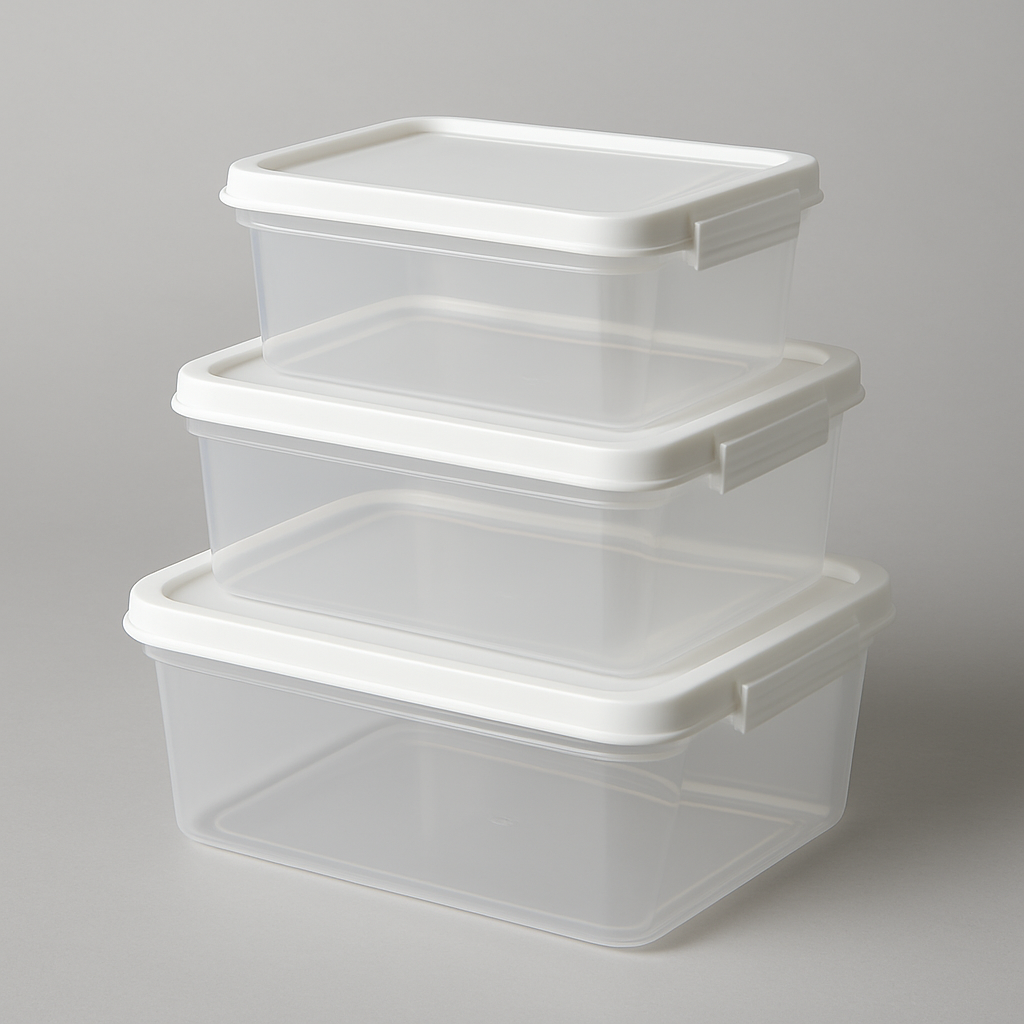
Plastic containers in various sizes — one of the most varied categories by range; the customer often takes a set of several sizes at once.
Clothes hangers
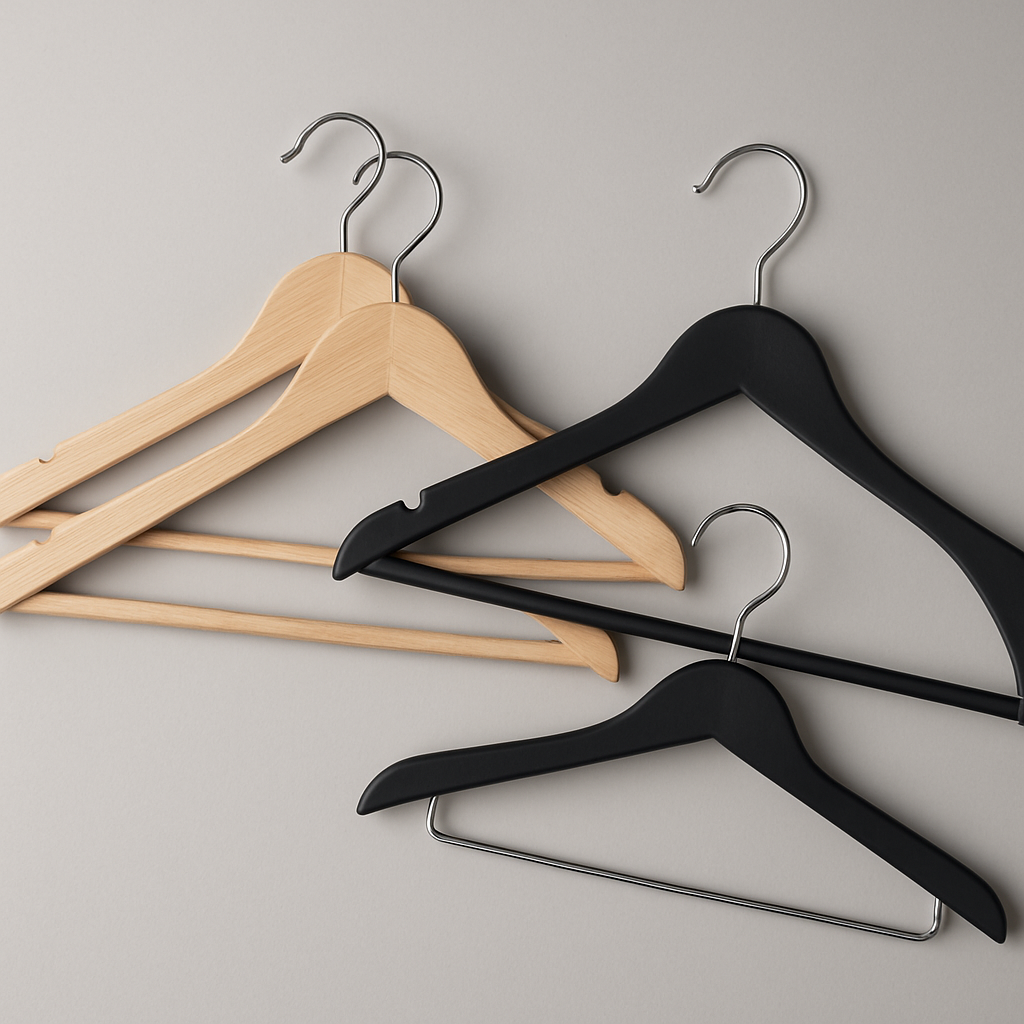
A consumable item with a high purchase rate — hangers get lost and break regularly, which provides steady repeat demand.
Bin bags
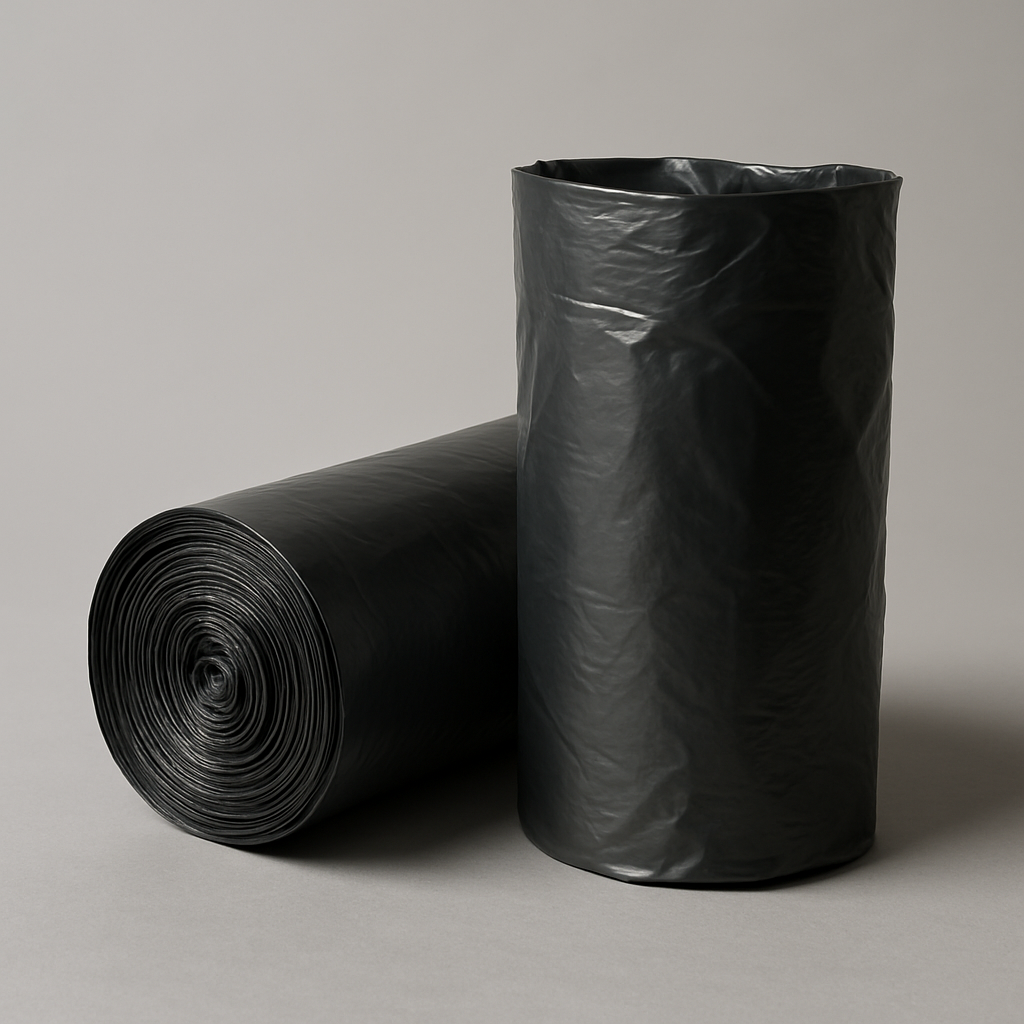
An essential with the highest repeat purchase rate in the whole category, in various capacities to suit different types of bin.
Clothes pegs and drying racks
A seasonally stable item, particularly in demand in the warm months when laundry is dried outdoors.
Ironing boards and accessories
A product with a low purchase frequency but a high value — bought rarely, yet almost every household has one.
Organisers for small items
A growing category on the back of the popularity of organising space — organisers for drawers, shelves and the bathroom.
Window cleaning products and tools
Squeegees, microfibre cloths — a seasonally active item, especially in spring during a deep clean.
Cloths and sponges
The most consumable item of all, with a constant need for replacement, providing steady base turnover.
Laundry baskets
A simple functional item present in the range of almost any household goods shop.
Air fresheners and home fragrances
An impulse purchase category with a wide variety of scents, often bought as a small companion product to the main purchase.
Scented candles
A decorative and functional item at the junction of homeware and the gift category, with steady demand in the cold months and before the holidays.
Shoe racks and shoe organisers
Compact shoe storage systems for the entrance hall — a growing category on the back of interest in organising small city flats.
Bags and film for packing items in storage
Vacuum bags and plastic film for storing clothing and textiles seasonally — a companion item with a demand peak at the change of season.
Vacuum cleaner bags and filters
A consumable item tied directly to the vacuum cleaner models the end customers own — it is important to carry several universal sizes that fit the most common machines.
Packing tape and adhesive tape
A universal household item, in demand both when moving and storing things and in everyday life — the low unit price is offset by how often it is rebought.
How to build the core range
In the homeware category it is more important to cover a broad spread of routine household jobs than to go deep into premium versions of each product — the customer in this format is guided more often by function and price than by brand or design. A sensible strategy is to allow two or three price levels on the fastest-moving items (buckets, brushes, containers) and keep the rest of the range in a single basic segment.
Flasks and food storage containers
Food containers and vacuum flasks — an item at the junction of homeware and kitchenware, with steady demand thanks to frequent use at home and at work.
Repeat purchase frequency as the basis of turnover
Unlike many other categories, homeware is not subject to pronounced seasonality — demand for consumable items (bin bags, cloths, sponges) is spread evenly across the year. That makes the category a convenient foundation for a shop's steady turnover, on top of which more seasonal or trend-driven items can be laid without the risk of sharp dips in sales between demand peaks.
A household range rarely becomes a source of high margin per unit, but it is precisely the high repeat purchase rate that makes this category a reliable source of regular turnover for a homeware shop. When putting together a first order it is sensible to focus on the items with the shortest service life for the end customer — they will deliver the fastest and most predictable repeat demand in the shop's very first months of trading.
