
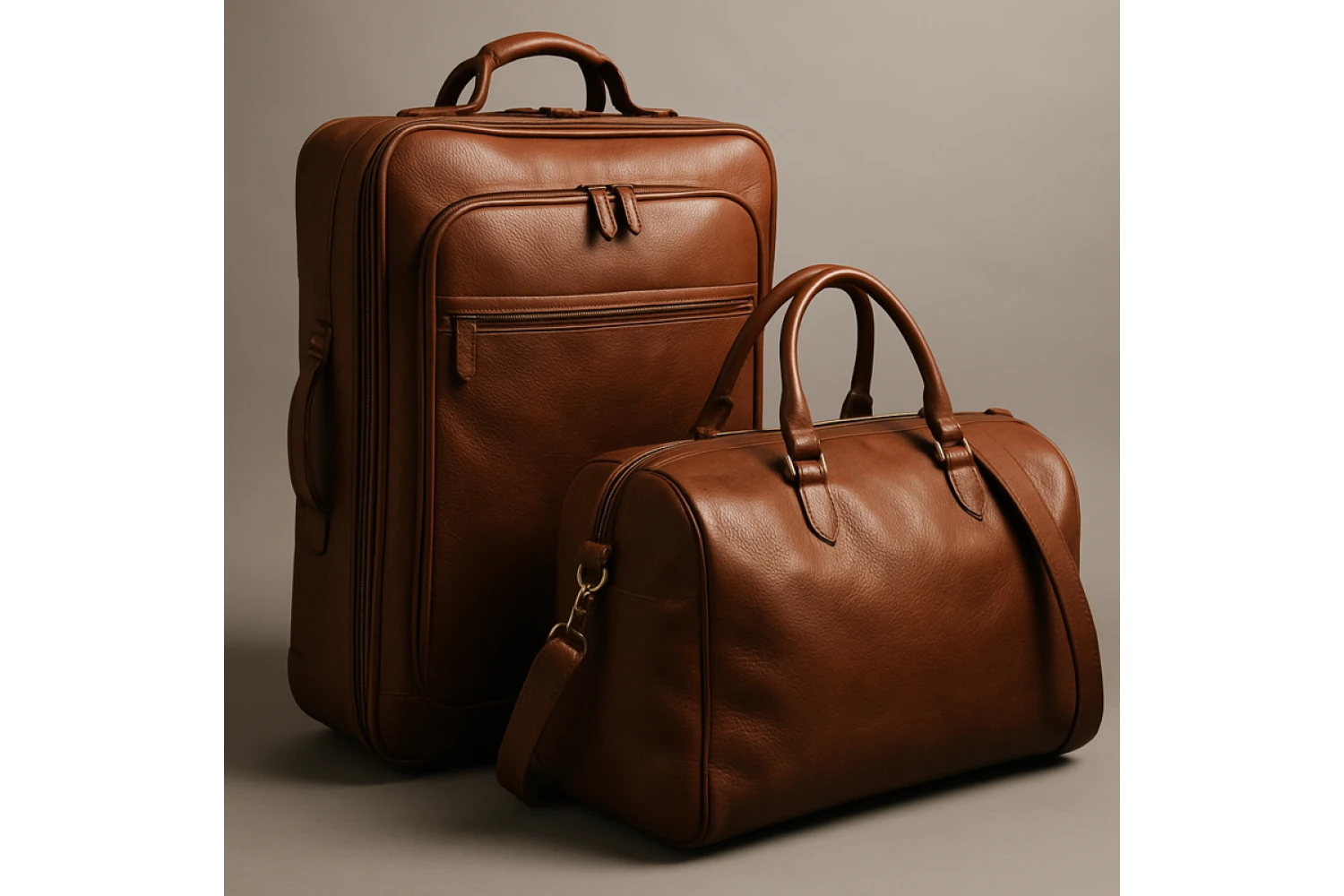
Demand for suitcases and bags is rarely even across the year — it is tied to the holiday and business travel seasons, but it is precisely this predictable cyclicality that makes the category convenient for planning purchases. For a shop specialising in travel goods it is important to keep a balance between basic models with constant demand and items that catch a specific trend of the season.
Travel suitcases
Polycarbonate wheeled suitcases
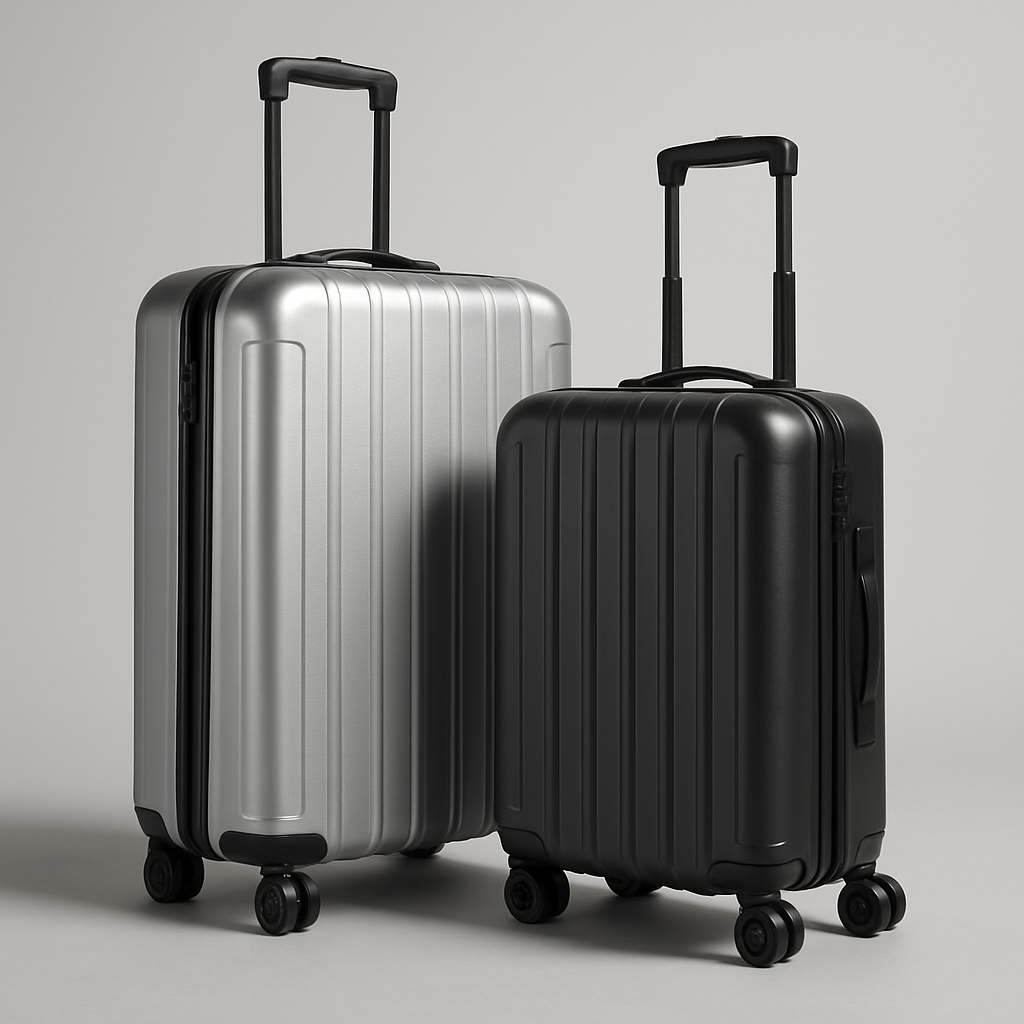
A light and durable shell remains the standard of the category — buyers increasingly choose polycarbonate over heavier materials, guided by airline baggage weight limits. A variety of colours and surface finishes (gloss, soft-touch, embossing) lets you refresh the display without changing the underlying model line.
Small suitcases (cabin baggage)
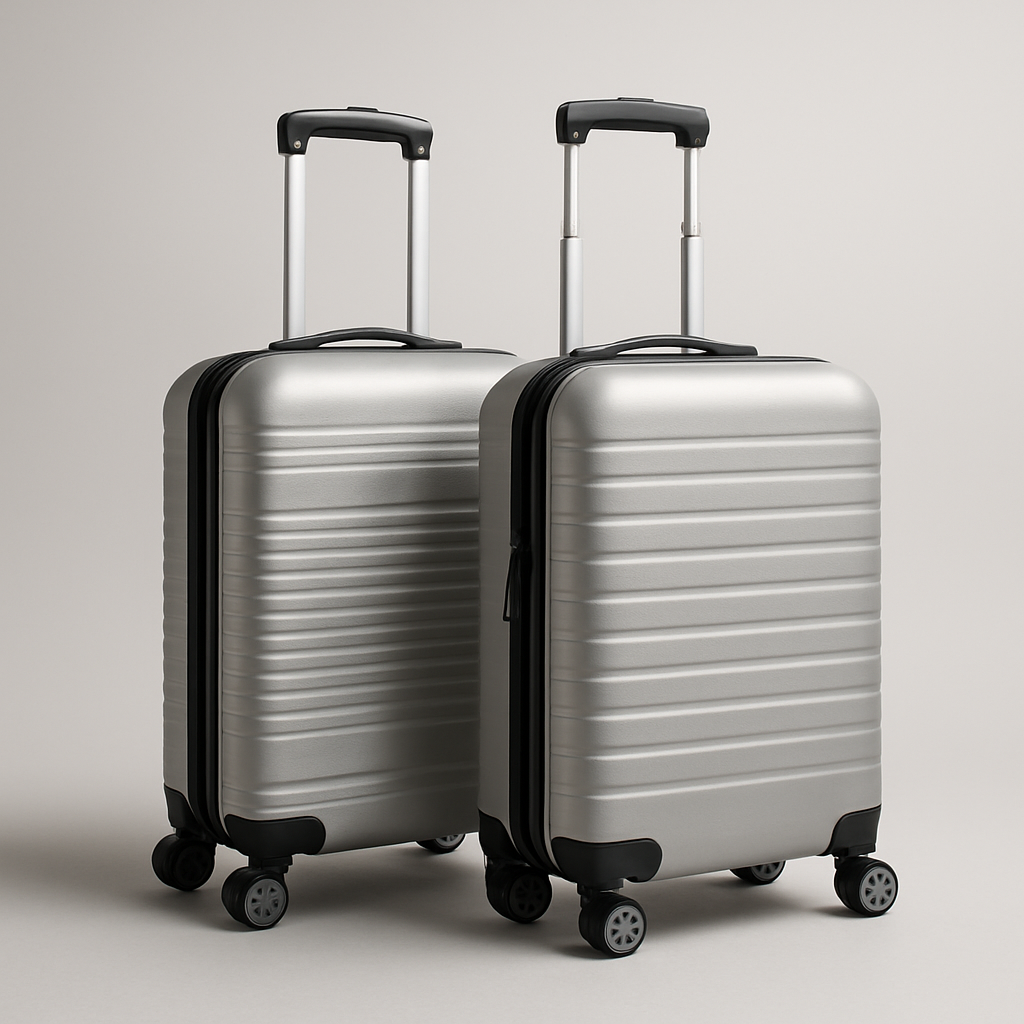
The cabin baggage format is growing faster than the rest because of the spread of low-cost carriers with strict size limits — it is one of the fastest-turning items in the category. Many buyers look specifically for exact dimensions to fit a particular carrier, so it is useful to stock models that meet the rules of several popular airlines.
Expandable suitcases
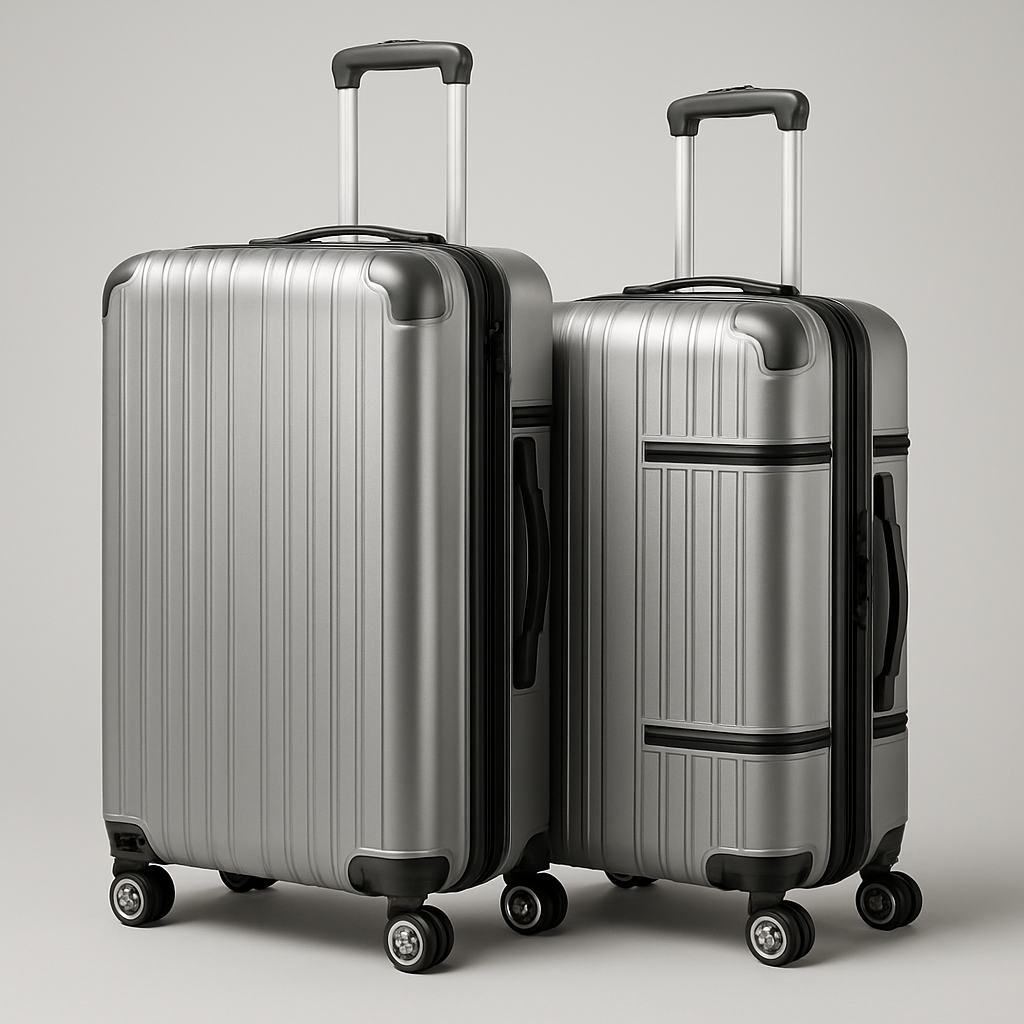
Models with an extra zip that increases the capacity of the case give the buyer the feeling that a single purchase covers different types of trip — both short and long.
Suitcase sets in several sizes
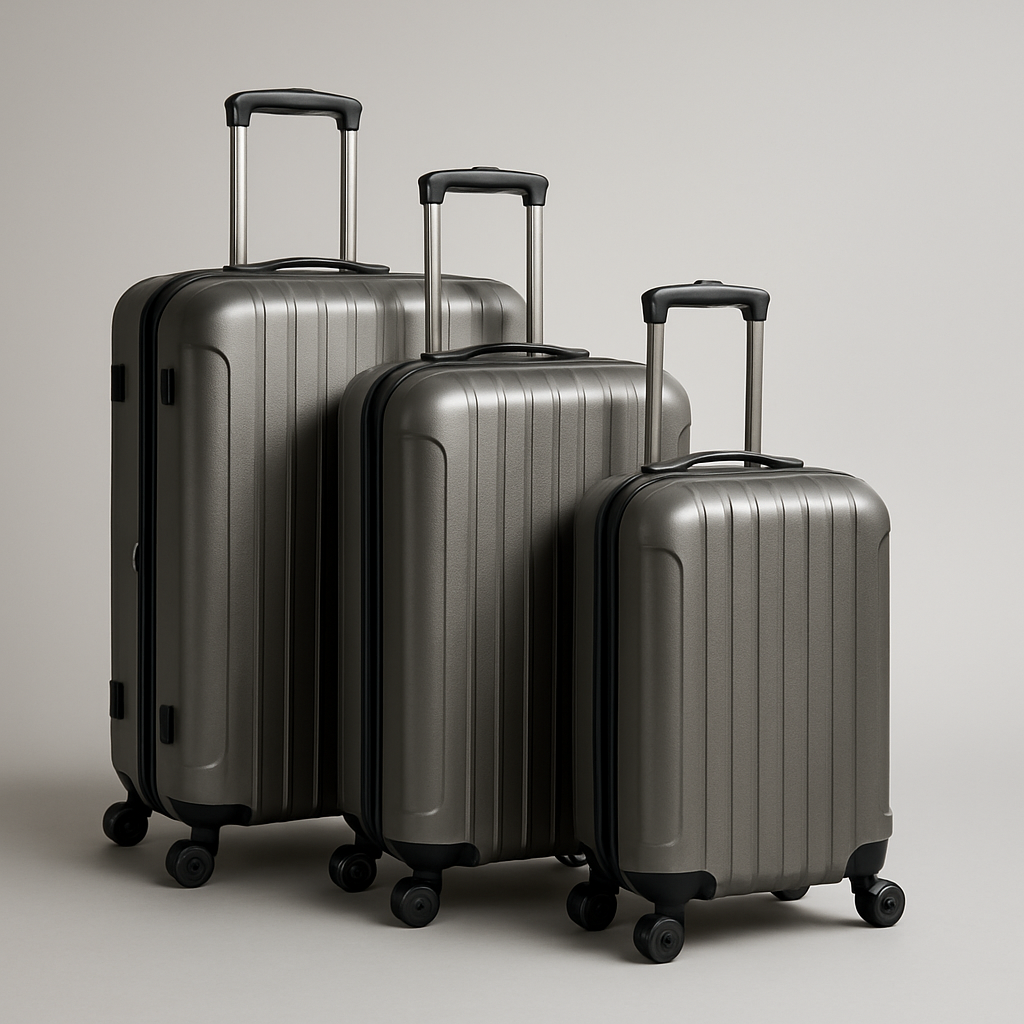
Sets of 2-3 suitcases of the same design in different sizes sell at a noticeable discount to the per-piece price, which raises the average order value and at the same time speeds up warehouse turnover.
Suitcases with built-in scales
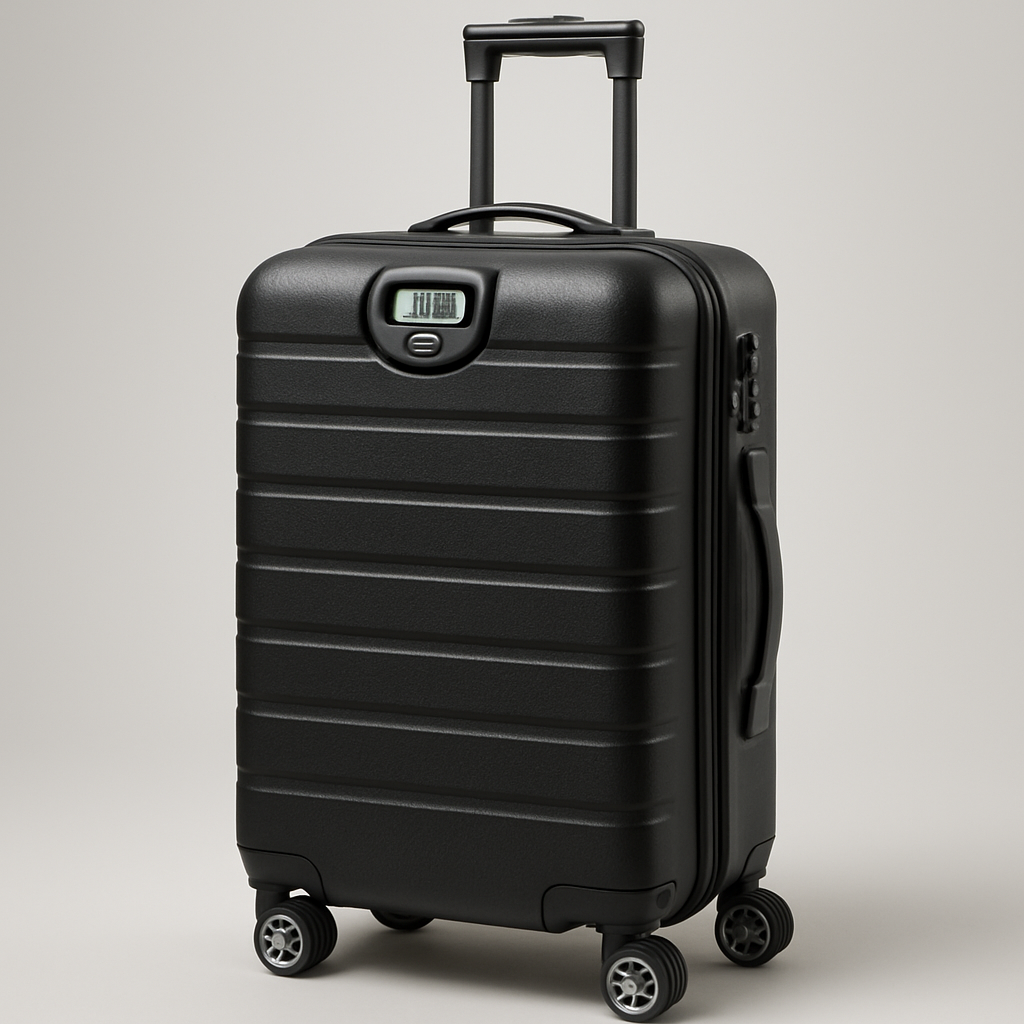
A compact weight sensor built into the handle is an inexpensive piece of technology that sets a model apart from simpler equivalents and stands out on the shelf.
Children's suitcases
A small size with a bright design or themed prints — a niche but steady item, often bought together with the main adult suitcase ahead of a family trip.
Travel bags
Holdalls and duffel bags
The soft format stays in demand where flexible capacity matters more than rigid protection of the contents — above all for car and rail travel.
Travel backpack bags
A hybrid format with both straps and handles covers the needs of active travellers and city travellers at once — its versatility makes the item suitable for a shop's broad audience.
Cabin bags (weekender format)
Compact bags for short weekend trips — a growing trend on the back of the popularity of weekend travel, especially among younger buyers.
Sports travel bags
A format with a separate ventilated compartment for shoes or kit — in demand not only among travellers but also among customers who go to the gym.
Everyday bags
City backpacks
A universal category with constant year-round demand — backpacks are bought both as a school or student accessory and as a business format for carrying a laptop.
Shoulder bags
A compact everyday format that sells well with an emphasis on practicality — plenty of compartments, an adjustable strap, resistance to wear.
Business briefcase bags
A more premium item aimed at an office audience — the quality of the hardware and the appearance matter here, since the buyer treats such a bag as part of their business image.
Travel accessories
Packing organisers for suitcases
Sets of pouches and folders for arranging things inside a suitcase — an inexpensive item with a high margin that sells well as a companion product when the suitcase itself is bought.
Suitcase covers
Protective covers reduce visible wear on a suitcase and are seen by the buyer as sensible, inexpensive insurance before a trip — a good option for an add-on sale at the till.
Luggage tags
A simple but consistently selling small item — especially in a set branded for a particular shop, which additionally works on recognition of the outlet.
Travel luggage scales
A compact electronic accessory for checking the weight of a suitcase before departure — it solves the specific and frequent problem of excess weight at the check-in desk.
Suitcase locks
A separate category for buyers whose suitcases have no built-in lock — an inexpensive item with constant demand, especially among frequent travellers.
How to assess a supplier on the first order
For hard-shell suitcases it is worth asking the supplier for load test data on the wheels and locks — this is the assembly that most often fails under intensive use and becomes the reason for returns. For soft bags the quality of the seams and zips matters more, especially on load-bearing sections such as the main compartment.
It also makes sense to establish in advance whether the supplier offers a single model line in one colour and design across several sizes — that lets you assemble the sets and bundles mentioned above without the risk of batches differing in the shade of the material. It is worth discussing separately the terms for replacement when a factory defect in the wheels or zips is discovered after the item has already been sold to a customer — in this category such cases are not rare.
Seasonal range planning
The peak of demand falls in spring and early summer ahead of the holiday season, and again at the end of the year before the winter break. A sensible strategy is to build the main purchase volume around these two peaks, adding an even base range of everyday bags to cover the shoulder seasons.
The suitcase and bag category works well as the anchor product for a travel accessories shop — add-on sales of organisers, tags and covers build naturally around it, raising the average order value with no extra marketing effort.
