
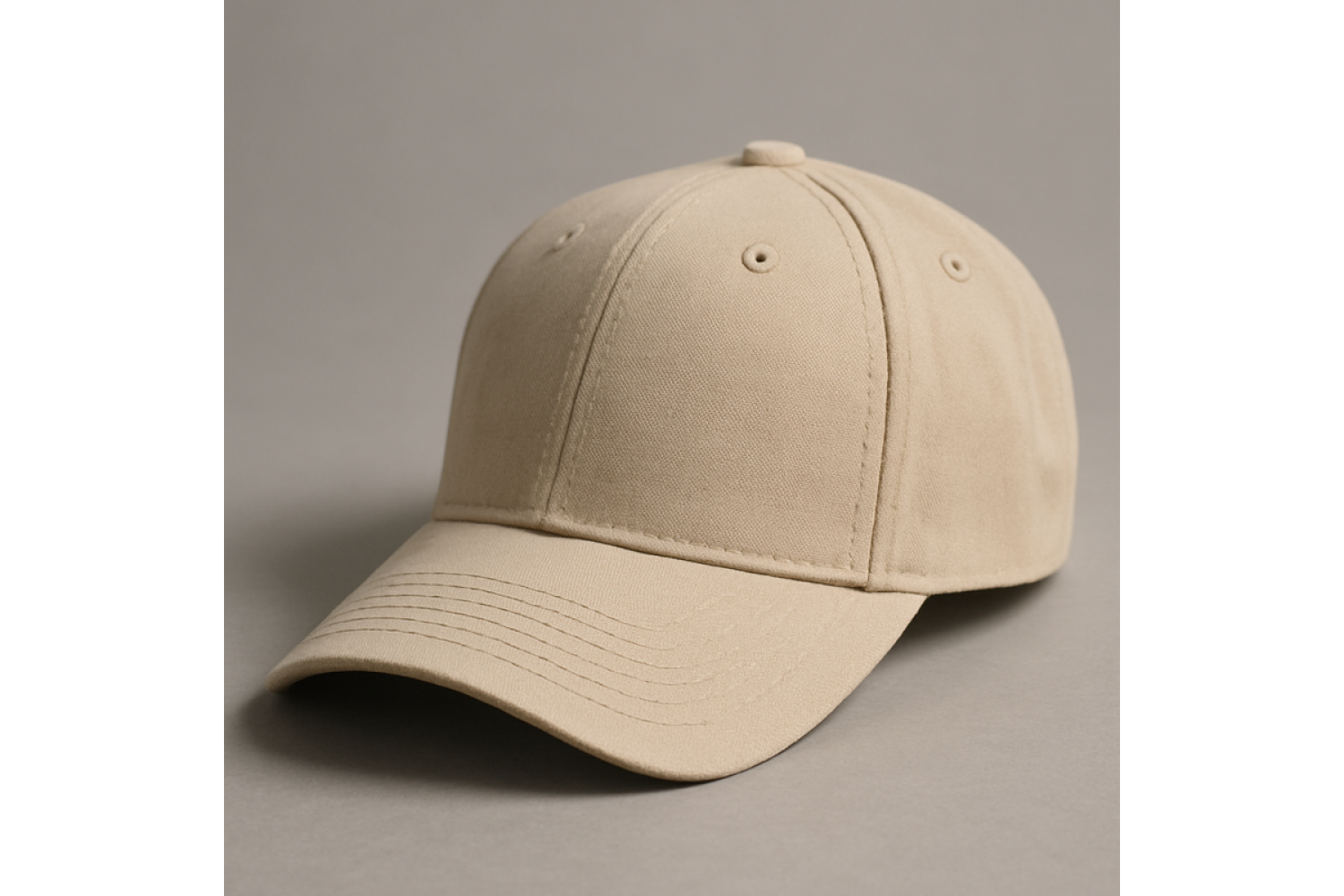
A category with clear seasonal logic
A headwear range is almost never static: what sells excellently in November turns into dead stock by April, and vice versa. A shop working with this category has to think not about a "range" in general but about several parallel ranges replacing one another through the year. In wholesale buying that means planning a batch not for the current month but for a selling window 2-3 months ahead — otherwise part of the stock will inevitably drift into the off-season with a loss of margin. Below are the items that form the backbone of such a category, and what to pay attention to when choosing a particular batch.
Knitted beanies
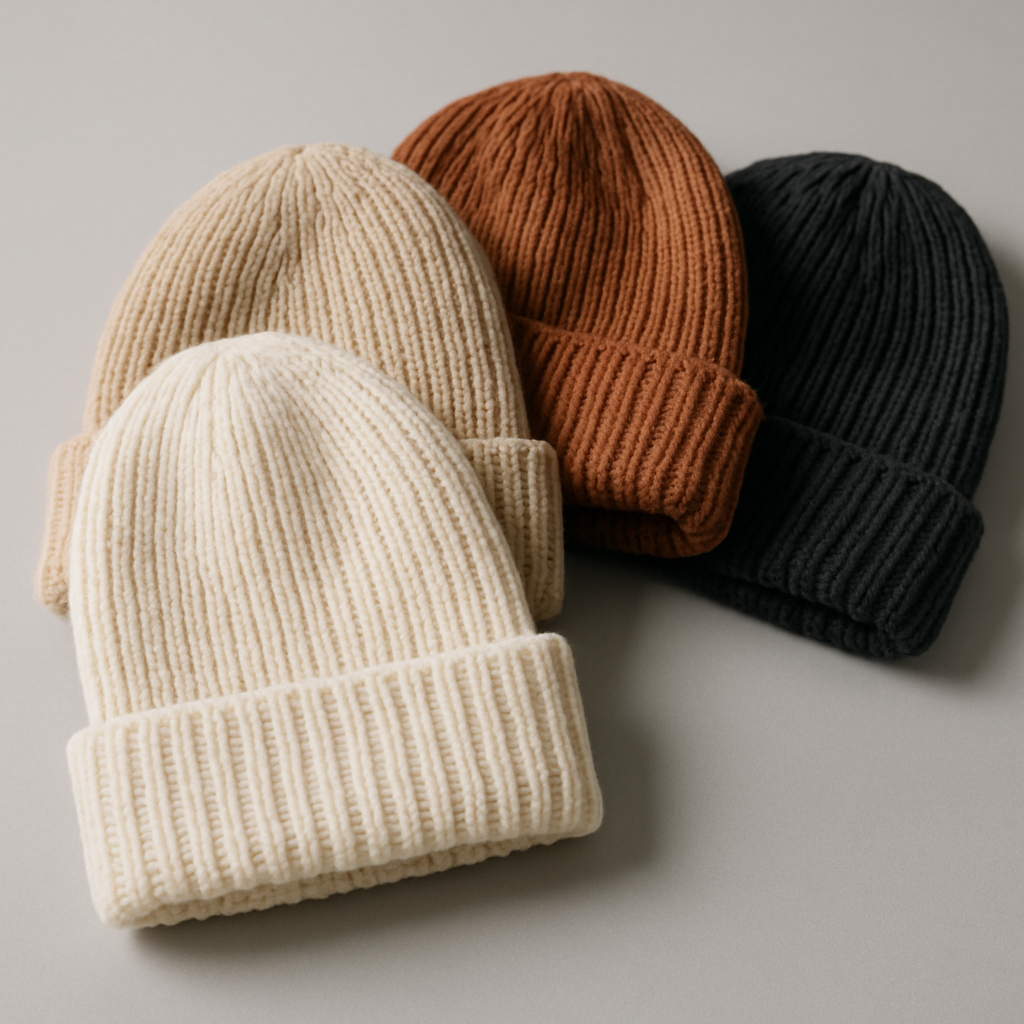
The basic winter item with the broadest demand of all headwear. Plain models for everyday wear sell alongside models with a pom-pom, a turn-up or a jacquard pattern — and it is precisely the mix of these variations that determines whether the display looks varied or monotonous. The density of the knit and the yarn composition directly affect the customer's sense of "quality" even before trying the hat on, so these two parameters are what to focus on when choosing a supplier. For retail it is convenient to buy knitted beanies in runs of 3-4 colours per model rather than in single colours.
Fleece hats
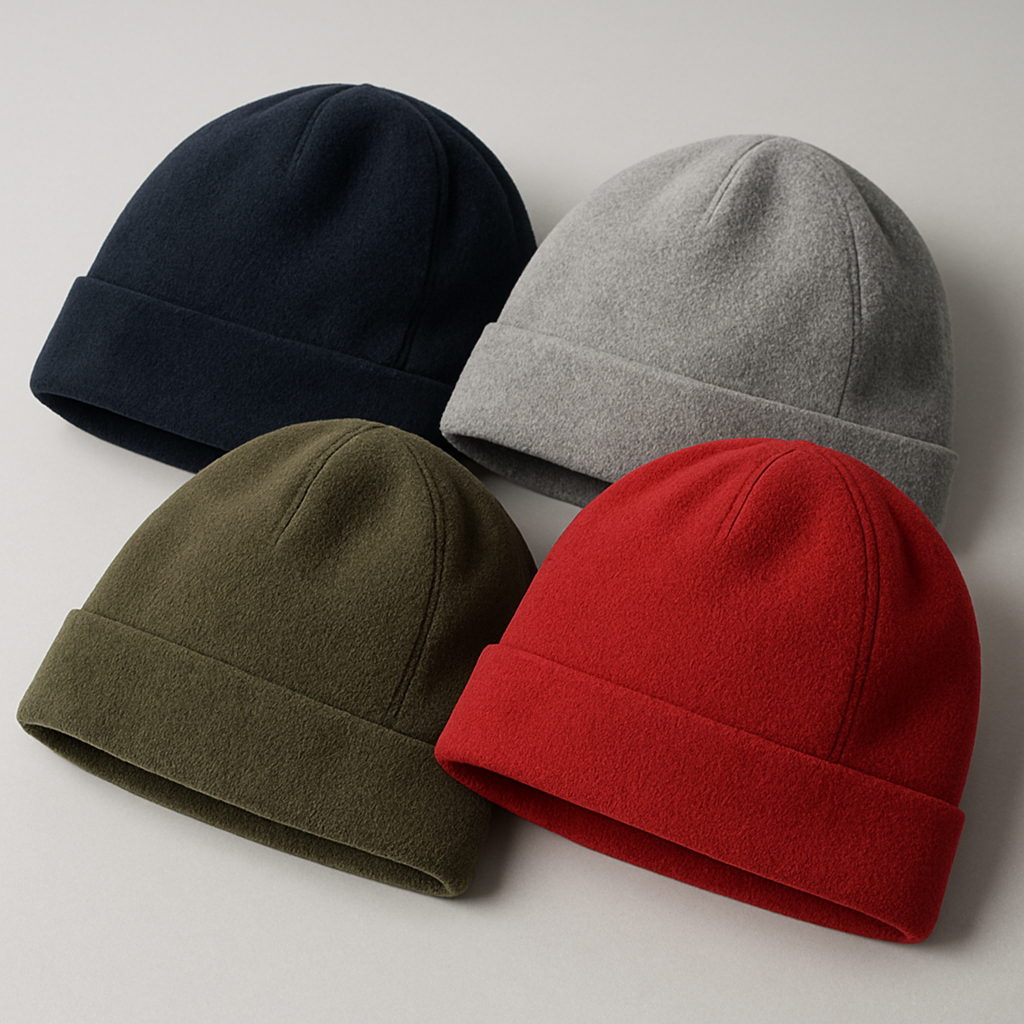
A more budget-friendly alternative to knitted models, in demand first of all among customers looking for a practical item for outdoor activity rather than an accessory. It fits well into sports and outdoor shops as a companion product. Fleece needs no delicate care, which becomes an additional argument when selling to children and teenagers. Thanks to its low cost, this item gives the shop room for a more aggressive mark-up without losing price competitiveness.
Caps and baseball caps
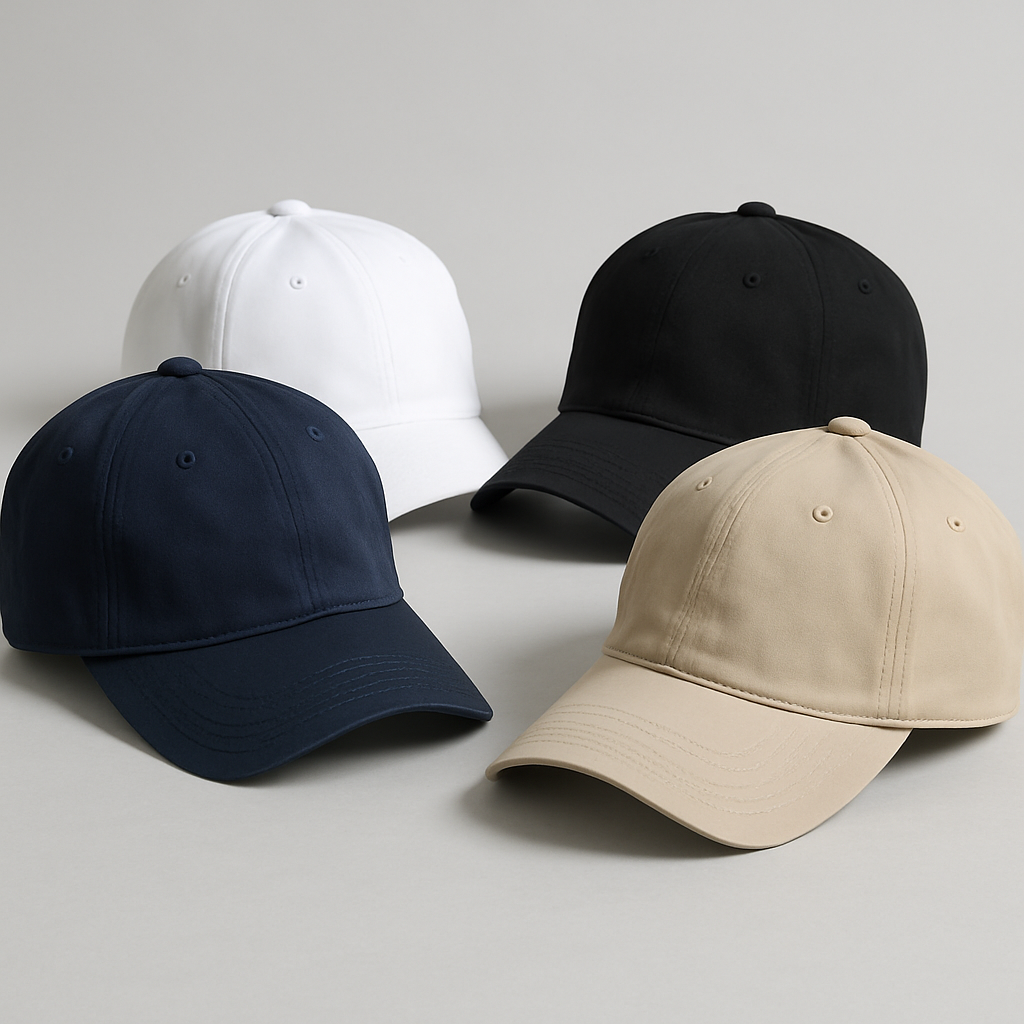
A year-round item that does not disappear from the range even in winter — only the material and purpose change (a sun cap in summer, a heavier lined model in the shoulder seasons). Caps work well as an item for logo printing if the shop also serves corporate clients or sells merch. The variety of shapes (classic, snapback, trucker) lets a single product group cover several age and style segments at once.
Bucket and sun hats
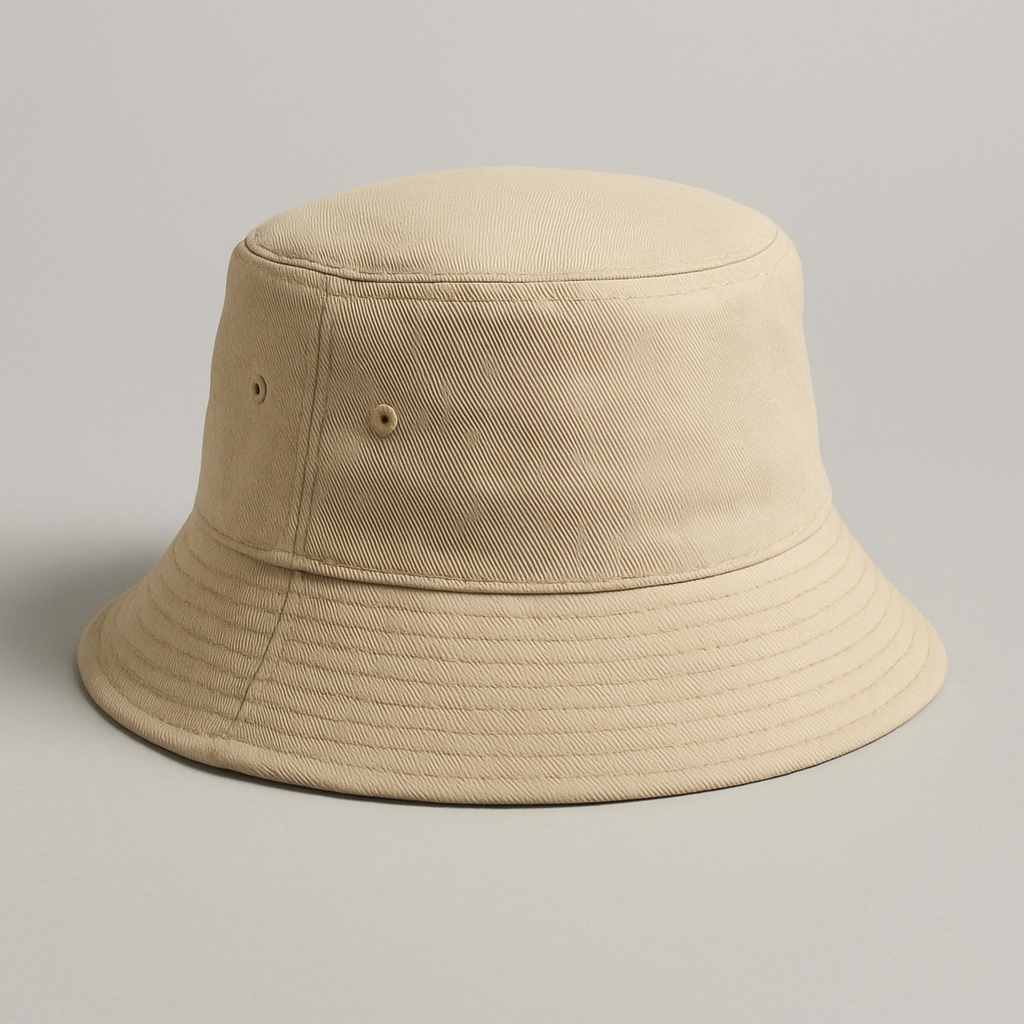
A summer item with steady demand among parents of small children and older customers — that is, an audience for whom sun protection matters more than a fashionable silhouette. Sun hats are rarely an impulse purchase, more often bought deliberately, so having the right size matters more for this item than the breadth of the colour palette. Foldable models that pack into a bag are a separate growing subcategory within sun hats.
Cowboy hats and fedoras
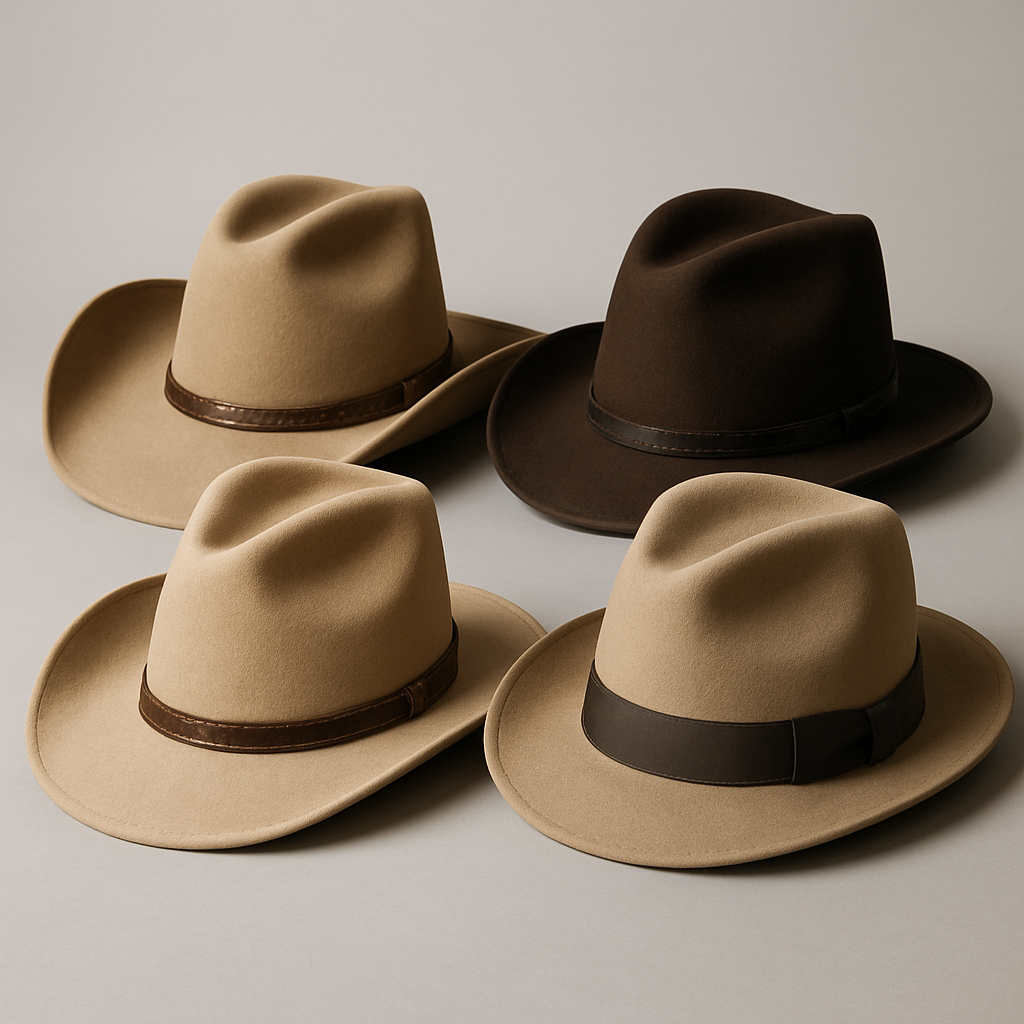
A niche but consistently returning category, almost entirely dependent on themed events, parties and photo zones — demand concentrates around specific occasions rather than being spread evenly through the season. It suits shops oriented towards party and carnival items better than general accessory shops. Small but regular buying in modest batches reduces the risk of overstocking.
Bandanas and headscarves
A universal item used both as a fashion accessory and as practical protection from dust and sweat — the dual purpose widens the buyer audience. Bandanas take up almost no warehouse or display space, which makes them a convenient addition to the main range without significant investment in floor space. They sell well alongside other summer accessories at the till as an add-on item.
Balaclavas
Originally a niche sports and outdoor item, which in recent seasons has also established itself in the everyday city wardrobe thanks to its usefulness in hard frost and wind. Balaclavas are convenient to position in two departments at once — winter accessories and sports goods — if the shop has both. An important parameter when buying is the elasticity of the fabric around the face: comfort in use depends directly on it.
Children's trapper and helmet hats
A specific children's category where practicality comes before aesthetics: the ability to fasten under the chin, the absence of small parts a child can pull off. Parents are guided more often by function than by design, so it is especially important here not to economise on the quality of fastenings and seams. They sell well as a set with a scarf and mittens in the same colour.
Berets
An item whose demand fluctuates with fashion cycles — there are seasons when berets barely sell and seasons when they become one of the most noticeable items on the display. For a shop that means buying berets in small test batches and tracking sales dynamics before increasing the volume. The women's audience here is noticeably wider than the men's, which is worth allowing for in the colour range.
Turbans and knitted headbands
A compact category at the junction of headwear and hair accessories, in demand first of all among customers who use them as part of a look rather than as protection from the cold. Sells well paired with scarves and gloves from the same fabric collection. Its low cost makes this item convenient for an add-on sale at the till.
How to assess knitwear quality when buying
For knitted and fleece headwear the main source of complaints is not the design but the material: stretching after washing, bobbling after a few wears, a fit that is too loose or too tight. When choosing a supplier it is worth asking for a sample from the specific batch rather than relying on catalogue photos alone — a dense and a loose knit are almost indistinguishable in a photo but noticeably different in wear. It is also sensible to check the yarn composition in percentages: pure acrylic models are cheaper but lose their shape faster than models with wool content. For a shop focused on repeat sales it is better to opt for a slightly higher material class from the start — returns and negative reviews cost more than the difference in purchase price.
Conclusion
Headwear is a category where success is determined not by the number of unique models but by how precisely you hit the seasonal window and how much attention you pay to basic material details. A shop does not have to hold the entire range described above in stock at once: it is more sensible to build a rotation calendar in which winter items give way to summer ones without a gap in the middle of the season. Wholesale buying in small but frequent batches reduces the risk of dead stock better than one large purchase for the whole year. It is worth starting with two or three basic items with the broadest demand — knitted beanies and caps — and gradually adding niche categories as the buyer profile of a particular outlet becomes clear.
