
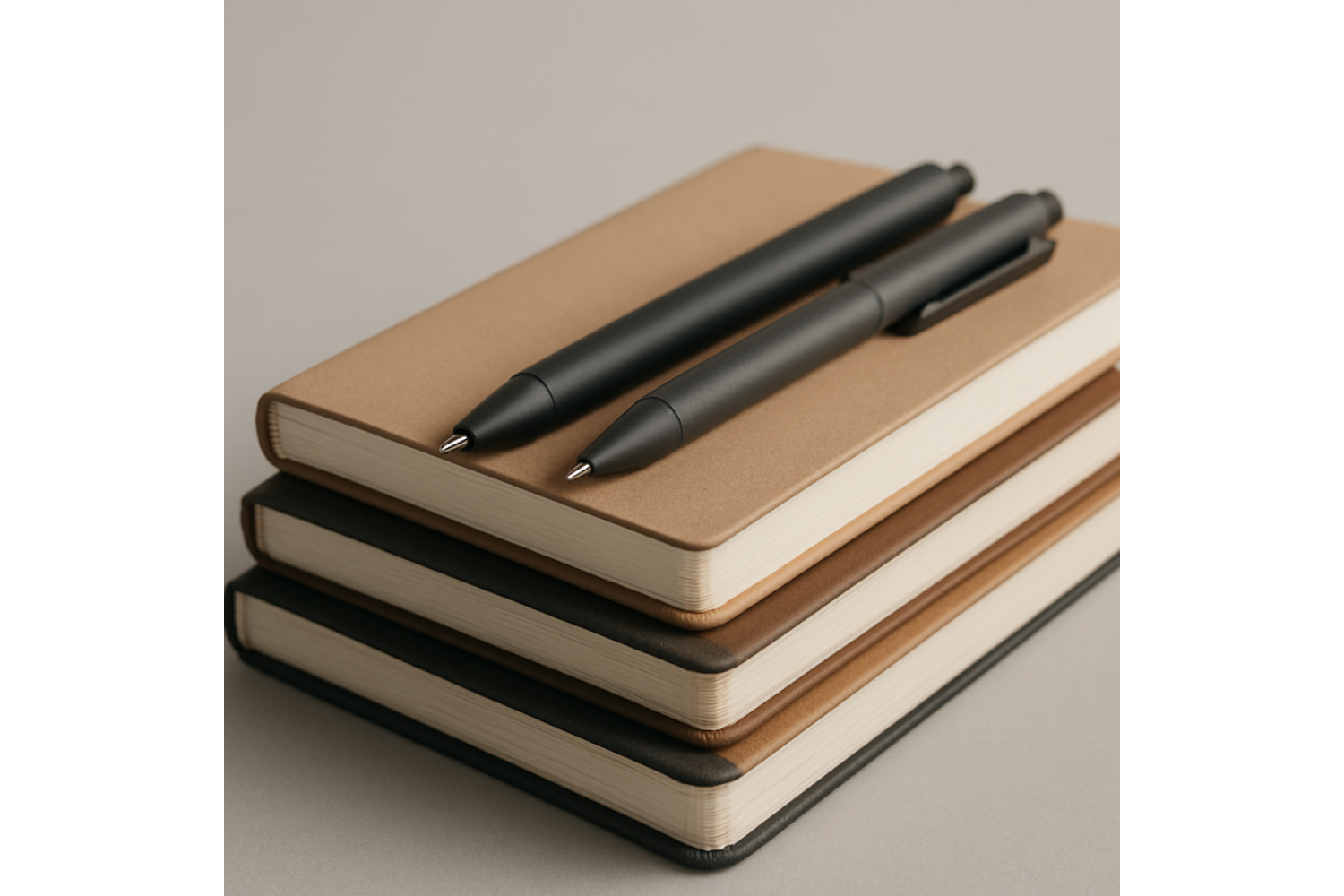
A stationery shop rarely lives by the rule of "one demand peak at the end of August and silence for the rest of the year" — if you build buying around the school season alone, for the second half of the year the shelves are either empty or packed with dead stock that will not move without a discount. A stable range rests on three pillars: everyday consumables that people buy almost reflexively, categories with steady demand from offices and schools, and seasonal spikes that have to be covered in advance rather than once interest has already grown. Below is an extended list of items that show consistent turnover in wholesale, plus separate sections on seasonality and the usual mistakes in building a range.
Items with steady turnover
Ballpoint and gel pens
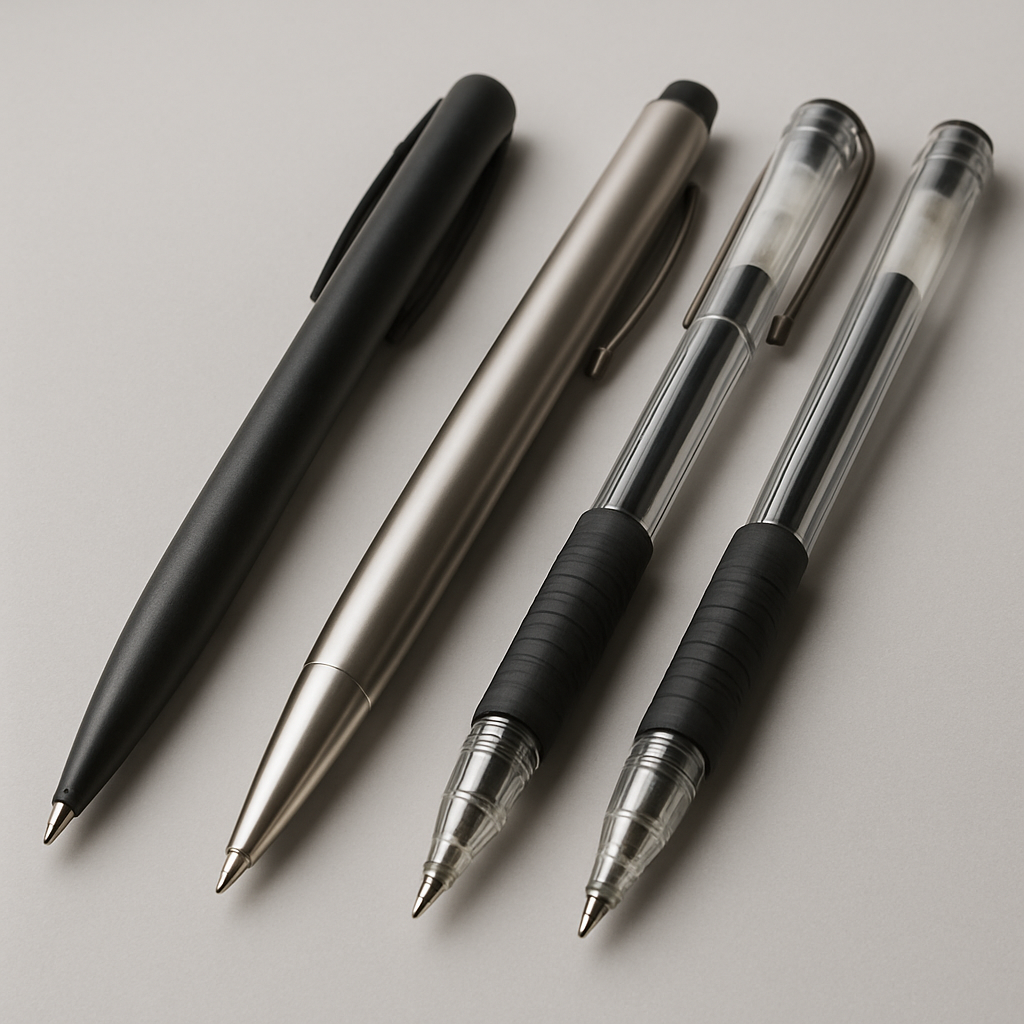
The most frequent purchase in the category by a wide margin — people buy pens "just in case" without thinking, even when there is already a dozen at home. Wholesale buying makes sense across several price segments at once: simple disposable ones for school sets and pricier gel pens for office buyers. The margin difference between these segments is considerable, and holding both ends of the line pays better than working with only one.
Graphite and coloured pencils

Graphite pencils are the base for drawing and notes, coloured ones for crafts and school sets. Demand is even all year, with a noticeable lift in August and September and before each term begins. Sets of different sizes (6, 12, 24 colours) cover different customer budgets.
Markers and highlighters
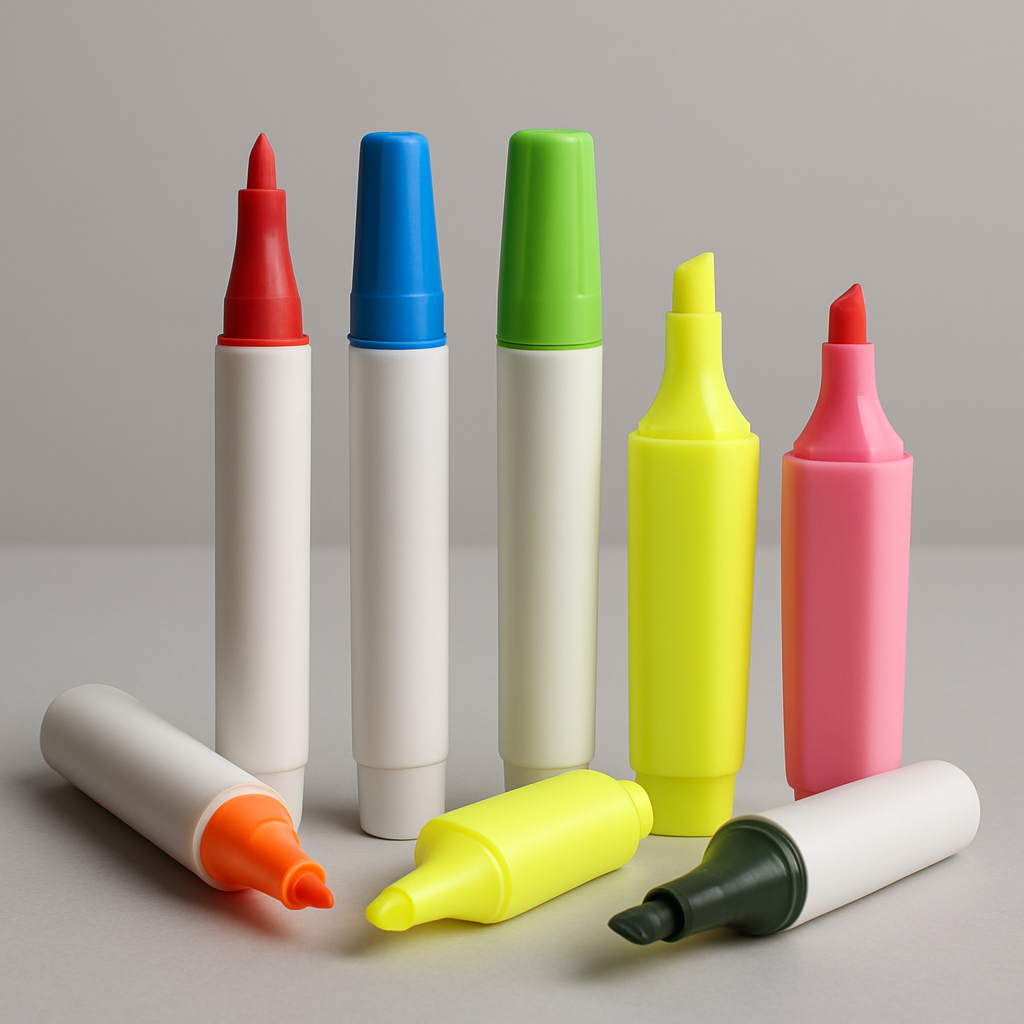
Whiteboard markers are in constant demand from offices and schools, and highlighters from students and anyone working with paper documents. This is one of the few categories where permanent markers for marking and industrial labelling can be bought within the same product line, extending your reach to B2B buyers beyond retail.
School and general notebooks
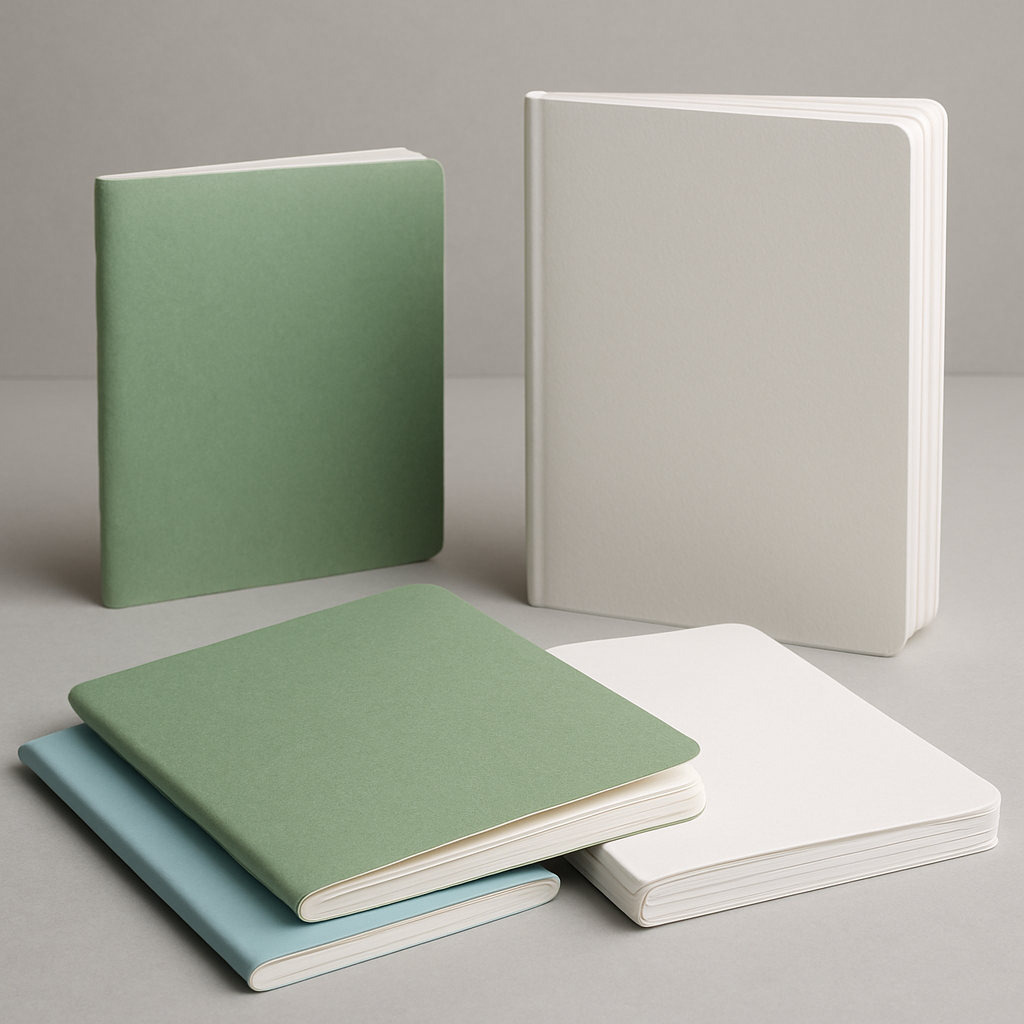
Besides ruled and squared school notebooks, a separate category is larger general notebooks for lecture notes and adult working records. Different ruling, covers and binding (staple, spiral, glued) let one product direction cover several price points at once.
Notepads and diaries

Unlike school notebooks, notepads and diaries are bought all year, including as a small gift for a colleague or a client. Closer to the New Year, demand for diaries and planners rises noticeably, separately from the main school season — worth planning for in fourth quarter deliveries.
Document folders and punched pockets
Lever arch files, punched pockets and L-folders are goods with almost no emotional component to the purchase: people buy them out of necessity, usually by the pack. Office buyers and small companies order such items regularly, which makes the category convenient for building a predictable base turnover.
Sharpeners and erasers
A small-ticket but extremely fast-moving category — sharpeners and erasers get lost and worn out faster than any other stationery item, which guarantees repeat purchases. Mechanical sharpeners with a shavings container sell at a higher price and work well as an add-on to pencils.
Rulers, compasses, drawing sets
Drawing sets hold a stable, if not the largest, share of demand, tied to the geometry and technical drawing curriculum. Metal rulers and higher quality compass sets also appeal to adult buyers — designers, engineers and craft enthusiasts.
Glue and glue sticks
Glue sticks are a high replacement frequency item: they run out quickly and are often lost, especially by schoolchildren. PVA and all-purpose glue in small packaging round out the line for customers doing crafts and small repairs at home.
Scissors and utility knives
A basic tool for home, office and school with even demand through the year. Models with rounded tips for children and full-size ones for adults are worth stocking as separate items — these are different buyer segments with different safety requirements.
Staplers, staples, staple removers
An office category with predictable, regular demand: staplers break or get lost, and the staples run out faster than the stapler itself fails. Staple removers are an inexpensive add-on that many sellers forget, although the margin on them is usually higher than on the stapler.
Tape and office packaging materials
Stationery and packing tape, double-sided tape and small adhesive strips are needed by any office and warehouse on a regular basis. This category blends smoothly into packaging and can become a growth point for the average order value through add-on sales.
Calculators
Simple calculators remain a must-have for schoolchildren during exams and for small-scale bookkeeping in shops and at markets. Scientific models with an extended function set are a separate, higher-margin item for students of technical subjects.
Ready-made school sets
Assembled sets (a pencil case with a basic set of pens, pencils, an eraser and a ruler) make the choice easier for parents and raise the average order value by offering a finished solution instead of buying items one by one. Such kits sell particularly well during the peak back-to-school period.
Sticky notes, bookmarks and memo paper
Sticky notes are a low-ticket item with a very high repeat purchase rate in an office environment. Bookmarks and coloured page dividers complete the category for customers who work actively with paper materials and books.
Seasonality and how to allow for it
The classic peak falls in late summer and early autumn, when the school season creates a sharp jump in basic items: pens, notebooks, sets. But the category has a second, less obvious peak — the end of the year, when diaries, planners and gift stationery sets become part of corporate gifts and personal New Year purchases. The mistake many small shops make is preparing their buying for August only, leaving the fourth quarter without a separate plan for gifts and planners. Between these two peaks demand is even, but it is precisely the basic consumables (pens, tape, pockets) that give a shop its constant, if less visible, turnover.
Common mistakes when building a range
The first common mistake is a bias towards bright, "trendy" items (unusual pens, designer notepads) at the expense of dull but genuinely fast-moving basics such as ordinary notebooks and pockets. The second is underestimating the volume of consumables: if a brand or shop focuses on school sets but does not buy enough plain pens and pencils loose, the shelf soon looks empty in the off-season. The third mistake is ignoring price segmentation within a single product group: without goods in both the low and the mid price range, a shop loses either the customers looking to save or, conversely, those ready to pay for quality.
A range built this way — a combination of predictable consumables, goods with a seasonal spike and a well-considered price ladder — gives a shop steady turnover throughout the year, not only during the back-to-school period.
