
An electronics repair centre lives on the turnover of consumables and the availability of components for specific models — the faster the technician gets the part they need, the faster the job closes and the higher the throughput of the workshop as a whole.
Components in constant use
Screens and display modules for smartphones
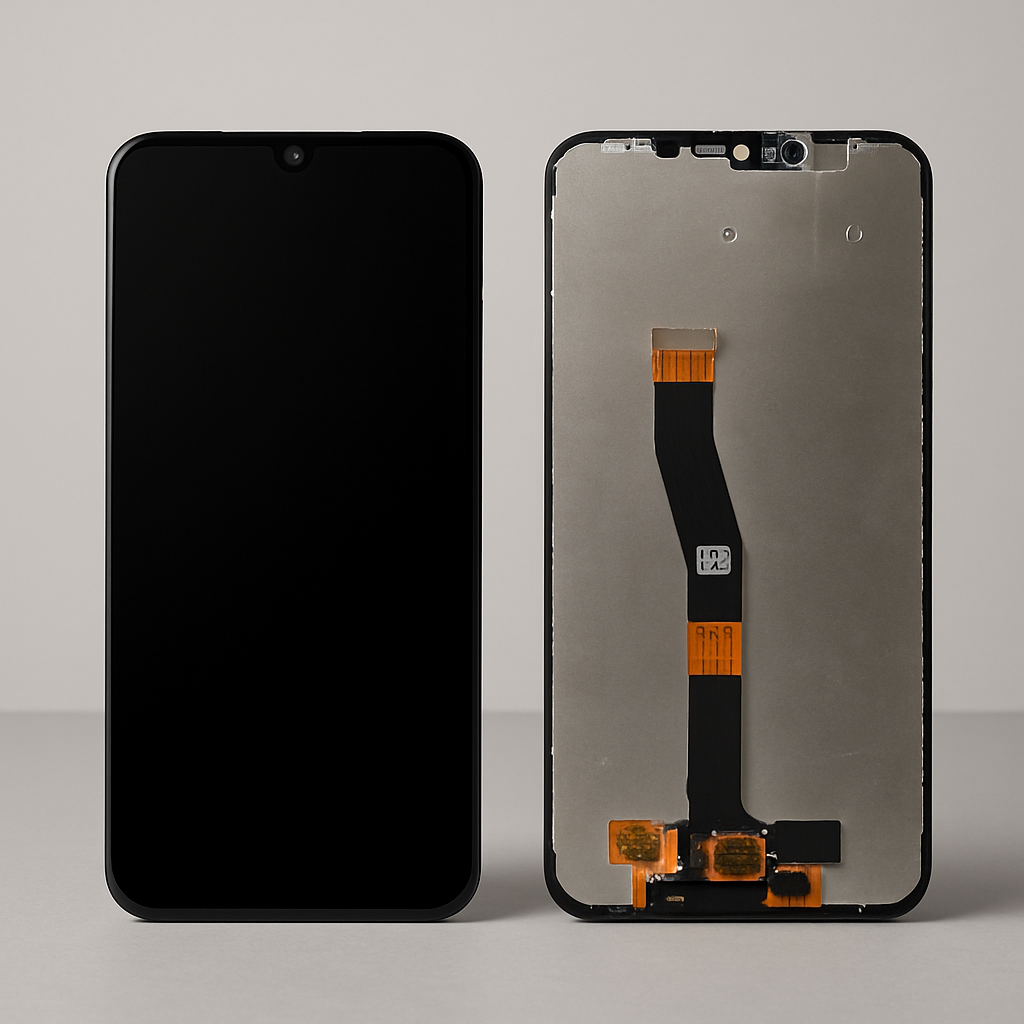
A broken screen is one of the most common reasons for coming to a service centre, so having modules for popular models in stock directly determines the speed and volume of jobs completed.
Batteries for mobile devices

Battery replacement is a steadily recurring request, especially for devices more than two years old, and keeping batteries for popular models in stock means not losing clients to a wait for an order.
Charging ports and flex cables
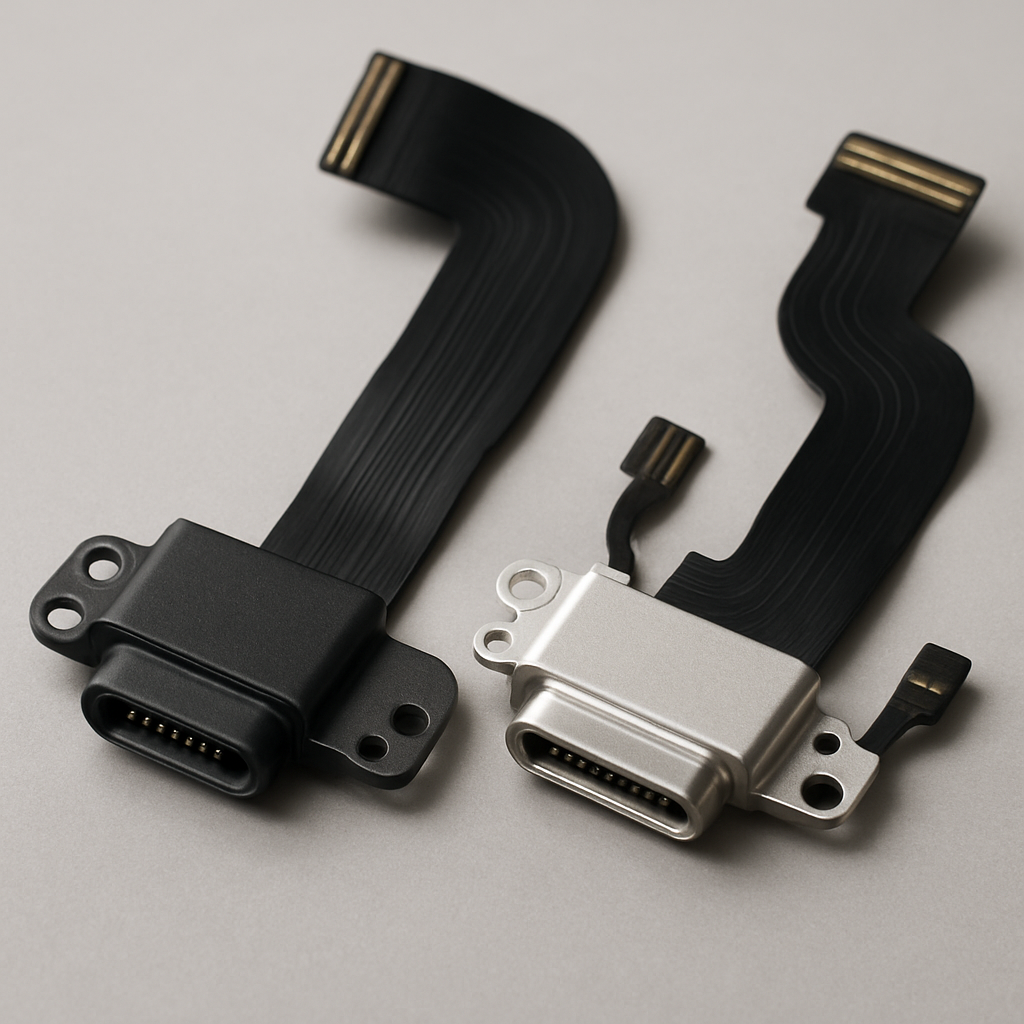
Small but critical components that often fail through mechanical wear — an inexpensive category with a high replacement rate.
Screen protectors and films

A companion product that it makes sense to offer immediately after a screen replacement — it raises the average order value with no significant effort from the technician.
Laptop components
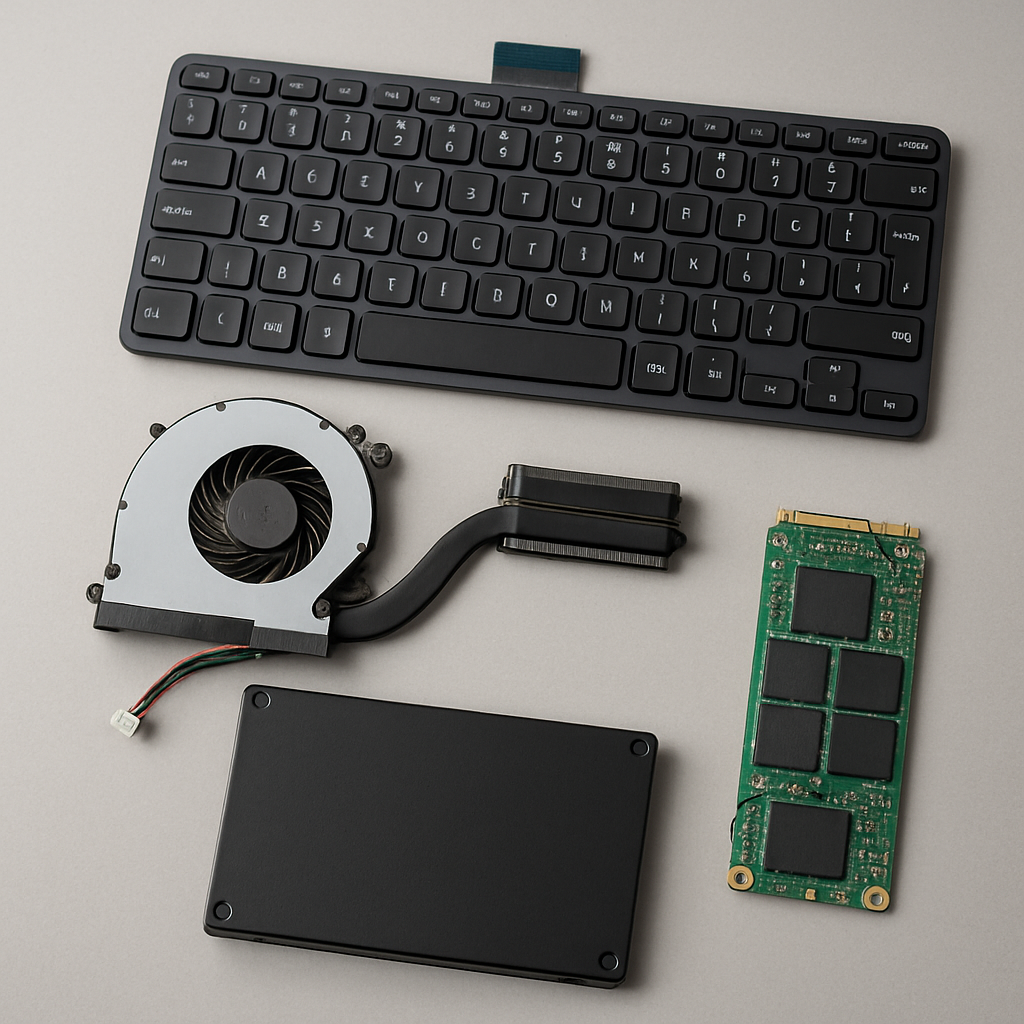
Keyboards, display flex cables, cooling fans — a more capital-intensive but consistently sought-after category for service centres with a broader repair profile.
Drives and memory modules
SSDs and RAM modules are often ordered not only for repairs but to upgrade older equipment — an additional source of jobs beyond repair work itself.
Micro-repair tools
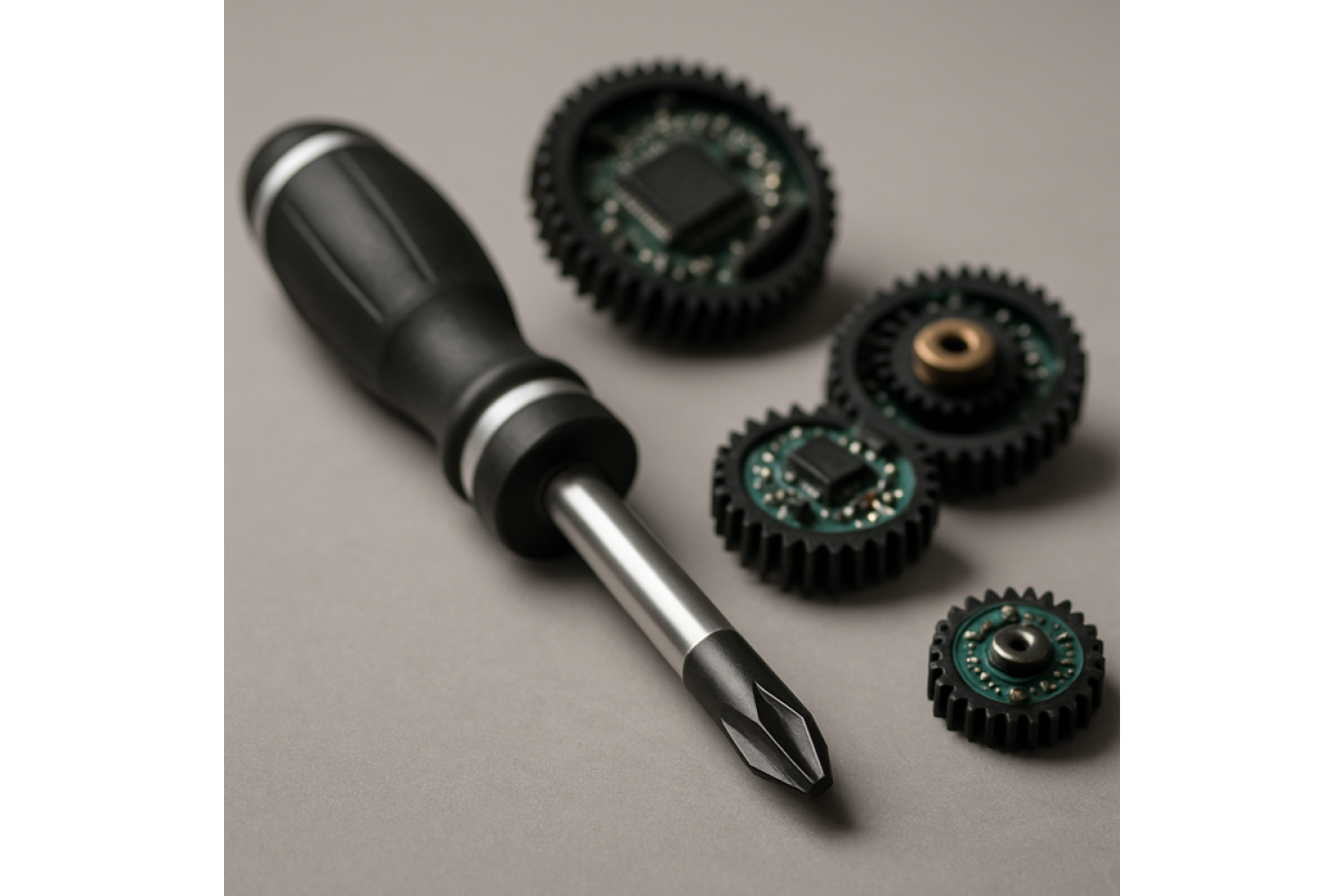
Soldering stations, magnifiers, precision screwdriver sets and suction cups for opening cases — the basic equipment of a technician's workstation, whose consumable parts need periodic replacement.
Thermal paste and thermal pads
An inexpensive but essential consumable in any repair involving device cooling — worth buying in sufficient quantity at once so the process is not held up by a trifle.
Case parts and fixings
Back covers, frames, small fixings — often ordered separately from the main repair, especially for damage caused by dropping a device.
Diagnostic equipment
Programmers, board testers and specialist diagnostic cables — an investment that pays off by cutting the time needed to identify a fault.
Components for household appliances
For service centres with a broader profile — heating elements, pumps and sensors for washing machines and other large appliances, demand for which is especially noticeable in the season when those appliances are used heavily.
How to assess a components supplier
For a service centre it is critical that components are precisely compatible with specific device models — an error in a delivery, even of a similar but not identical part, means the job stalls and the client has to be contacted again.
The second important point is the speed of repeat delivery for urgent jobs. Clients of service centres often expect a same-day repair, and having consumables for the most common models in stock directly affects the centre's competitiveness.
It is also worth establishing whether the supplier provides warranty cover on components — this protects not only the service centre itself but also serves as an additional reason for the end client to trust it.
A sensible strategy for a new service centre is to buy consumables for the most widespread device models in its catchment area first, and to introduce more specialised components into the range as statistics on typical requests accumulate.
