
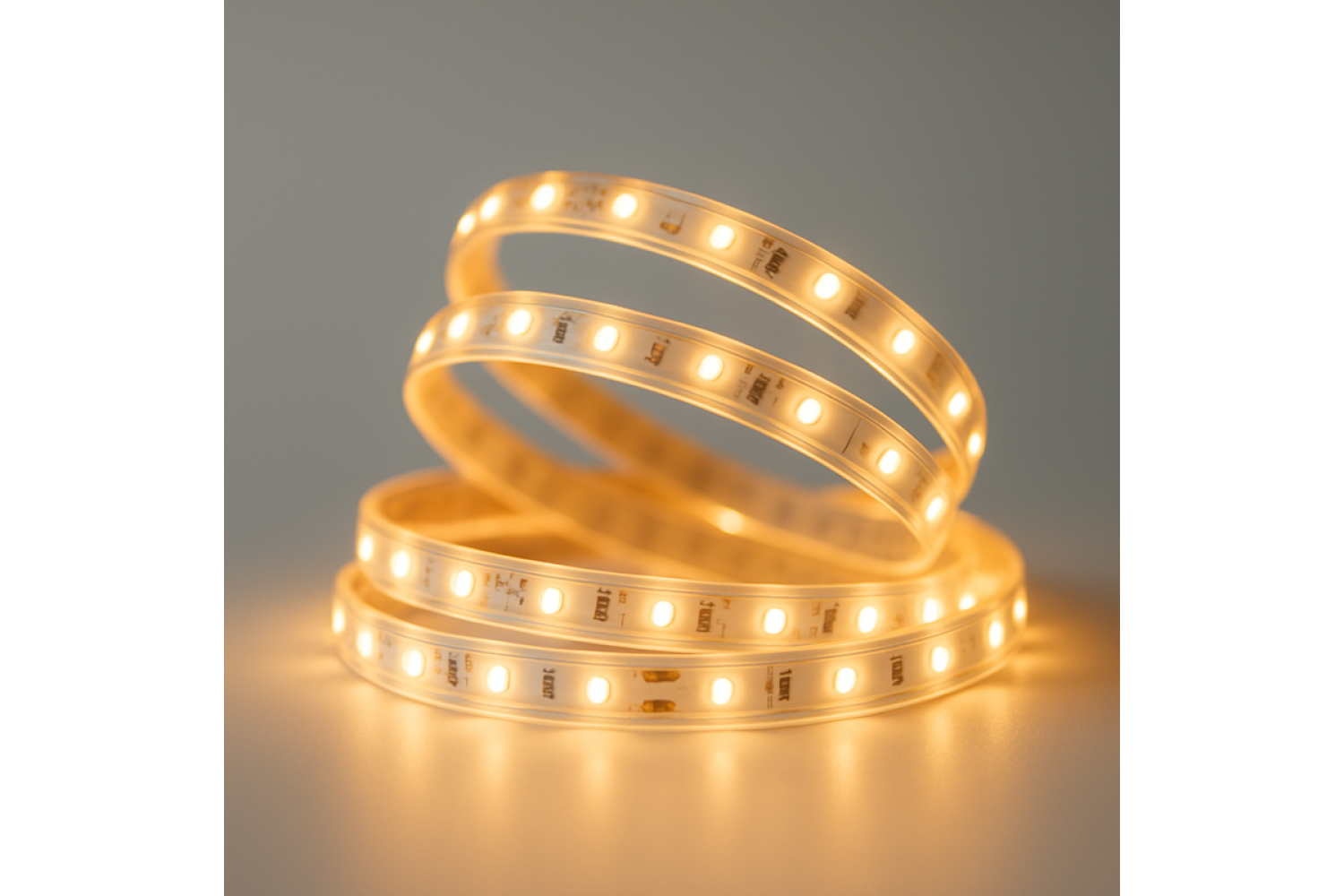
LED lighting has grown from a single line item into a retail direction of its own, because LED products have displaced almost every alternative — from incandescent bulbs to part of the halogen and fluorescent range. For a wholesale buyer this means steady and growing demand, but also a demanding end customer: a strip that fails after a month or a flickering driver quickly becomes a return and a loss of trust in the shop. So the range here should be built not on the principle of "buy the cheapest", but with an eye on the fact that some items are consumables bought again and again, while others shape the impression of the shop as a whole. Below are the main product groups that create steady turnover in this niche, and what to watch for at the supplier selection stage.
Core LED range
General purpose LED strips
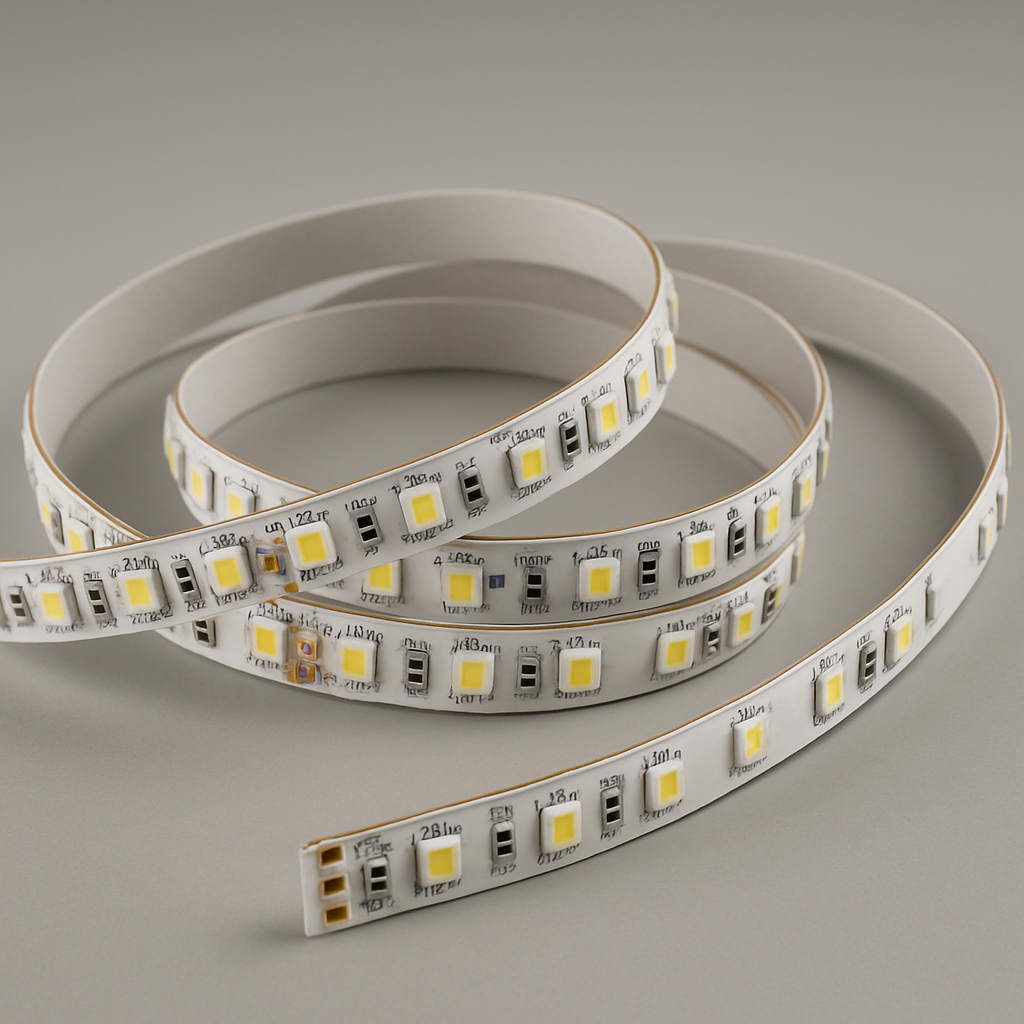
The base item of the category — flexible 12 or 24 volt strips on standard length reels. Demand is even all year rather than seasonal, since they are used in renovation, in decor and in commercial interiors. For retail it is important to carry several brightness levels and colour temperatures (warm, neutral, cool white), because a mismatch between the shade and the customer's expectation is a frequent reason for returns. Strips with a waterproof coating are worth stocking as a separate item: they cost more but cover use in the kitchen, the bathroom and outdoors.
RGB and addressable strips (RGBIC / WS2812B compatible)
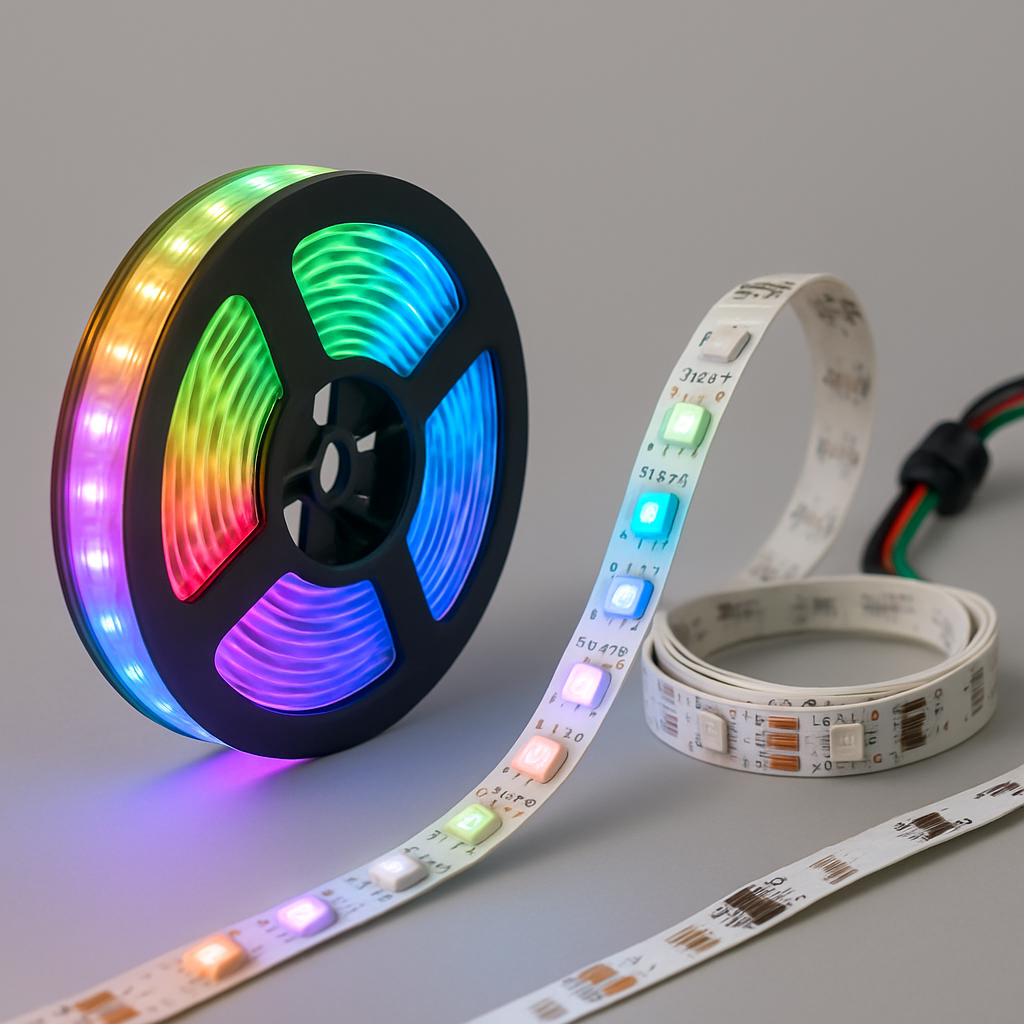
Colour-controlled strips with a "running wave" effect are one of the fastest-growing subcategories thanks to their popularity with a younger audience and gamers decorating a desk or a room. Here the customer is more often willing to pay extra for app or remote control, so margins are usually higher than on basic strips. It is important to understand the difference between simple RGB (the whole run in one colour) and an addressable strip where each LED is programmed individually — these are different price segments and different audiences.
LED panels for suspended and stretch ceilings
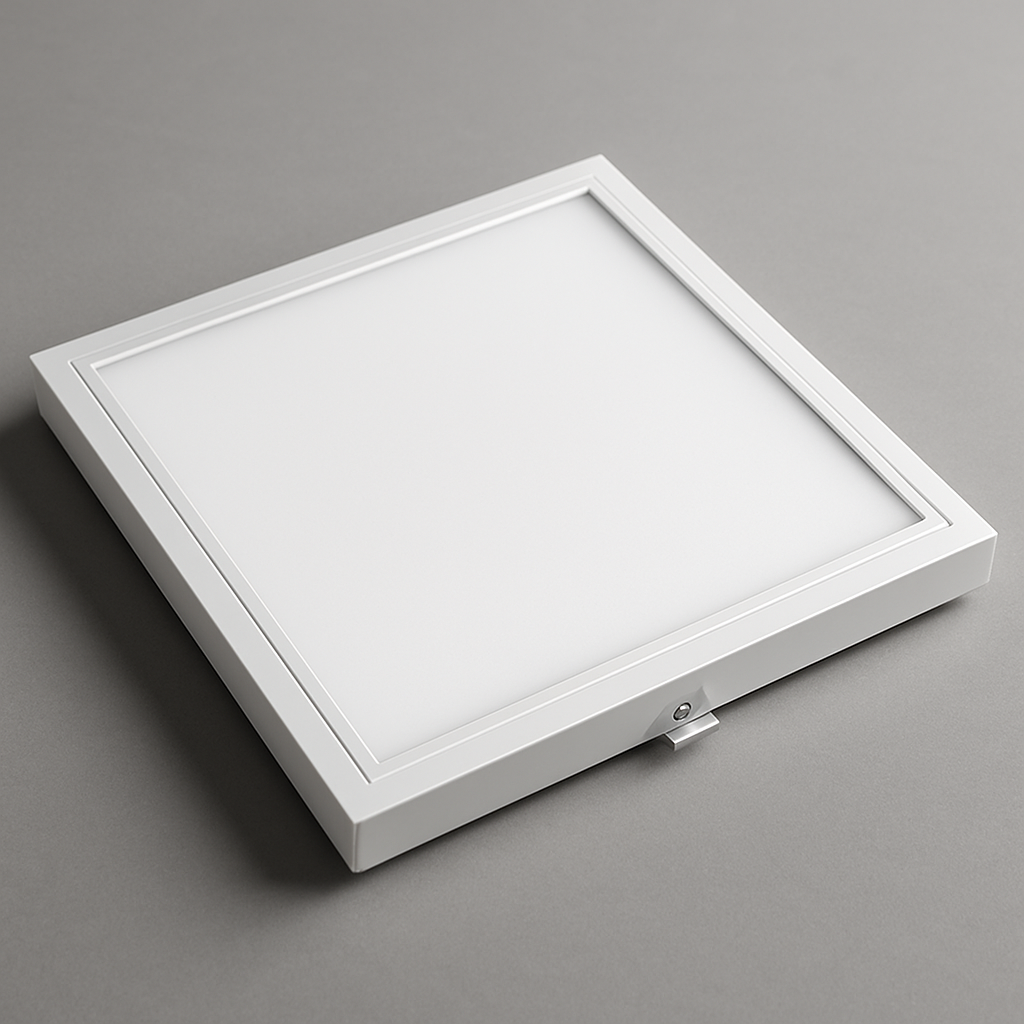
Flat square or rectangular panels are in demand among those doing small renovation work or maintaining office premises. This is a bulkier and less impulsive purchase than a strip, but it works well with professional buyers — renovation contractors and small building crews who buy in batches for a site.
Downlights and spotlights
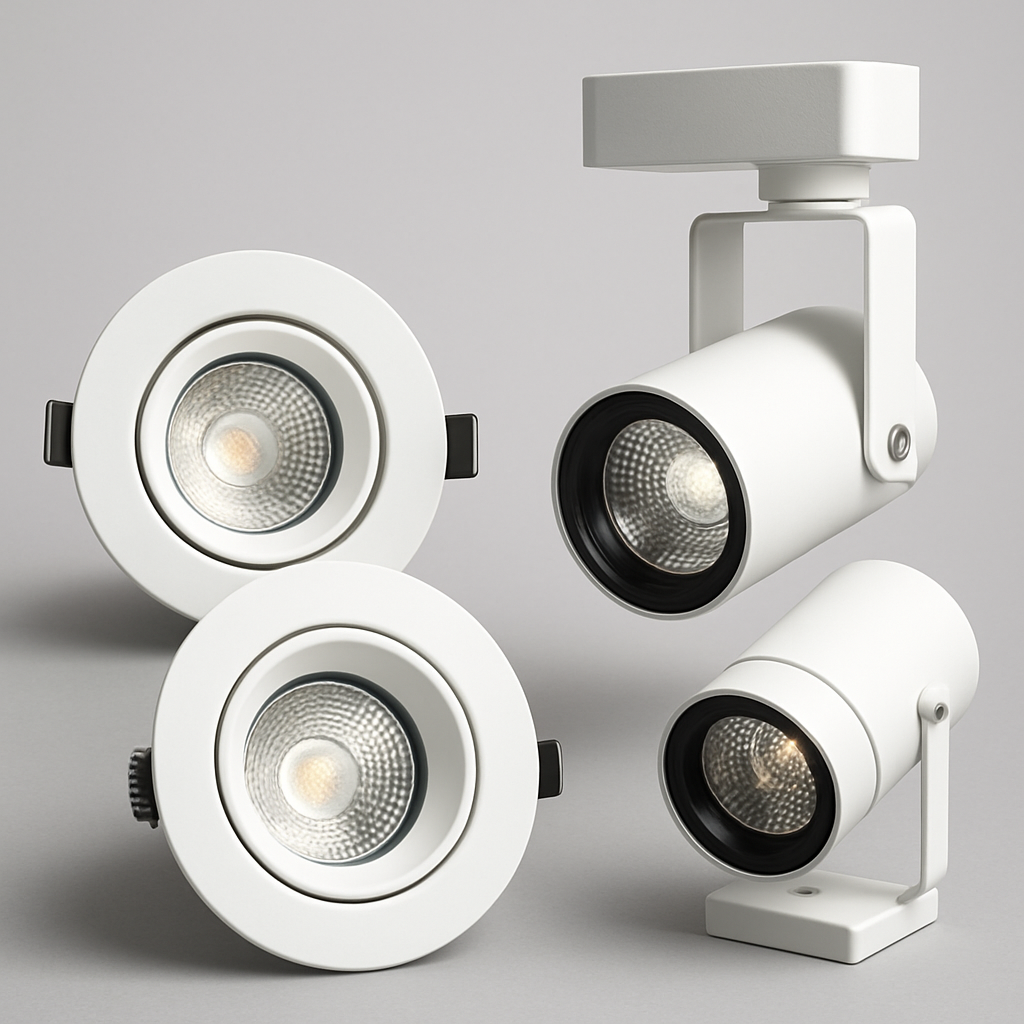
Recessed and surface-mounted spots remain one of the most predictable items in the category — they are bought both by private customers lighting kitchens and hallways and by contractors for commercial premises. It is important to offer different mounting options (recessed, surface, adjustable), because ceiling types and customer tasks vary considerably.
LED floodlights
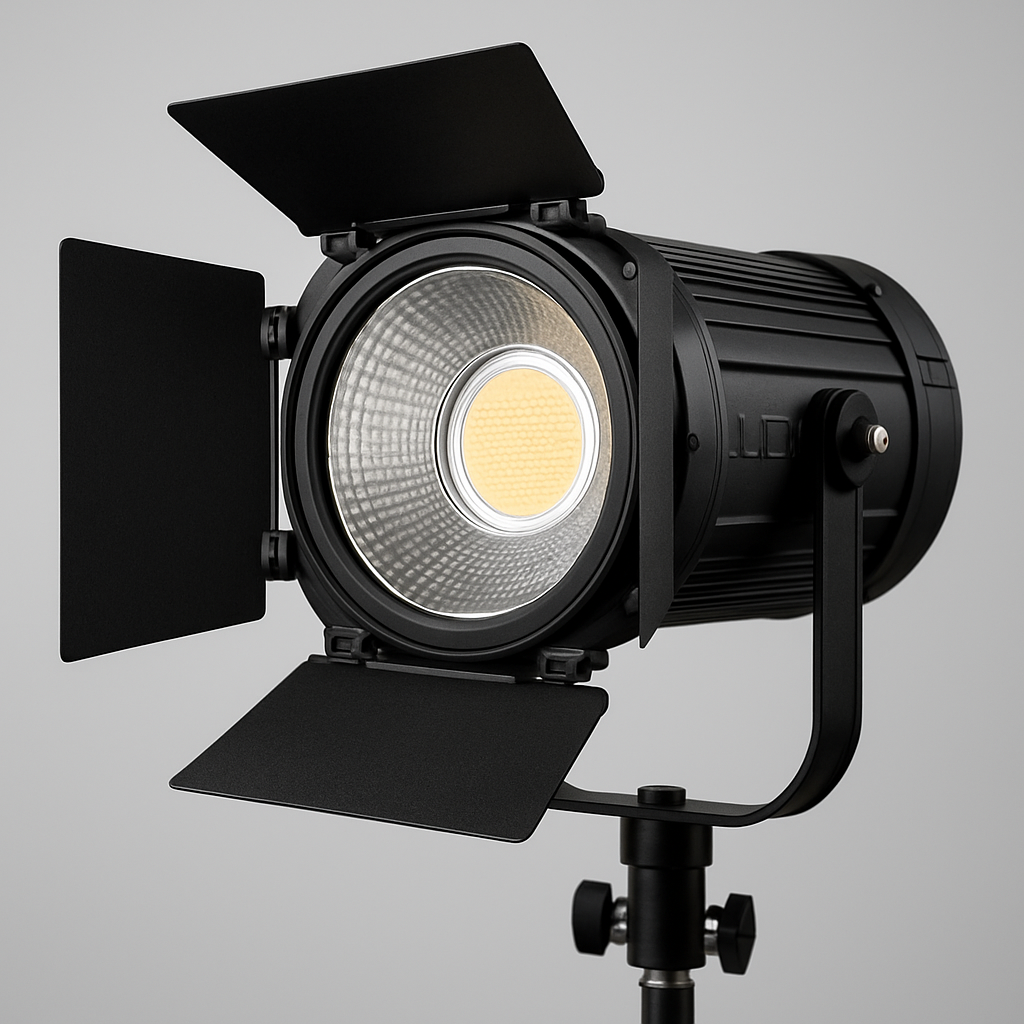
Compact medium and high power floodlights are bought to light yards, warehouses, facades and temporary construction sites. This item leans towards wholesale rather than one-off purchases — floodlights are often taken by the batch for secured sites or commercial property, which makes the category convenient for working with B2B clients directly.
String lights and decorative LED lighting
Despite the obvious seasonality around the winter holidays, the modern range of string lights has long outgrown the New Year — they are used to decorate cafés, summer terraces, shop windows and events all year round. It is worth keeping classic string lights separate from the more decorative formats (curtains, nets, icicle strings), since they cover different use cases.
LED bulbs for standard fittings
Bulbs with E27, E14 and GU10 caps are the highest-volume and most predictable item — essentially an everyday purchase rather than an impulse one. The margin here is usually lower than on decorative items, but turnover is higher, and bulbs often become the reason for a repeat visit to the shop.
LED drivers and power supplies
A technical but critically important item — it is the driver that most often fails first and becomes the reason for complaints about a "burnt out strip". Carrying drivers of different ratings separately from complete kits lets you serve customers who already use a strip but have run into a power supply failure.
Dimmers and controllers
Brightness regulators and controllers for colour and scene management are a companion product often bought after the main purchase of a strip or panels. Having them in the range raises the average order value and creates a reason for the customer to come back.
Aluminium profiles for strips
The profile that a LED strip sits in is a necessary accessory for a neat installation, especially in furniture and kitchen lighting. This item is rarely bought on its own, but its absence from the range pushes the customer to buy it — along with the strip itself — from another seller.
Outdoor LED luminaires
Park, wall and ground luminaires with an ingress protection rating are goods with a slightly longer decision cycle but steady demand from private households and property management companies. Here it is particularly important not to save on moisture protection, since that characteristic determines the real service life outdoors.
Automotive LED lighting
LED bulbs for the cabin and underbody lighting, LED daytime running lights — a niche but loyal audience of car enthusiasts that often overlaps with buyers of car accessories. This item works well as an addition to the main range rather than as a direction of its own.
Solar LED lights
Self-contained solar-powered lights for the garden and the grounds around a house are a growing item against the interest in energy-saving solutions. Demand is clearly seasonal, peaking in the warm months, but it fits well into the range of garden shops and DIY outlets.
Neon flex
Silicone neon that imitates classic neon signage but runs on LEDs is popular for signs, shop windows and interior decor. This is a more image-driven, eye-catching item that sells well through a demonstration of the finished result rather than a dry list of specifications.
How to assess an LED supplier on the first order
The main risk in this category is not the look of the product but its technical parameters, which cannot be checked by eye: the real colour temperature, the actual power, the service life of the driver. It makes sense to request test samples before a large order and to run them in real conditions for several days of continuous operation rather than a single switch-on. It is also worth clarifying the warranty terms for drivers and power supplies separately from the strip or luminaire itself, since this is the most vulnerable part of the assembly. It is sensible to build a small allowance for defects into the first order — in this category it runs higher than the average for non-food goods, and it is better to plan for it than to deal with customer claims after the fact.
The LED lighting category rewards those who build the range as a system: base fast-moving items provide turnover, while the more complex and decorative ones provide margin and repeat sales through companion goods such as controllers and profiles. It is sensible to start with the 10-12 most universal items, gradually adding niche directions as you get to know your audience.
