
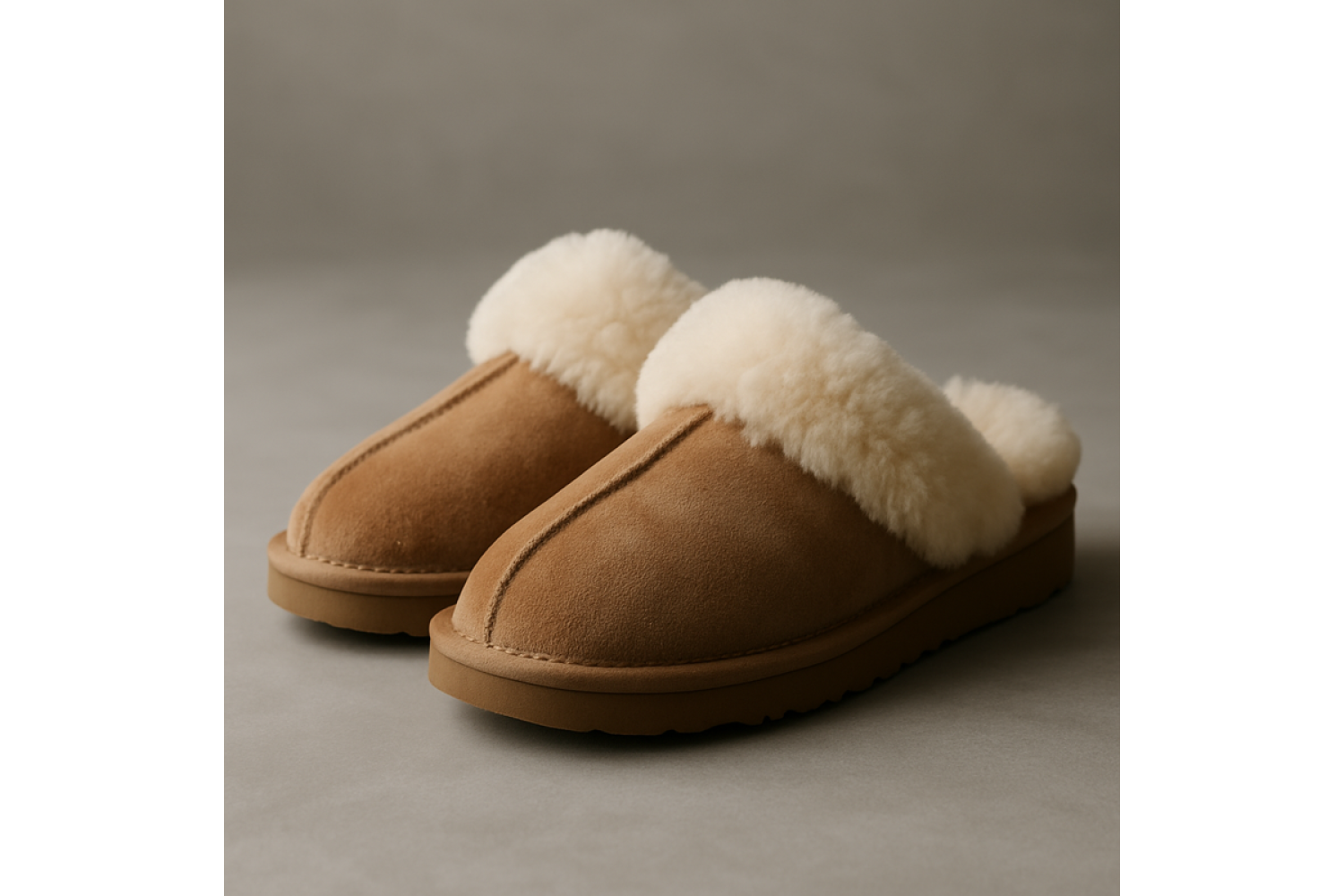
An underrated category with reliable turnover
Indoor footwear rarely becomes the centrepiece of a shop's range strategy, but that is exactly where its strength lies: the category is barely subject to fashion cycles, takes up little warehouse space and is bought regularly rather than occasionally. Slippers wear out physically rather than going out of style, so the repeat purchase cycle is predictable and independent of trends. Below are the main product lines for building a compact but steadily turning range.
Open slip-on slippers
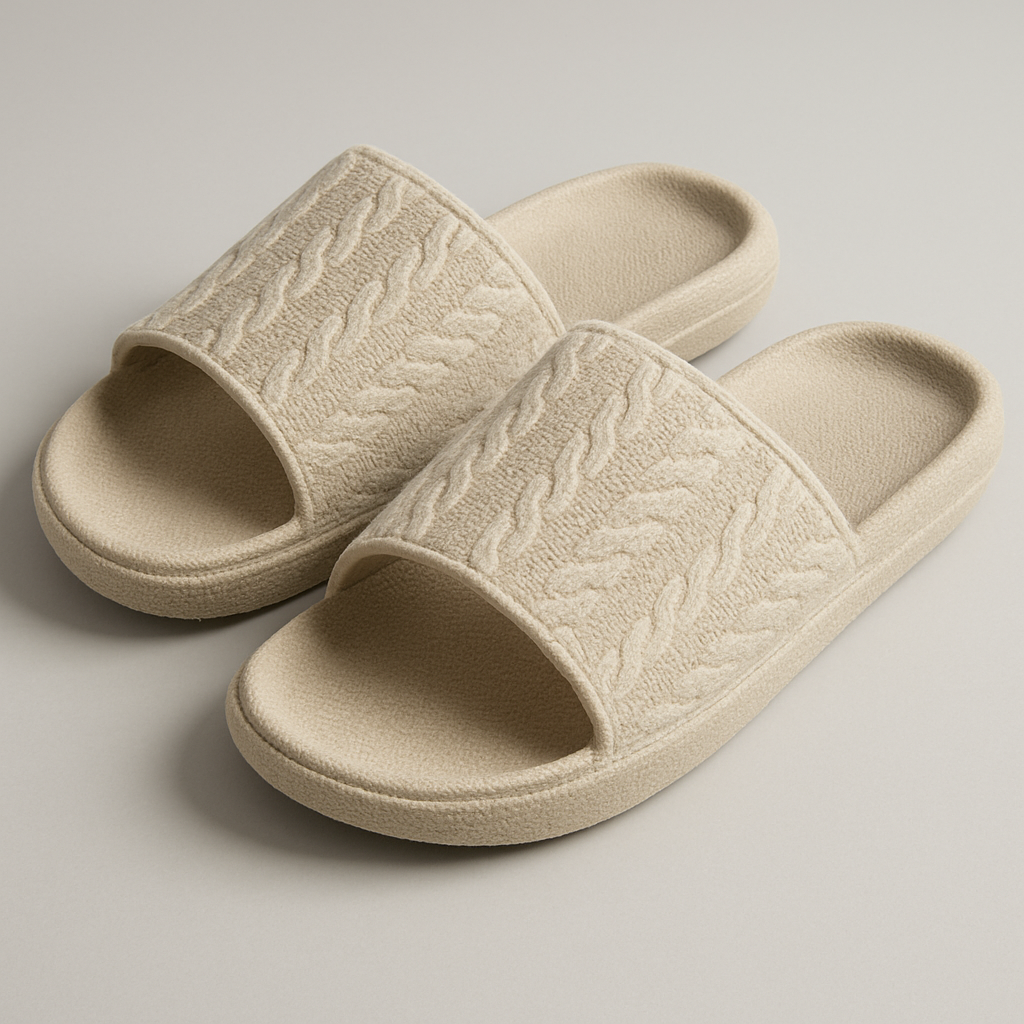
The simplest and most affordable model, in demand as basic indoor footwear for the warm season and for indoor use all year round. The lightness of the construction makes this item convenient for a quick wholesale order in a large batch without major investment. Sells well both in specialist footwear outlets and in homeware shops as a companion product.
Closed slippers
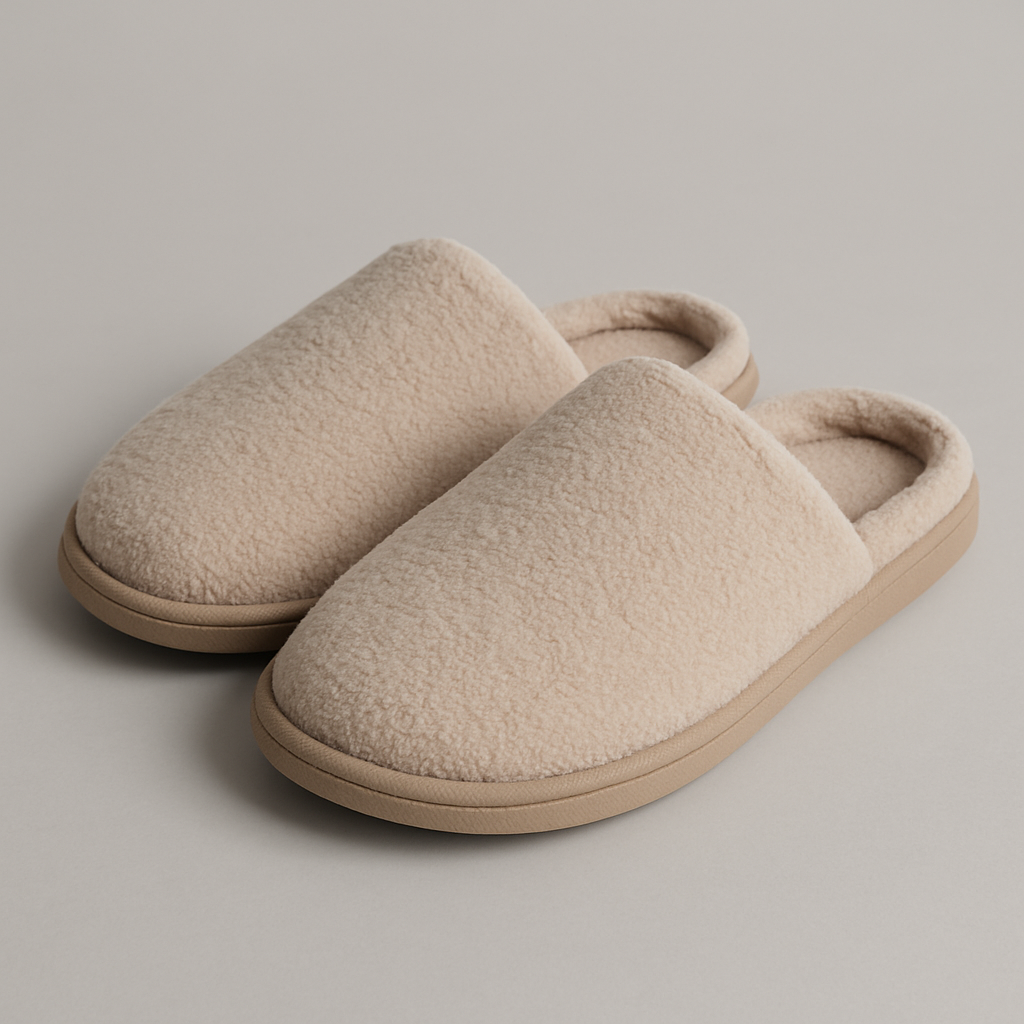
A warmer option, in demand in the cold months and among customers who value extra protection for the foot. Often fitted with a non-slip sole, which is particularly appreciated by older customers. Because more material goes into them, this item sells at a higher price than open slip-ons at a comparable cost.
Open-heel slippers
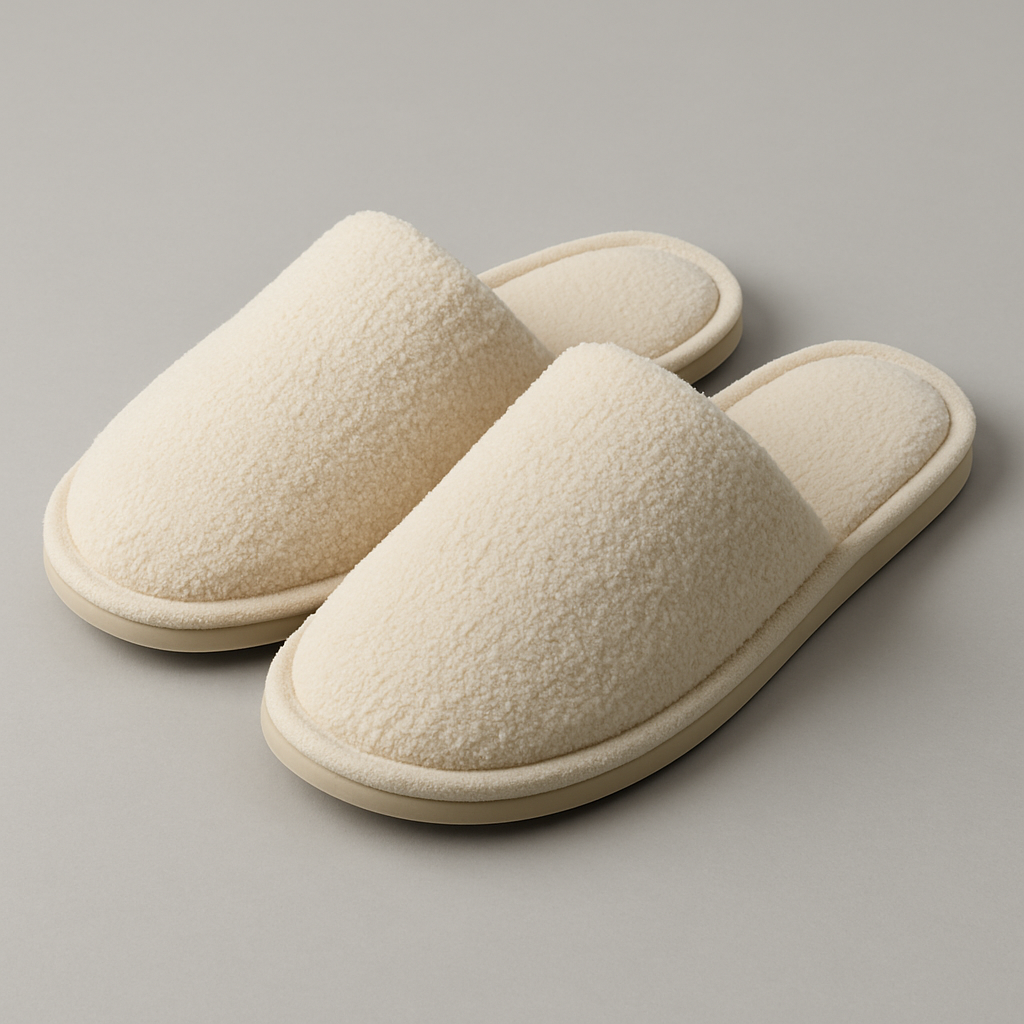
An intermediate option between slip-ons and a fully closed model — it gives more support to the foot than a slip-on while remaining light and well ventilated. In demand among customers looking for a compromise between comfort and practicality. Sells well in the shoulder seasons, when a fully closed model already feels too warm.
Bootie slippers
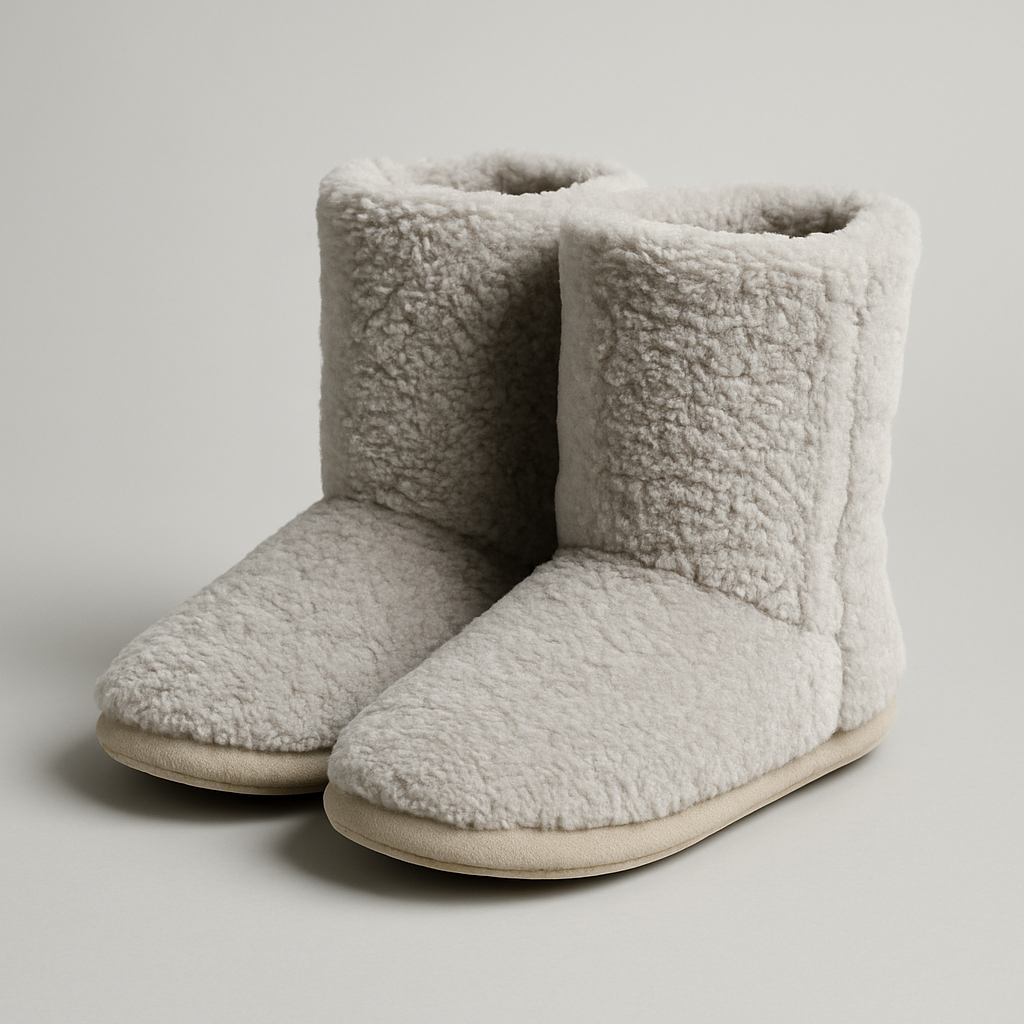
An insulated model with a higher shaft, aimed at the cold season and at customers who want warmth not only for the foot but for the ankle too. Often fitted with fur or heavy fleece inside. Sells well as a gift item ahead of the winter holidays.
Animal slippers for children
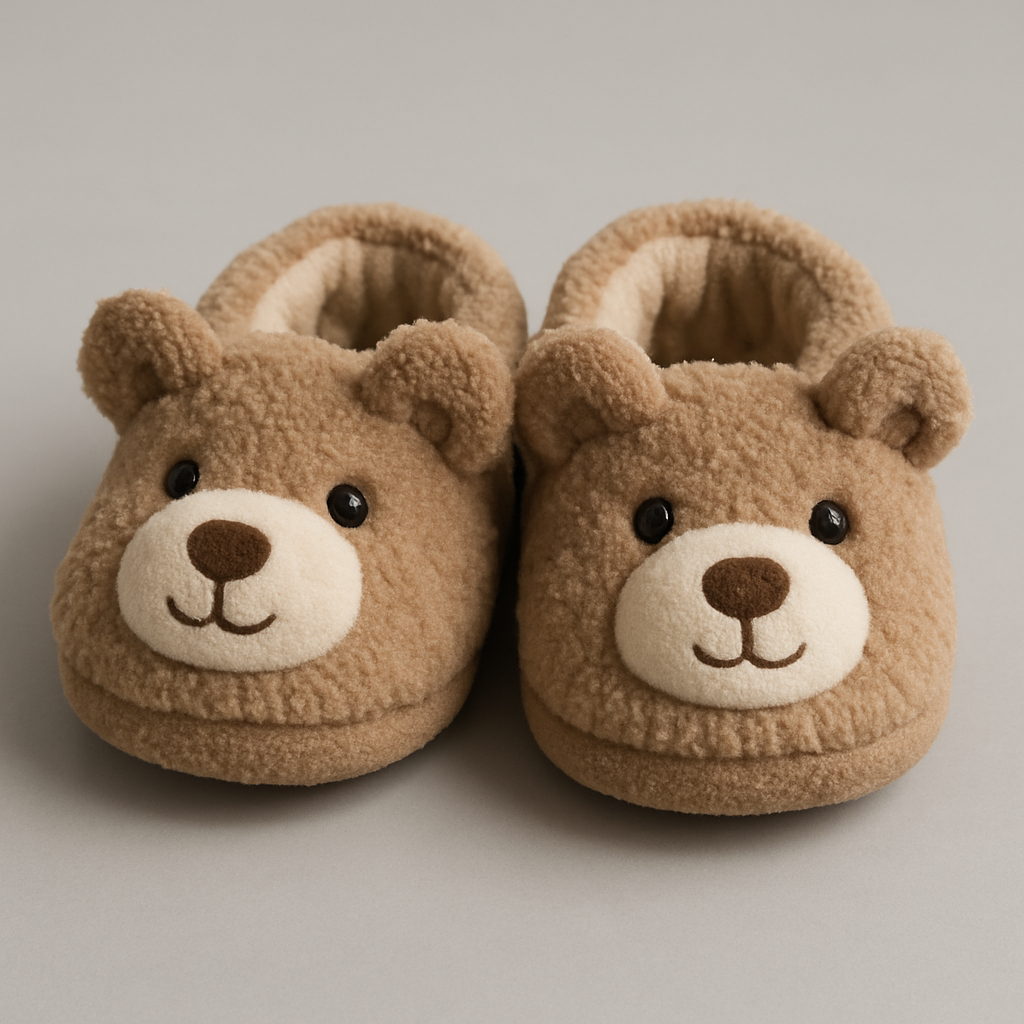
A themed children's category where design plays no less a role than function — a child wants slippers that are not just comfortable but "interesting". Sells well as an item in its own right and as part of a small gift set. Seam strength and the quality of the attachment of decorative elements matter particularly here, since children wear footwear less carefully than adults.
Rubber bathroom slippers
A specialist item with a clear practical purpose — protection from slipping on a wet surface. In demand not only for private use but also in the hotel and wellness segment. The simple construction and low cost make this item convenient for broad wholesale buying.
Hotel and spa slippers
A disposable or semi-disposable model aimed at the B2B segment — hotels, health resorts, spas — rather than at direct retail sale. Bought in substantially larger volumes per order than retail models, which makes this item attractive in terms of the size of a single deal. A simple design and minimal cost are the segment's key requirements.
Felt-soled slippers
A more premium indoor footwear category aimed at customers willing to pay more for tactile comfort and material durability. Felt provides better temperature regulation than synthetic materials. Suits shops working in a slightly higher price segment of homeware.
Massage slippers
A niche category at the junction of indoor footwear and health products — the textured insole is presented as a means of stimulating the feet. In demand among an audience interested in health and prevention products, which makes this item convenient for shops of that profile. Sells at a higher price than ordinary slippers thanks to the added function.
Unisex slippers
A universal model with no pronounced gendered design, simplifying range building for shops with limited space — a single model covers a broad audience at once. Practical for hotel and corporate use, where uniformity matters. Usually produced in a neutral colour palette.
Eco textile slippers
A growing niche for customers oriented towards natural materials and conscious consumption. Cotton and linen as the main material provide good breathability, which is especially valued in the warm season. Suits shops positioning themselves in the eco-friendly homeware segment.
A compact category with high turnover
One of the main operational advantages of slippers as a product category is the minimal demand on warehouse space at a steady rate of turnover. Unlike outerwear or furniture, indoor footwear needs no complex storage and takes up little shelf space, which allows a wider size and colour range without materially increasing logistics costs. That makes the category a convenient entry point for shops just starting to work with a footwear or textile range — the risk of dead stock here is lower than in most other clothing and footwear categories.
How to build the size and colour range
Unlike outdoor footwear, where size accuracy is critical, indoor footwear allows a wider fitting range — most models have elastic or a stretch upper. That simplifies buying: instead of a fine size grid, 3-4 combined sizes are enough to cover almost the whole adult audience. The colour palette, by contrast, calls for more attention — neutral tones (grey, burgundy, navy) sell more steadily than bright seasonal colours and make a sensible basis for a first order.
Conclusion
Slippers are a rare example of a category where minimal investment gives a predictable, steady result with no need to follow fashion trends. For a first wholesale order it is sensible to concentrate on a few basic models — slip-ons and closed slippers in neutral colours — and gradually add specialist lines (children's, massage, for the hotel segment) as the buyer profile of a particular outlet becomes clear.
