
A kids clothing shop starts with choosing an age. Clothes for a baby, a pre-schooler and a schoolchild are three different ranges with different sizes, requirements and customers, and covering all of them at the start is not realistic. The second thing to settle early is documents: requirements for children's products are stricter than for adults', and questions about composition and safety are put to the supplier before payment, not after a customer complaint.
In brief
- Choose one or two age groups: the size run multiplies the stock for every model.
- Turnover rests on everyday items bought every season because the child has grown.
- Footwear, backpacks and baby textiles raise the basket value and need no fitting room.
- Documents on composition and safety are requested before payment, especially for products for children under three.
- There are four seasons, and each is ordered 2–3 months before selling starts.
Customers and sales format
An adult pays and a child wears, so the purchase has two criteria: the parent looks at composition, size and how the item washes, the child at colour and print. Parents buy regularly: clothes become too small every season. The second group is gift buyers: grandparents, family friends, colleagues. They do not know the exact size and choose what needs no trying on: a muslin, bibs, a backpack. The third group is nurseries, studios and clubs that need identical items in quantity.
A physical shop serves the neighbourhood: it needs room for a pushchair, a fitting room and a display by size rather than by model, because a parent looks for "size 110", not "the blue one". An online shop and a marketplace remove the cost of premises but require an accurate size chart: the child's height in centimetres and, for footwear, the insole length. Without it, children's clothing is returned more often than any other. State the composition and age in the listing.
Starter range: core lines and trial lines
Everyday clothing. The core is everyday jersey: vests, T-shirts, underwear, clothes for nursery and home. They are bought several at a time, and customers return for the next size. Calm colours and a complete size run matter more here than a wide choice of models. Add occasion wear and outerwear as trial lines: they cost more, take up space and depend more on the season.
Footwear. The second group by purchase frequency: feet grow faster than a pair wears out. In summer that means sandals, between seasons wellington boots. Take models with a wide size run and a fastening the child can manage alone.

Kids sports sandals with hook-and-loop straps, sizes 21–35: one model covers ages from toddler to early school years.
Baby textiles. Muslin swaddles and bibs have no size, so they are readily bought as a gift for a newborn. This is a year-round group: children are born in every season.

Muslin swaddle blanket in organic cotton: an item with no size that is chosen as a gift for a newborn.
Accessories. Backpacks and children's bags are what the child picks while the parent looks at clothes. Demand rises before the school year and the travel season.

Mini backpack with a dinosaur for ages 2–4: a first bag of one's own for nursery and a bright spot in the display.

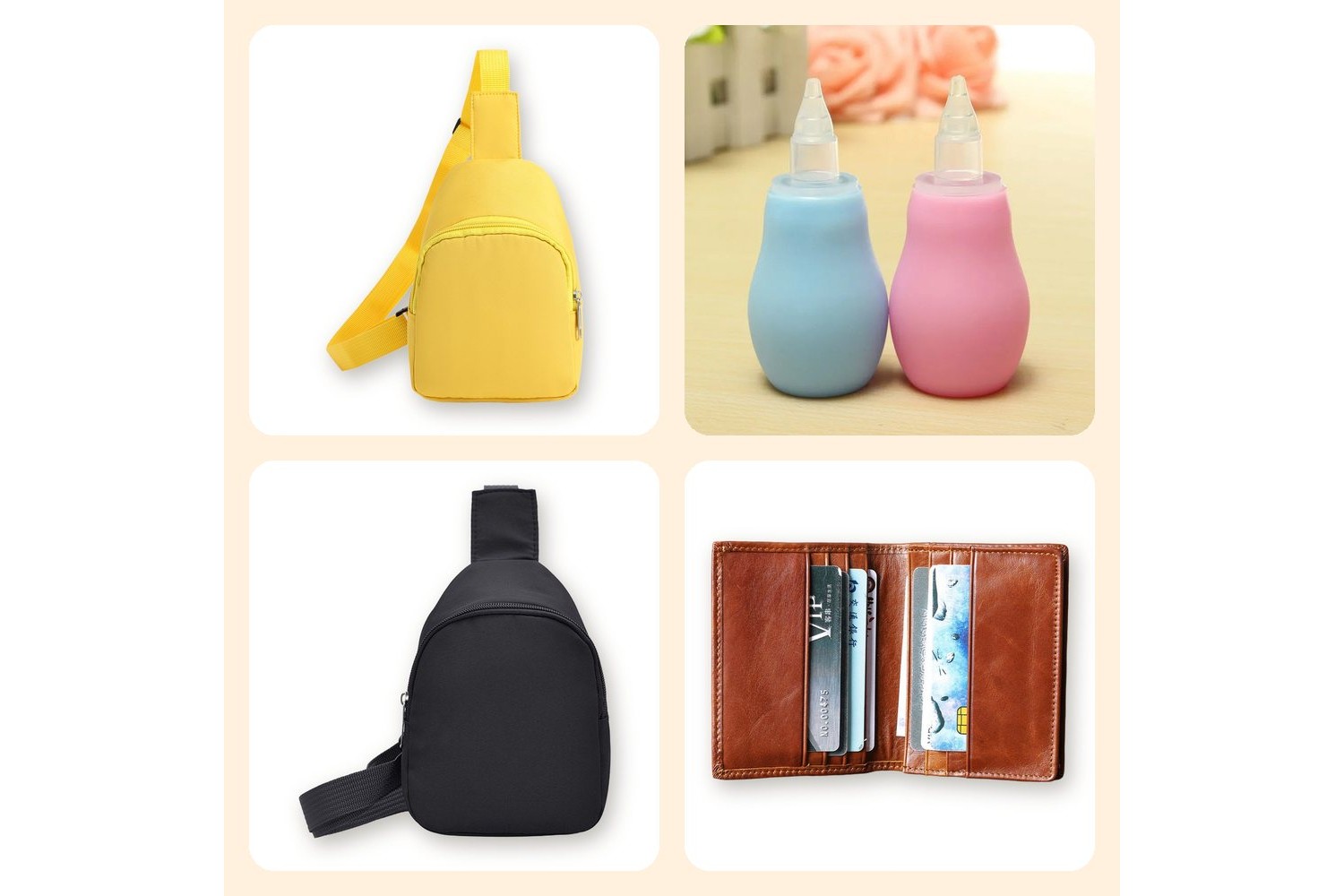
Kids nylon crossbody sling bag with a zip: a light accessory for outings that works as an add-on to the main purchase.
The lines that shops in this niche order most often are covered in the article on where to start when buying kids clothing wholesale.
What the start-up budget consists of
The amounts depend on the format and the town, but the structure of stock costs is much the same everywhere:
- core clothing in the chosen age groups: every model in all sizes of the run;
- seasonal footwear with depth in the most common sizes;
- unsized goods: baby textiles, backpacks, bags;
- trial lines in small quantities: occasion wear, outerwear;
- delivery, which is calculated for the specific batch;
- a reserve for reordering the sizes that sell out first and for marking down leftovers at the end of the season.
Rent, registration, the till, the fitting room and advertising are budgeted separately. The main difference in this niche is the size run: one model in six sizes and three colours is eighteen stock lines. A narrow range in one age group therefore costs less and sells more evenly than a wide one for all ages.
Supplier and first order
EnjoyCommerce supplies companies and sole traders in EU countries. The minimum order value is 500 EUR net per item, so clothing, footwear and accessories can go into one order, each item from 500 EUR net.
- Read the buyer's guide and complete wholesale registration: net prices by volume tier become visible afterwards.
- Draw up a list: model, colour, sizes, quantity per size. State straight away which product documents you need. The manager prepares a quotation and calculates delivery for the batch.
- Agree the quotation and receive a pro forma invoice. Payment is by bank transfer in EUR or PLN.
- The goods are dispatched or produced and go through quality control before shipping. Ask for sizes against the chart, seams, the attachment of poppers and appliqués, and the labelling to be checked.
- After dispatch you receive a tracking number and documents. Put the delivery times and terms into the seasonal calendar: delivery takes an estimated 20–60 days.
Invoices are issued by a Polish company with an EU VAT number. For EU companies with a valid EU VAT number, an intra-Community supply (reverse charge) is possible; your accountant will advise how to record it.
Documents and product requirements
Business registration, taxes and trading rules depend on the country; check them with your accountant or the local authority. Product requirements are common across the EU and stricter for children's products. Under the General Product Safety Regulation (GPSR), the product or its packaging carries the details of the manufacturer and of the responsible person in the EU. Clothing carries the fibre composition in the language of the country of sale; customers also look for size, age and care instructions on the label.
Children's clothing has its own risk areas. Cords and drawstrings around the neck and hood are restricted by European safety requirements. Small parts such as poppers, buttons, rhinestones and appliqués must be firmly attached, especially on items for children under three. Materials and dyes are subject to chemical safety requirements. Some related goods fall into other categories: toys require CE marking, and feeding products are covered by the rules on food contact materials. Ask the manager which documents exist for a specific item and request them before payment; without documents, leave the item out of the range.
Seasonality and the buying calendar
Children's clothing sells all year but changes four times. Spring calls for light jackets and wellington boots, summer for vests, T-shirts and sandals, late summer for clothes and backpacks for nursery and school, autumn and winter for warm clothing and footwear. Sales of gift lines rise before Christmas.
Seasonal goods are ordered 2–3 months ahead: summer stock at the end of winter, school stock at the end of spring, winter stock in summer. Year-round groups, core jersey and baby textiles, are replenished as they sell. At the end of the season leftovers are marked down: by next year the child will have grown, and there is no point in storing them.
Common mistakes at the start
- Taking every age from birth to teens and ending up with a thin layer in each size.
- Ordering models without a full size chart and facing returns.
- Not requesting documents for products for children under three.
- Bringing in seasonal clothing when the season has already begun.
- Stocking occasion wear instead of everyday items: it is bought rarely.
Frequently asked questions
What is the smallest amount I can start with?
The minimum order value is 500 EUR net per item. It can be a combined batch, so clothing, footwear and accessories are ordered together.
Which age group should I start with?
The one that lives near you: in a new residential area that means babies and pre-schoolers, next to a school it means schoolchildren. One or two adjacent groups let the customer come back for the next size.
Which documents should I request for children's products?
Information on composition, declarations and certificates of conformity with EU requirements for the specific category, and the data for labelling. The list depends on the product; request it from the manager before payment.
Can I order a trial batch?
A sample or a small trial batch is available by agreement with the manager. For children's clothing it is a way to check whether sizes match the chart and how the item looks after washing.
Choose an age group, draw up the size grid and select items in the section of goods for kids clothing shops. Once it is clear what sells steadily, those products can be sold under your own name; that is the subject of the article on building your own kids clothing brand.
