
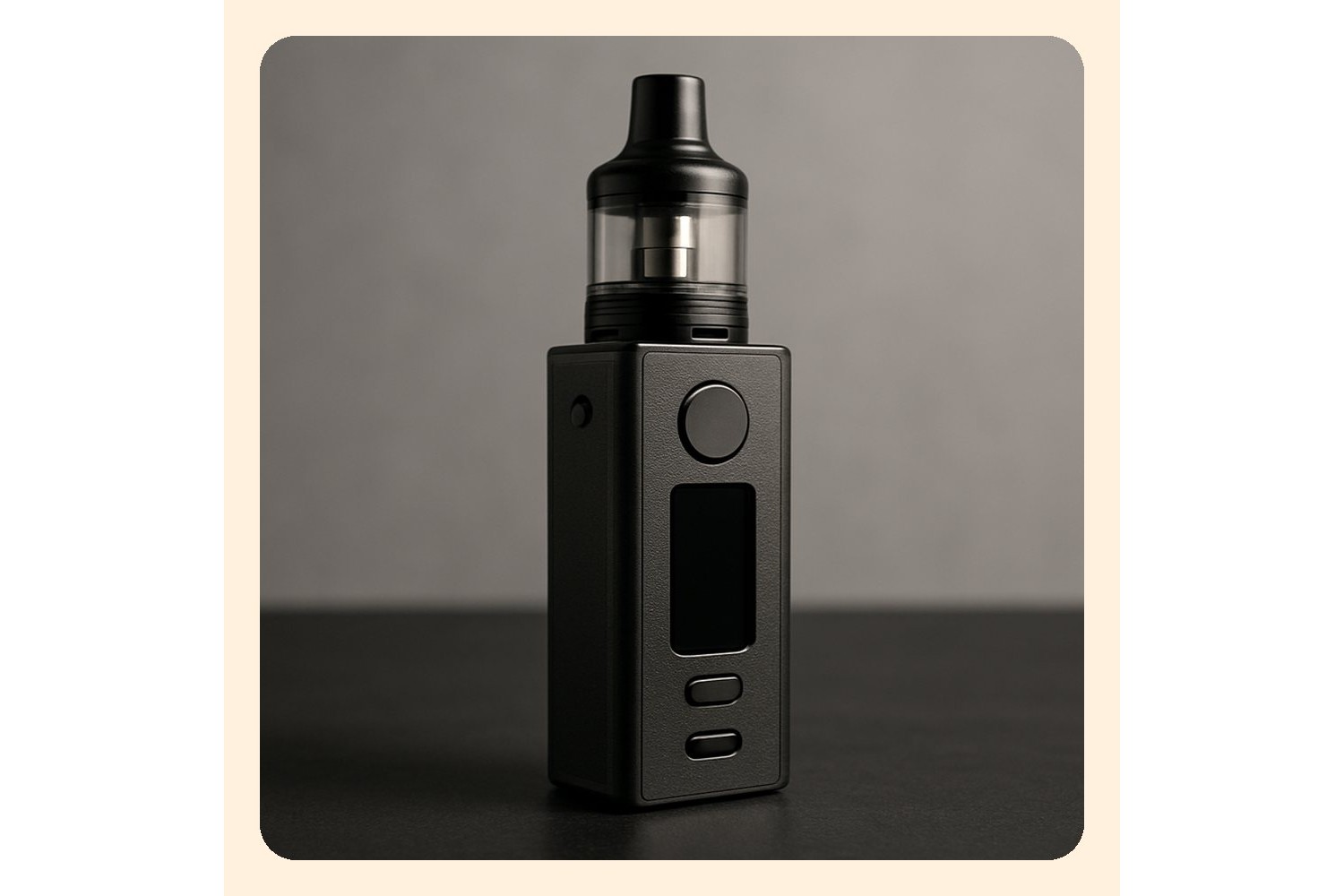
A tobacconist shop starts with permits, not with stock. The sale of tobacco, nicotine-containing liquids and electronic cigarettes is regulated separately in every EU country: licences, excise duty, age limits, bans on advertising and distance selling. That part is settled with the local authority and an accountant, and the goods themselves come from authorised distributors. The other half of the business needs no tobacco licence: lighters, ashtrays, cigarette cases, pouches, gifts and small items at the till. This article is about that half – how to build the side range and place a first wholesale order.
In brief
- Tobacco, nicotine liquids and e-cigarettes may only be sold with permits under national rules; this article covers the side range.
- The side range means accessories, gifts, souvenirs and till-point items that the owner selects and prices independently.
- The model is the European tabac, Trafik, estanco and tabaccheria: a small shop people visit daily for different things.
- The minimum order at EnjoyCommerce is EUR 500 net, and many items start from 1–10 pieces – enough for a trial range.
- Delivery takes roughly 20–60 days, so gift and tourist items are ordered 2–3 months ahead.
Customer and format
There are three types of customer. The first lives nearby: they come often, the purchase takes a minute, and they pick up whatever is within reach. The second is looking for a gift: something boxed and presentable – a cigarette case, a lighter in a case, a hip flask, a set. The third is a tourist or passer-by who needs a postcard, a magnet, an umbrella or a charging cable.
Formats differ too. A kiosk by a bus stop lives on footfall and a narrow range. A neighbourhood shop modelled on the tabac or Trafik adds newspapers, tickets, lottery and postal services – each of these requires its own contract with the operator. A specialist shop with a gift display works on a higher basket value and needs space for presentation. Online sales are possible for accessories only, and it is worth reading the platform rules first: Amazon, eBay and Etsy restrict many smoking-related categories.
Starting range
It is easier to build the range by group than by individual item. A selection for this type of business is in the section of goods for tobacconist shops, and the selection logic is explained in the overview of the side range.
- Lighters. Simple disposable models are the staple bought without a second thought. Refillable models in metal casings and boxed gift lighters form the second price tier.
- Ashtrays. Pocket, table and outdoor types. Table and outdoor ashtrays are also bought by cafés and hotels for their terraces – customers for larger quantities.
- Cigarette cases, pouches and holders. Items with high gift value: metal, leather, engraving.
- Gifts and souvenirs. Keyrings, hip flasks, card holders, wallets, magnets, postcards with city views.
- Small items at the till. Batteries, charging cables, playing cards, pens, umbrellas, reading glasses.
The staples are disposable lighters, pocket ashtrays and till-point items: they sell steadily all year. Gift sets, more expensive cases and souvenirs are taken on trial – a few pieces per model, to see what actually leaves the display. Other areas, from stationery to electronics, are gathered in the Wholesale for business section.
What the start-up budget consists of
The amounts depend on the country and city, but the items are the same:
- permits, fees and business registration – under national rules;
- rent and fittings: lockable display cases, a counter, the till area, stands for postcards and newspapers;
- a till and stock system, including age verification where the law requires it;
- regulated goods bought from authorised suppliers;
- the first batch of side-range goods and delivery, which is calculated per shipment;
- a reserve for reordering the items that sold faster than the rest.
The side range is the only item where the owner decides the mark-up, the depth and the timing of purchases, which makes it the place to learn how to work with stock turnover.
Supplier and first order
Accessories and gifts can be ordered in one shipment from one supplier. At EnjoyCommerce it works like this:
- Complete the wholesale buyer registration: net prices by quantity tier become visible afterwards.
- Put together a list of items and quantities and send a request. The whole process is described in the buyer’s guide.
- A manager sends a quotation with prices, lead time and delivery cost.
- Once agreed, you receive a pro forma invoice; payment is by bank transfer in EUR or PLN.
- The goods are dispatched or produced and then go through quality control before shipment.
- After dispatch you receive a tracking number and documents; the terms are set out on the page about delivery to EU countries.
Invoices are issued by a Polish company. For EU companies with a valid EU VAT number, an intra-Community supply under the reverse charge is possible.
Documents and product requirements
Business registration, the tobacco licence, excise duty and display rules depend on the country – check them with the local authority and an accountant. In some countries special rules also cover part of the accessories, such as papers and filters, so check the list before buying.
The side range has requirements of its own. Lighters in the EU are subject to safety standards, including child resistance; models that resemble toys are best avoided. Gas-filled lighters are carried as dangerous goods – discuss delivery terms in advance. Electronics (cables, chargers, batteries) need CE marking and battery documentation, and hip flasks need confirmation that the material is suitable for food contact. Under the General Product Safety Regulation, the product or packaging must show the manufacturer and the responsible person in the EU. Ask the manager for certificates and declarations before payment. Avoid accessories bearing tobacco brand logos as well: advertising bans apply to them too.
Seasonality and purchasing calendar
Staple items sell steadily and are reordered by stock level, allowing for the lead time. The gift display works in waves: the main peak is December, followed by Father’s Day and personal occasions. Tourist items – magnets, postcards, keyrings – are needed at the start of the warm season, umbrellas by autumn. Seasonal goods are ordered 2–3 months ahead: December gifts by September at the latest, summer souvenirs in February or March.
Typical mistakes at the start
- Treating the side range as an afterthought and giving it a random shelf: it should be visible from the door and from the till.
- Buying one model in a large quantity instead of ten models in small ones.
- Ordering gifts in November: with a 20–60 day lead time they arrive after the holidays.
- Not requesting documents for lighters and electronics before payment.
- Selling accessories online without checking national and platform rules.
Frequently asked questions
Can a shop sell accessories only, without tobacco?
Yes, that is an ordinary gift and convenience shop and it needs no tobacco licence. Still, check local rules for individual products: in some countries age limits apply to lighters as well.
How many items are needed to start?
A small shop needs only a few models in each of the five groups. What matters more than the number is that every group has a cheap everyday option and a gift option.
Can different goods be ordered in one shipment?
Yes. The minimum order of EUR 500 net applies to the whole request and can be made up of different items. How wholesale deliveries across the EU work is described separately.
How quickly does a reorder arrive?
Allow the same 20–60 days. For fast-moving items, keep a buffer and order ahead rather than when the shelf is already empty.
Start with a short list: a few models per group, one request, one shipment. The items are in the Tobacco and vape shops section, and once the range has settled, the next step is an own brand – covered in the article How to create an own brand of accessories for a tobacconist shop.
