
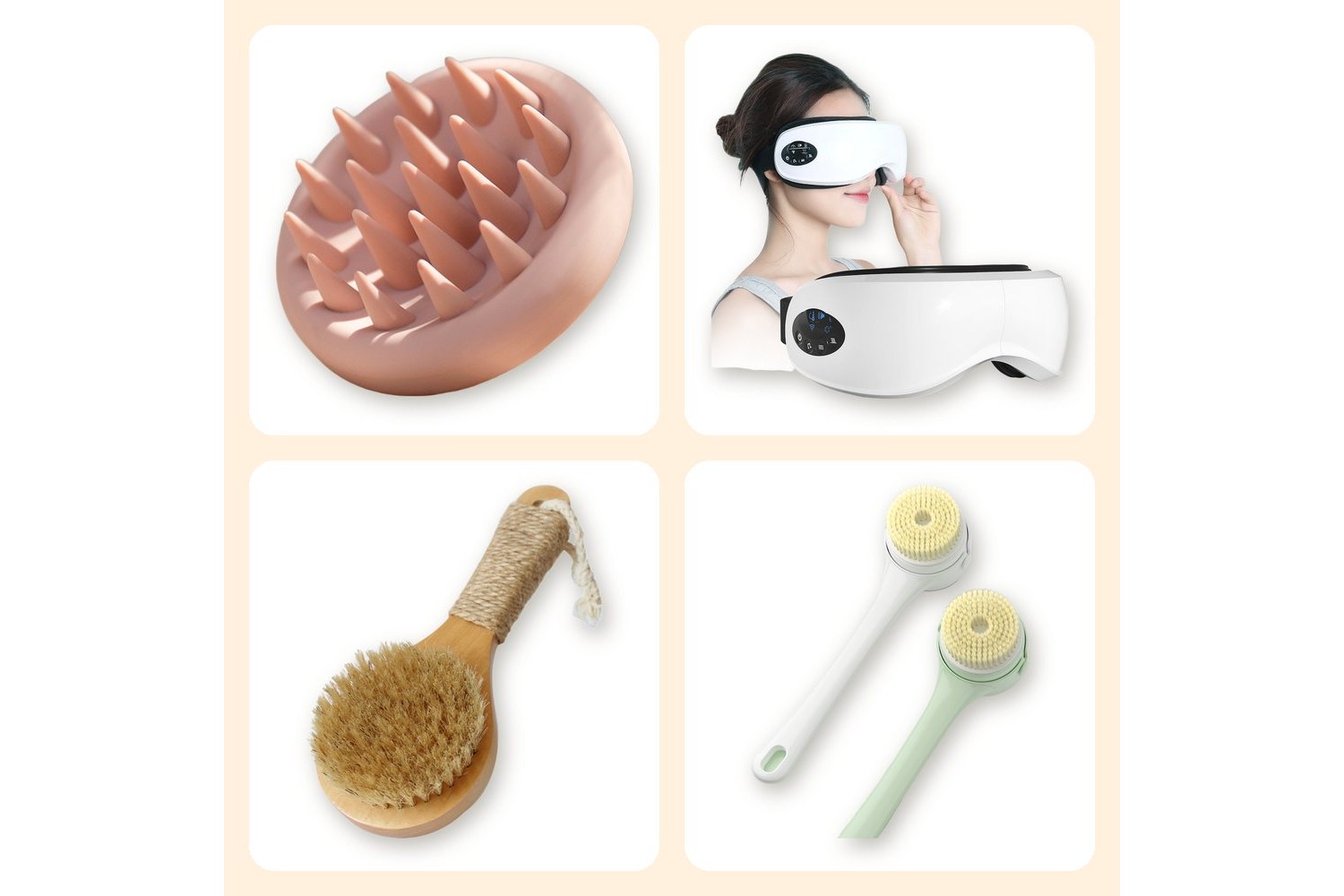
A massage and wellness shop sells habits rather than appliances: unwinding after work, loosening up, a spa evening at home. The launch rests on two decisions. The first is the boundary of the niche: these are products for comfort and self-care, not medical equipment. The second is a short range of a few groups, each of which can be shown in action.
In brief
- The niche rests on four groups: massagers, body and scalp brushes, aroma diffusers with humidifiers, and fitness gadgets.
- Products are positioned as relaxation and care items; no therapeutic promises are made – medical devices are regulated separately.
- Much of the range is electrical: CE, RoHS and battery documents are needed before the consignment is paid for.
- Demonstration sells: in store a switched-on sample, online a video and a clear description of the modes.
- The main season is winter holiday gifting; with delivery taking 20–60 days, that order is placed in early autumn.
Customer and format
Purchases in this niche have three motives. The first is personal: desk work, training, wanting to sleep better. The second is gifting: a massager or diffuser is given to parents, a partner or a colleague when the aim is something useful rather than another ornament. The third is business: spas and massage studios, yoga studios, gyms, hotels and offices buy for relaxation areas and as gifts for staff and clients.
Offline, the best format is a place where the appliance can be tried: a kiosk in a shopping centre, a section in a homeware or sports shop. A minute with a massager in the hands is more convincing than a specification table. An online shop and Amazon, eBay or Etsy call for different preparation: a short video, photos on a person, a list of modes, battery life, dimensions. Corporate buyers need an invoice, consistent consignments and the option of branding.
Starting range: core lines and trial lines
Massagers are the core of the range and the main gift item. To begin with, take one or two models per zone: eyes, neck and shoulders, scalp, universal handheld. Buy the dearer lines as a trial and inexpensive handheld ones in depth.

An eye massager with heat: a higher-value gift line that should be kept switched on in the display.
Body brushes and shower accessories are the low-cost way into the niche: they are bought without much thought and added to the main purchase. The range needs both simple wooden and electric models.

A rotating brush with a long handle and rechargeable battery: the price step up from an ordinary body brush.
Atmosphere at home. Aroma diffusers and humidifiers sell as part of an evening routine and as a gift for the home. Stock table-top models, compact ones for the car and one or two with unusual designs. Essential oils and fragrance blends are a separate product group with their own labelling rules; at the start, the appliances alone are enough.

A waterless rechargeable diffuser for desk and car: a compact product that suits online sales.
Activity. The Fitness section serves people who keep an eye on steps and sleep: bands, plus simple warm-up accessories.

A screenless fitness band that tracks steps and sleep: a gadget for those who do not need a smartwatch.
Which products in the niche are bought most often is shown in the round-up of top lines for wellness shops – a useful check for a first list.
What the starting budget consists of
Quoting amounts without knowing the format is pointless, but the stock cost lines are clear in advance:
- the core – massagers of several types, a small quantity of each model;
- inexpensive fast-moving lines: brushes, handheld massagers, accessories;
- diffusers, humidifiers and gadgets in trial quantities;
- demonstration samples: what will run in the display and be photographed for listings;
- delivery, calculated for the specific consignment;
- gift packaging and a reserve for reordering before the holidays.
Rent, formalities, the till and advertising form a separate block. For stock, the main rule is not to tie up money in expensive appliances until it is clear which zones and price levels your customers choose.
Supplier and first order
Companies and sole traders from EU countries buy through EnjoyCommerce. The entry threshold is an order from EUR 500 net per item, so the first order can cover all four groups, with each item taken from that amount.
- Open the guide for buyers to understand the process and complete registration as a wholesale buyer: net prices by volume tier are shown afterwards.
- Mark models and quantities and state separately which appliances need documents. The enquiry goes to the manager, who replies with a quotation including delivery.
- The agreed order is confirmed by a pro forma invoice; the payment method is bank transfer in EUR or PLN.
- The consignment is picked or manufactured and goes through a quality inspection before dispatch.
- You receive a tracking number and documents. The guide time is 20–60 days; details are on the page about delivery.
The seller on the invoice is a Polish company registered for EU VAT. If your business has a valid EU VAT number, the supply can be treated as intra-Community (reverse charge); discuss the accounting details with your accountant.
Documents and product requirements
How to register a business and which taxes to pay is set by the law of your country – settle these with an accountant or the local authority. The requirements for the products themselves are uniform across the EU. Electric massagers, diffusers, humidifiers and bands must bear the CE mark and comply with RoHS; products with rechargeable batteries fall under EU battery rules. Under the General Product Safety Regulation (GPSR), the goods or packaging state the manufacturer and the responsible person in the EU. Ask the manager for declarations and test reports before payment.
Wording is a separate point. The massagers in this range are consumer products for relaxation, not medical devices. Phrases such as ‘treats’, ‘relieves pain’ or ‘restores’ are not acceptable in listings or on price tags: a medical purpose means a different legal regime and different documents. Write what the product literally does: kneads, warms, vibrates, runs for a given number of minutes. Translate the contraindications and warnings from the manufacturer’s instructions into the buyer’s language.
Seasonality and buying calendar
Before the winter holidays the niche sells gifts, and this is the strongest part of the year. Seasonal goods are ordered 2–3 months ahead: the consignment should be placed in early autumn to reach the shelves in time. Straight after the holidays comes a second wave, the time of new habits: interest shifts towards fitness gadgets and post-workout recovery items.
During the heating season humidifiers and diffusers sell better; they are ordered towards the end of summer. In spring and early summer demand is supported by Mother’s Day and Father’s Day gifts and by compact appliances taken on trips. Brushes and handheld massagers have almost no season – they are topped up according to stock.
Common mistakes at the start
- Promising a therapeutic effect in advertising and listings and receiving complaints from the platform or the authorities.
- Putting most of the budget into a few expensive models without testing demand.
- Selling appliances without demonstration: a closed box sells poorly in this niche.
- Not checking documents and local-language instructions before payment.
- Forgetting about returns: without testing and exchange terms set out in advance, appliances lead to disputes with buyers.
Frequently asked questions
Is a licence needed to sell massagers?
For consumer appliances not declared as medical devices, no special permit is usually required, but retail rules depend on the country – confirm them with the local authority. Medical devices are a different category with their own requirements and are outside the scope of this article.
What is the supplier’s minimum order?
EUR 500 net per item. The consignment can combine several items: expensive appliances are bought in small numbers and small items by the pack, each item from that amount.
How can massagers be sold online without a demonstration?
By replacing it with content: a video of the product working, photos in use, an honest list of modes and dimensions, answers to common questions in the listing. The more precise the description, the fewer the returns.
Can products be sold to spas and gyms?
Yes, it is a channel of its own. Such clients are offered items for relaxation areas and for resale to visitors, as well as lines carrying the venue’s logo.
Set the boundaries of the niche, choose the format and put together the first range in the section of products for massage and wellness shops. If you want the best-selling lines to carry your own name, read the article on building your own wellness products brand.
