
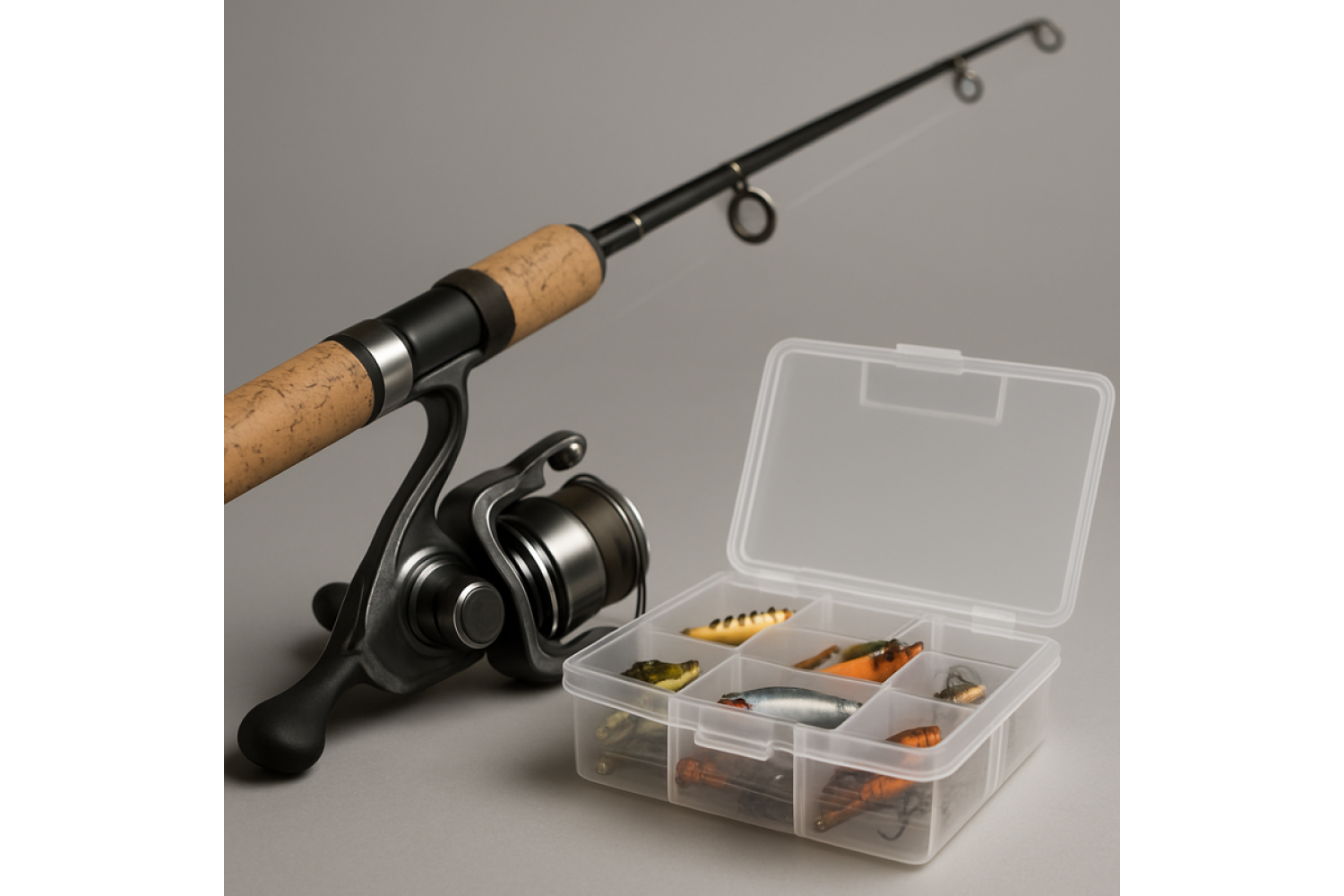
The audience of a fishing shop is one of the most loyal in retail: keen anglers come back for consumables regularly, are willing to try new items and rarely switch to a competitor over a small price difference if they trust the quality of the range. At the same time the category is considerably wider than rods and tackle alone — a significant share of turnover comes from small consumables and accessories bought on every visit. Below is an extended list of items for wholesale buying, plus sections on seasonality and the usual mistakes in building a range.
Core and companion range
Spinning and float rods
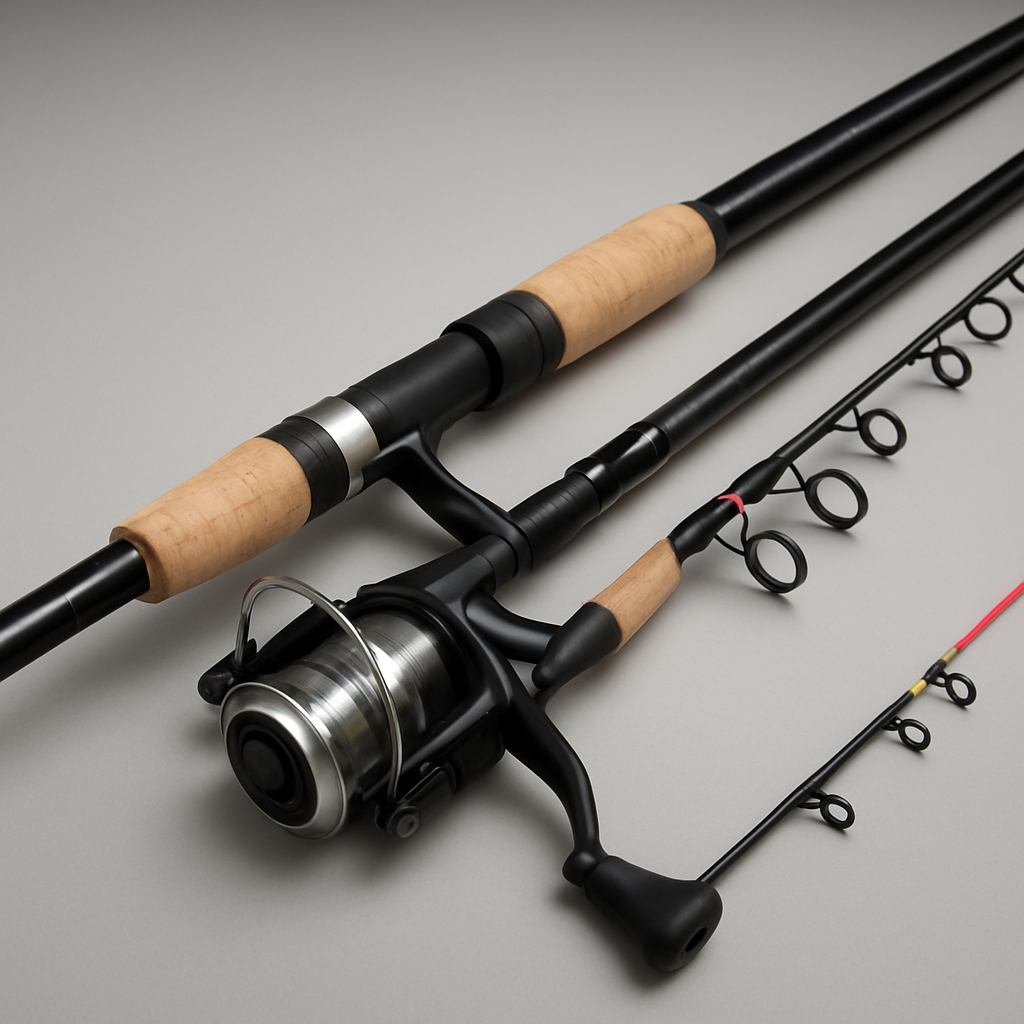
The base category around which the rest of the shop's range is built — it is important to cover a spread of lengths, test curves and price segments, because the requirements of a beginner and an experienced angler differ greatly. "Rod plus reel" combos simplify the choice for beginners and raise the average order value.
Spinning reels
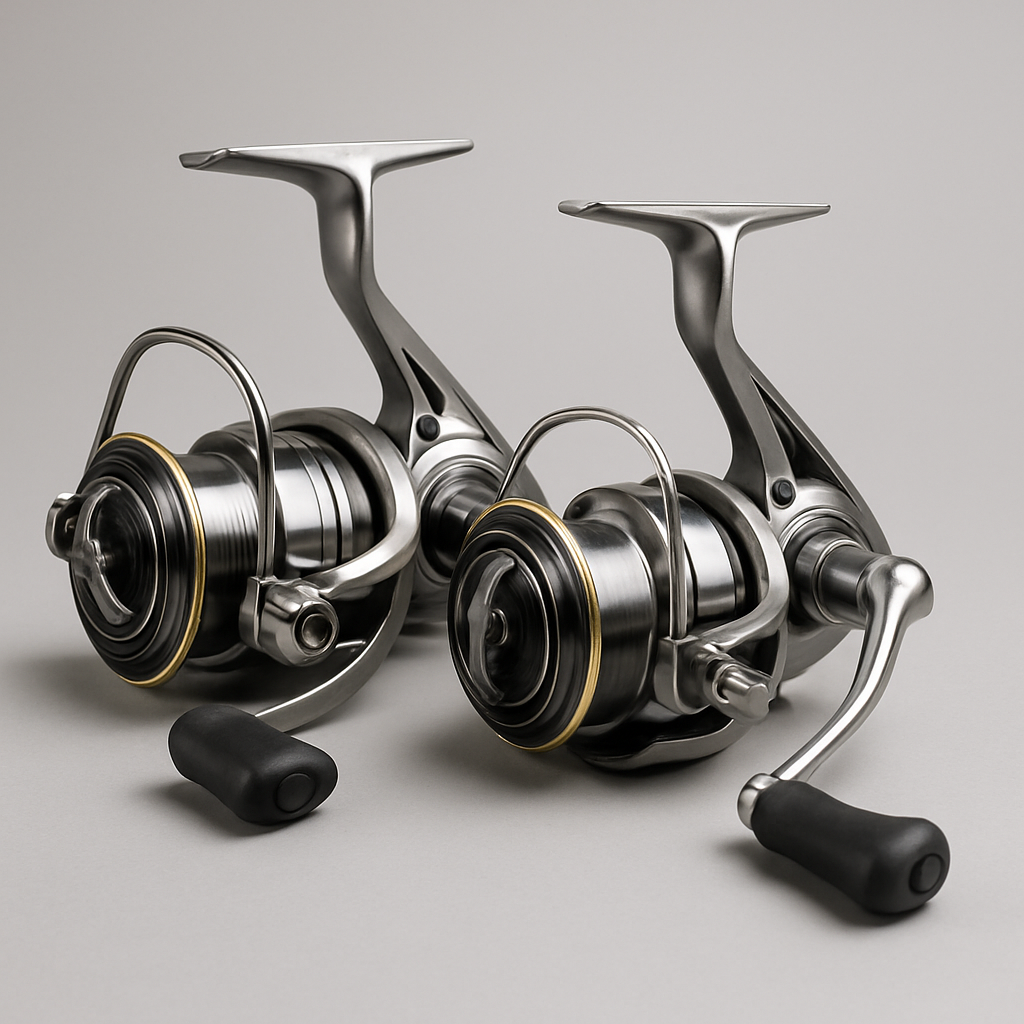
One of the most frequently replaced parts of the tackle — reels wear out or break more often than rods, which guarantees regular repeat demand. The difference in class (budget, mid-range, professional) should be presented clearly so the customer can choose without lengthy advice.
Line and braid
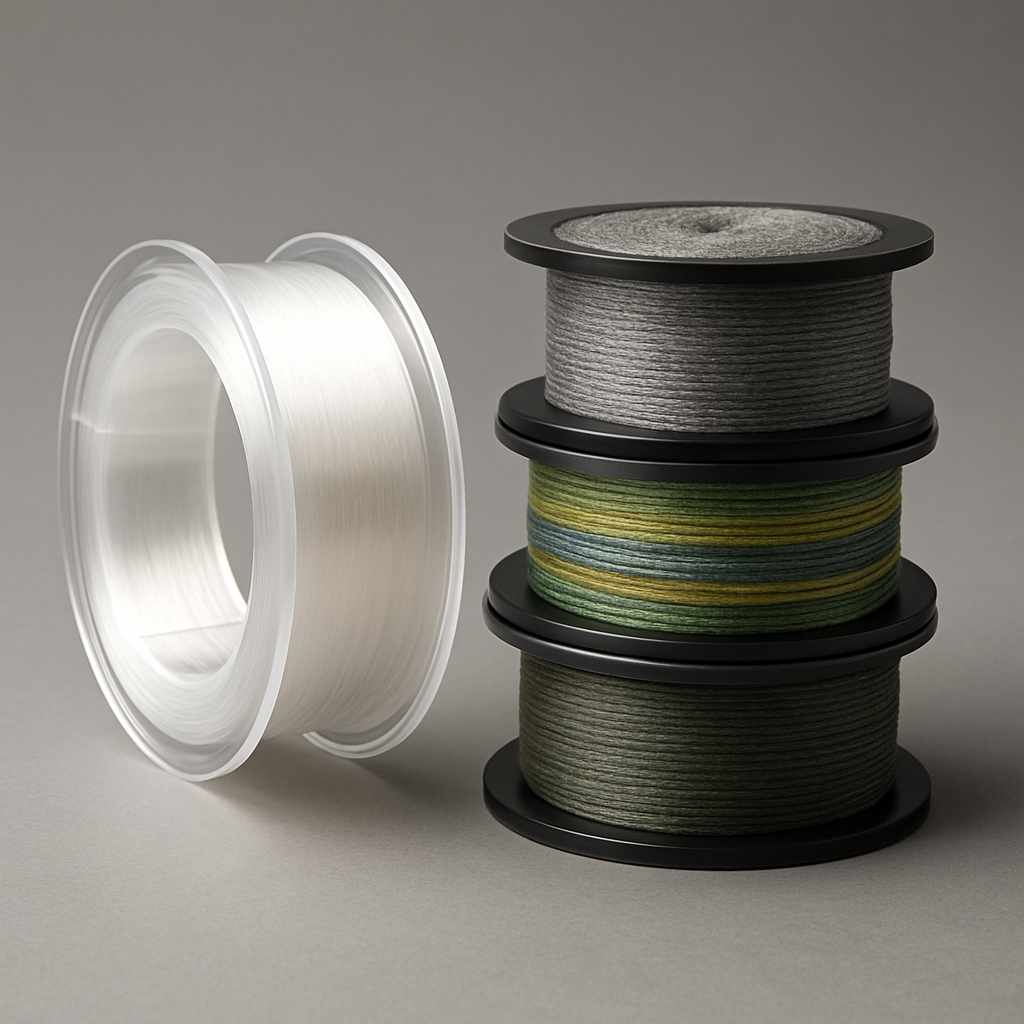
A consumable with an almost guaranteed regular purchase — line is replaced after every serious snag or break. Different diameters and types (monofilament, fluorocarbon, braid) should be in stock at the same time, since the choice depends on the style of fishing and the target species.
Hooks, weights and terminal tackle
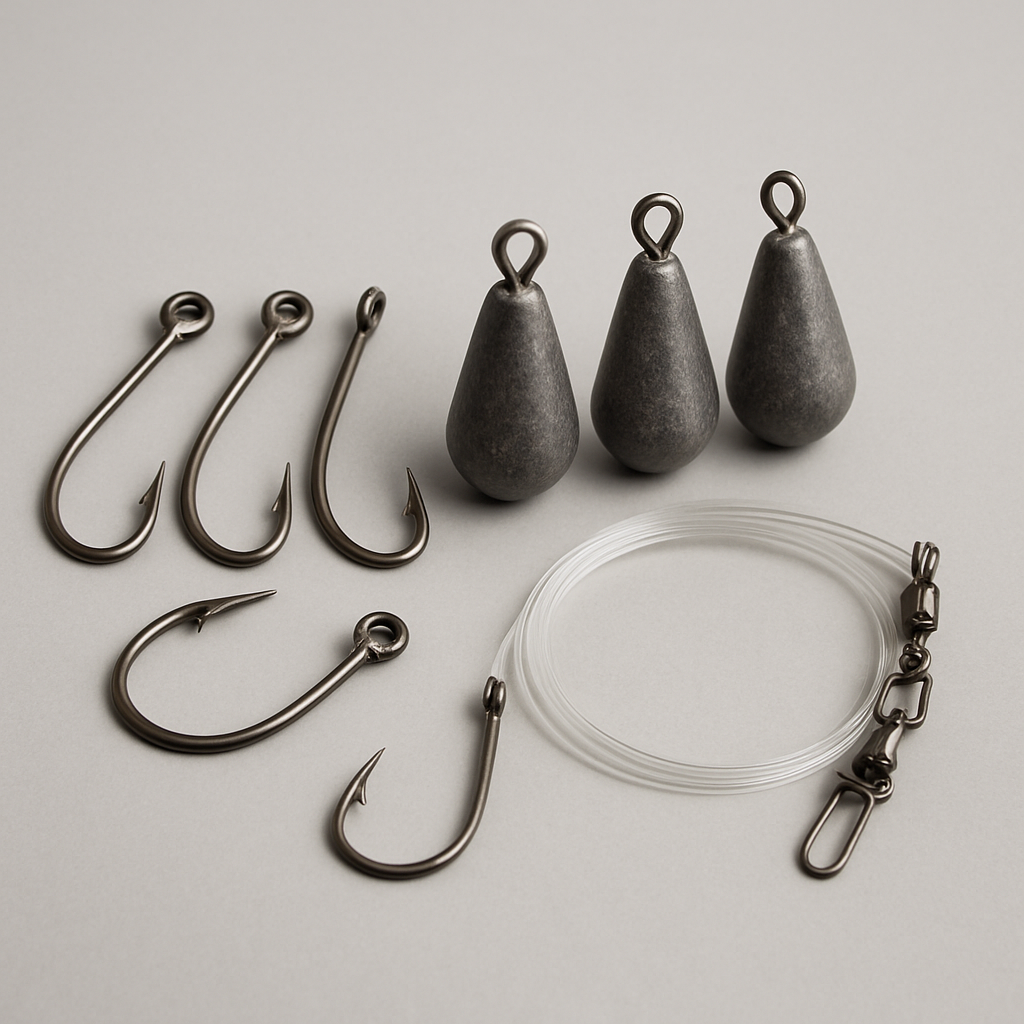
Small terminal tackle — hooks in various sizes, weights, swivels, clips — accounts for a large share of shop visits precisely because these items are constantly lost and used up while fishing. Ready-made rig sets for beginners simplify the choice and sell well as a starter kit.
Artificial lures (crankbaits, soft plastics, spoons)
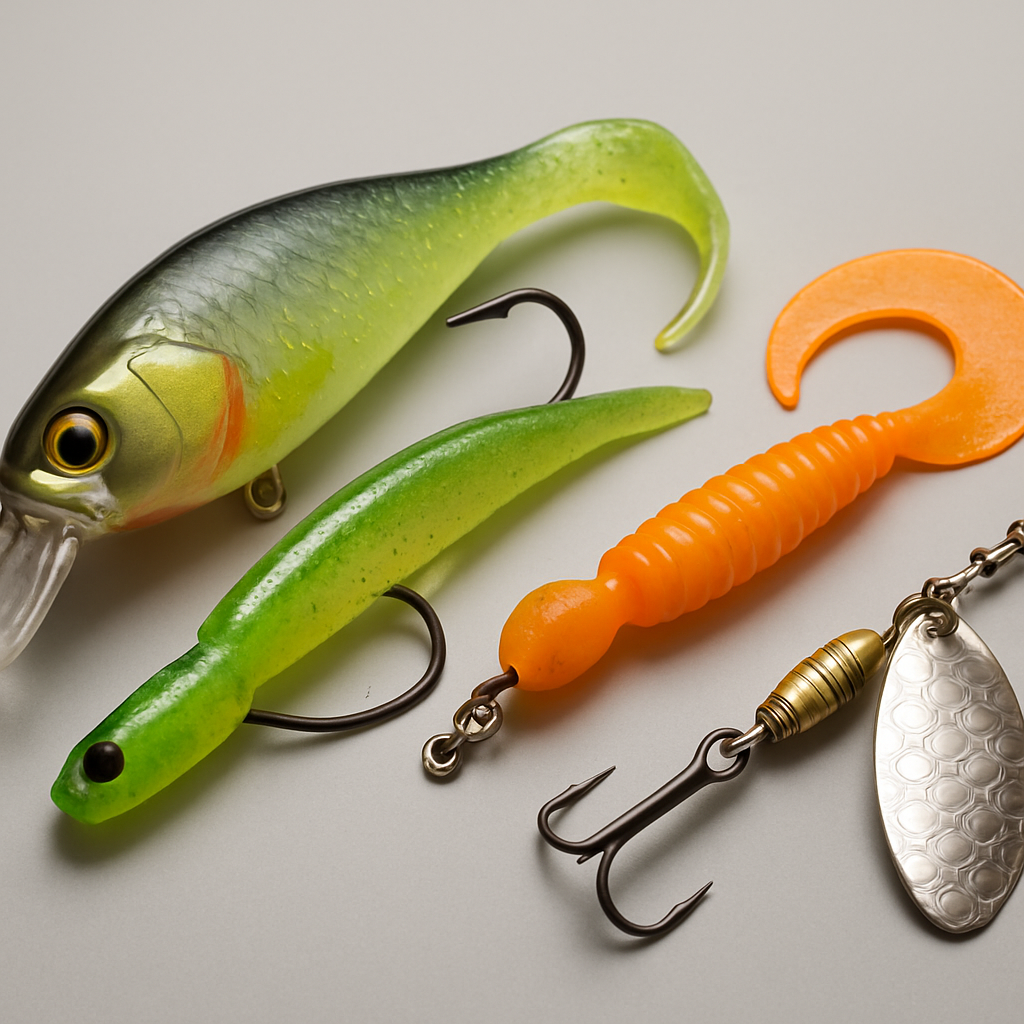
One of the widest categories by number of items — anglers often collect lures for different conditions, which makes artificial lures a practically inexhaustible source of repeat purchases. Seasonal rotation of colours and lure types for a particular time of year keeps regular customers interested.
Groundbait and baits
A consumable bought almost without fail before every trip. Different formulations for specific species and waters (river, lake, commercial fishery) let you serve a wider audience.
Keepnets, landing nets and stringers
Supporting equipment for landing and holding the catch — items bought less often but steadily, usually once a season or once every few years. Folding models with compact storage are easy to transport and go down well with customers with a small car boot.
Tackle boxes and bags
Organising gear is a separate need that arises as an angler's collection of lures and rigs grows. Modular systems with separate boxes for small lures carry a higher markup than plain boxes thanks to their convenience.
Ice fishing shelters and winter gear
A seasonal but high-ticket category for regions with cold winters — ice fishing shelters, augers and insulated boxes create a separate demand spike in the cold months. This category needs precise timing on delivery, because the active selling window is limited to the season.
Fish finders and navigation equipment
A more technical and expensive category for experienced anglers ready to invest in equipment that improves their results. Compact portable models have a lower entry price and suit a wider audience than fixed systems for boats.
Fishing clothing and footwear
Waders, waterproof footwear and specialised clothing cover the need for comfort during long hours by the water in any weather. This category logically extends the shop's range beyond pure tackle and raises the average order value of regular customers.
Knives and tools for preparing the catch
Specialised knives for cleaning and filleting fish are a small but steady category among anglers who regularly keep their catch. Sets with several blade types are seen as a more functional solution.
Seasonality and regional differences
The opening of the season in spring creates a sharp jump in demand for rods, line and lures, while the summer months sustain even turnover through consumables. In regions with a long winter, preparation for ice fishing becomes a separate peak — augers, shelters and thermal clothing need to arrive in advance, before the cold sets in, not after the first frosts. Regional specifics matter too: the range of lures and rigs for sea fishing differs noticeably from freshwater, and a shop should follow whichever type of water dominates for its core audience.
Common mistakes when building a range
One frequent mistake is underestimating small terminal tackle (hooks, weights, swivels) while focusing on the more visible and expensive rods and reels, even though it is the small tackle that drives the highest visit frequency. The second mistake is buying lures without allowing for seasonal rotation, which leaves part of the range sitting outside the active demand period for that bait type. The third is ignoring the price spread within a category: without budget options a shop loses beginners, and without pricier professional models it loses the experienced regulars with a higher spend.
Combining large, infrequently bought items with constantly consumed small tackle gives a shop steady, regular turnover throughout the active fishing season.
